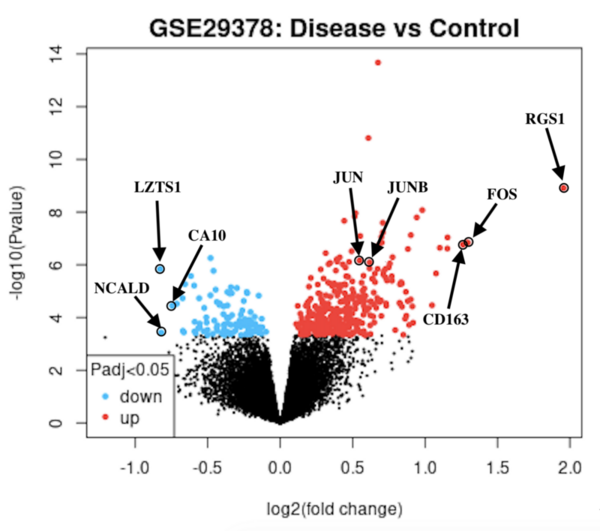
The authors studied hippocampal gene expression in Alzheimer's disease.
Read More...Upregulation of the AP-1 complex as a potential biomarker for Alzheimer’s disease (AD)
The influence of economic factors on United States household energy consumption in 2020
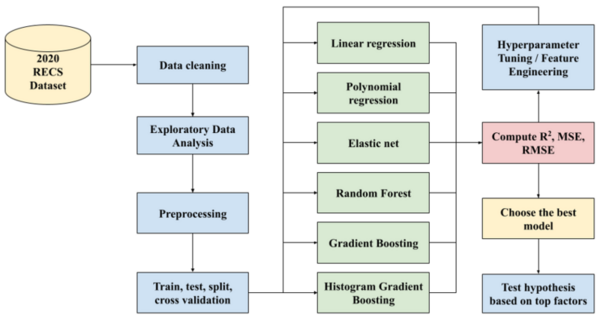
This study used machine learning models to examine which factors most influenced U.S. household energy consumption in 2020 using data from 18,496 households.
Read More...Mapping equity in California K-12 school solar adoption using computer vision
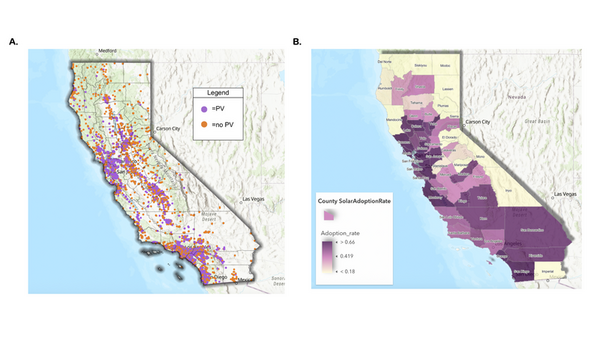
The authors investigated adoption rates of solar photovoltaic power at K-12 schools in California.
Read More...The effect of natural phenolic compounds on reducing oxidative stress
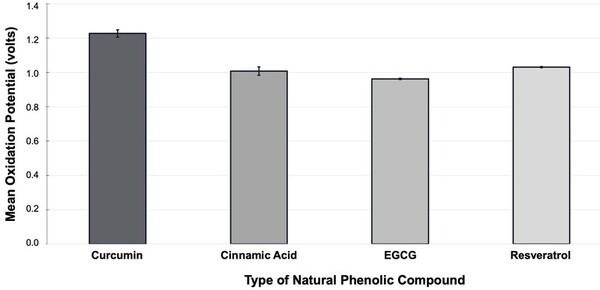
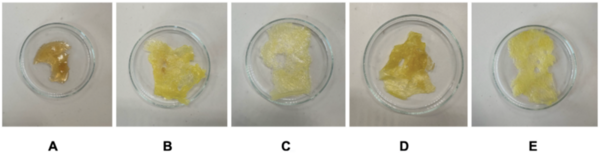
The authors looked at the potential of different phenolic compounds to reduce oxidative stress (i.e., act as antioxidants).
Read More...A five-year retrospective analysis of Tuberculosis risk factors and their variability in the United States
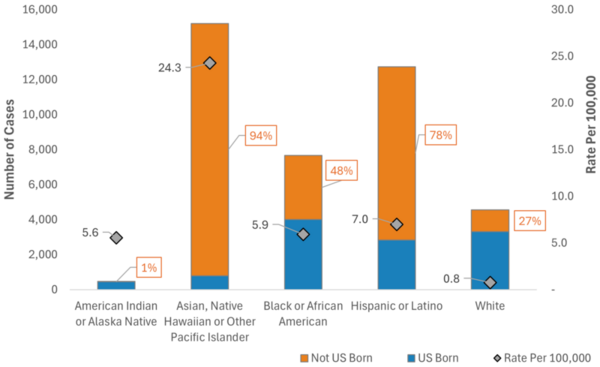
The main goal of this study is to determine what demographics are related to tuberculosis incidence in the United States populations, particularly if changing demographics are related to differences in tuberculosis risk over two discrete time periods. The major finding is that in the two studied time periods, tuberculosis risk factors were somewhat consistent and may be influenced by things such as immigration, healthcare access, and race or ethnicity, although the top predictor did change.
Read More...Bacteriophage TLS sensitizes Escherichia coli to antibiotics
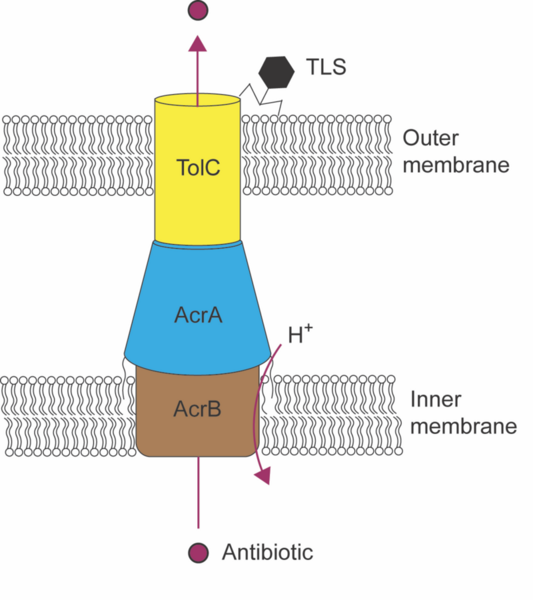
Antibiotic resistance is a growing global health threat, and one strategy to combat it is using bacteriophages to enhance the effectiveness of existing antibiotics. This study tested whether targeting the TolC protein in E. coli with the TLS bacteriophage would increase bacterial sensitivity to antibiotics.
Read More...Locating carcinogenic per- and poly-fluoroalkyl substances in Santa Clarita groundwater
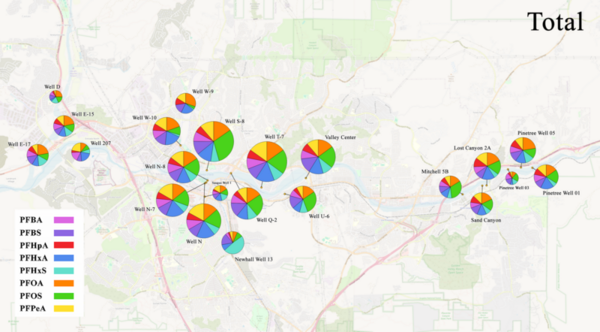
This study investigates PFAS contamination in Santa Clarita groundwater, focusing on potential sources. The study employs statistical analysis to assess data quality and trends which allowed them to identified domestic waste, fire extinguisher materials, and food packaging as the most likely sources of contamination.
Read More...Analysis of antibiotic resistance genes in publicly accessible Staphylococcus aureus genomes
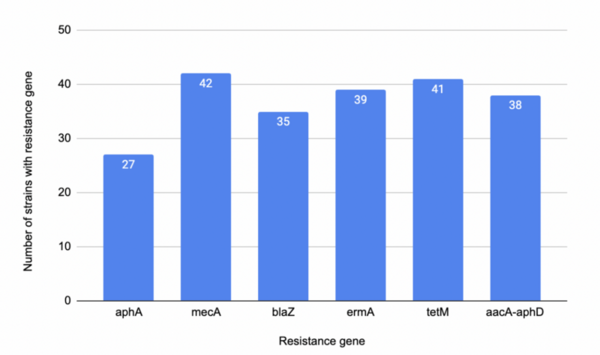
The authors looked at how the presence of difference antibiotic resistance genes would influence antibiotic resistance in Staphylococcus aureus.
Read More...A systematic study of cut-resistant socks for hockey players
A comparison of starches and plasticizers for biopolymer synthesis and degradation