Browse Articles

Zinc-related Treatments Combined with Chloroquine and Gemcitabine for Treating Pancreatic Cancer

Ma et al. | Sep 11, 2021

Zinc-related Treatments Combined with Chloroquine and Gemcitabine for Treating Pancreatic Cancer

Pancreatic cancer is one of the deadliest cancers, with a 10% 5-year survival rate. The authors studied various dosages of TPEN and zinc in combination with Chloroquine and Gemcitabine as treatments to reduce cell proliferation. Results showed that when combined with Chloroquine and Gemcitabine, zinc and TPEN both significantly lowered cell proliferation compared to Gemcitabine, suggesting a synergistic effect that resulted in a more cytotoxic treatment. Further research and clinical trials on this topic are needed to determine whether this could be a viable treatment for pancreatic cancer.

Read More...

Aggression of Carcharhinus leucas and Carcharhinus amblyrhynchos towards humans

Mignone et al. | May 11, 2021

Aggression of <i>Carcharhinus leucas</i> and <i>Carcharhinus amblyrhynchos</i> towards humans

This paper presents findings on Carcharhinus leucas (bull shark) and Carcharhinus amblyrhynchos (grey reef shark) aggression towards humans at Beqa Adventure Divers in Shark Reef Marine Reserve, Fiji. We hypothesized that grey reef sharks would receive more prods than bull sharks because grey reef sharks are typically more aggressive than bull sharks. The results supported our hypothesis, as an individual grey reef shark received 2.44 prods on average per feed, while a bull shark had an average of 0.61. These findings are meaningful not only to the world’s general understanding of shark aggression, but also to human protection against grey reef sharks as well as public education on bull sharks and the conservation of the species.

Read More...

The effects of different modes of vocalization and food consumption on the level of droplet transmission of bacteria

Wong et al. | May 10, 2021

The effects of different modes of vocalization and food consumption on the level of droplet transmission of bacteria

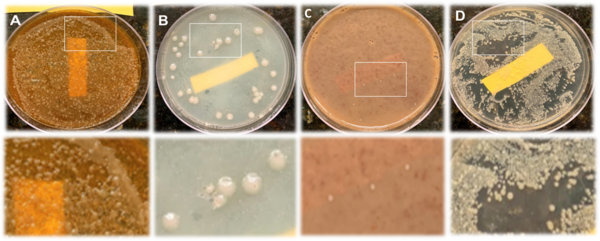
Microbial agents reposnsible for respiratory infections are often carried in spittle, which means they can be easily transmitted. Here, the authors investigate how likely certain activities are to spread microbes carried in spittle. They also investigate whether eating certain types of food might reduce the spread of spittle-borne bacteria too.

Read More...

Comparative screening of dose-dependent and strain-specific antimicrobial efficacy of berberine against a representative library of broad-spectrum antibiotics

Sun et al. | May 10, 2021

Comparative screening of dose-dependent and strain-specific antimicrobial efficacy of berberine against a representative library of broad-spectrum antibiotics

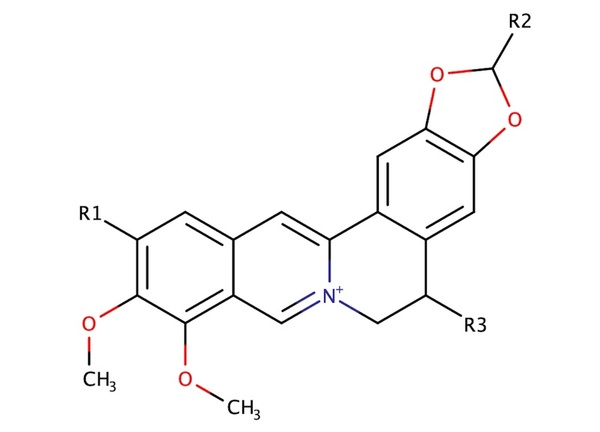
We hypothesize that berberine has broad-spectrum antibacterial properties, along with potency that is comparable to current broad-spectrum antibiotics that are commercially available. Here, we screened berberine against four strains of bacteria and evaluated its antimicrobial activity against five broad-spectrum antibiotics from different classes to better quantify berberine’s antibacterial activity and compare its efficacy as an antibacterial agent to the broad-spectrum antibiotics. Our results indicated that berberine had strain-selective cytotoxic effects and was significantly less potent than most of the broad-spectrum antibiotics

Read More...

The analysis of the viral transmission and structural interactions between the HIV-1 envelope glycoprotein and the lymphocyte receptor integrin α4β7

Ganesh et al. | Apr 28, 2021

The analysis of the viral transmission and structural interactions between the HIV-1 envelope glycoprotein and the lymphocyte receptor integrin α4β7

The Human Immunodeficiency Virus (HIV) infects approximately 40 million people globally, and one million people die every year from Acquired Immune Deficiency Syndrome (AIDS)-related illnesses. This study examined the interactions between the HIV-1 envelope glycoprotein gp120 and the human lymphocyte receptor integrin α4β7, the putative first long-range receptor for the envelope glycoprotein of the virus in mucosal tissues. Presented data support the claim that the V1 loop is involved in the binding between α4β7 and the HIV-1 envelope glycoprotein through molecular dockings.

Read More...