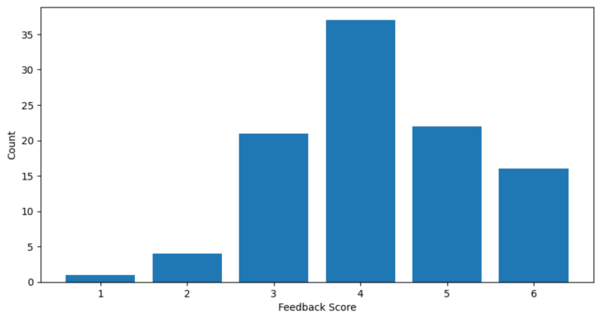
Authors examine the effectiveness of Large Language Models (LLMs) like BERT, MathBERT, and OpenAI GPT-3.5 in assisting middle school students with math word problems, particularly following the decline in math performance post-COVID-19.
Read More...Assessing large language models for math tutoring effectiveness
Authors examine the effectiveness of Large Language Models (LLMs) like BERT, MathBERT, and OpenAI GPT-3.5 in assisting middle school students with math word problems, particularly following the decline in math performance post-COVID-19.
Read More...Environmentally-friendly graphene conductive ink using graphene powder, polystyrene, and waste oil
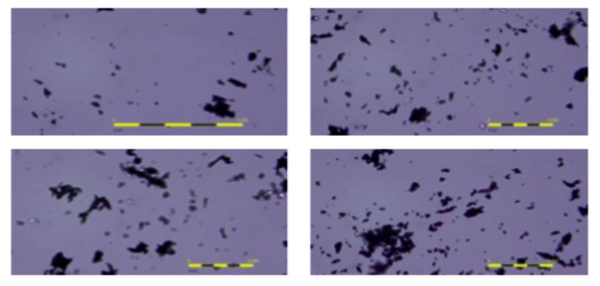
In this article, the authors propose an effective, environmentally-friendly method of producing conductive ink using expired waste oil, polystyrene, and graphene.
Read More...Mitigating skin color bias in dermatology AI using CycleGAN-based data augmentation
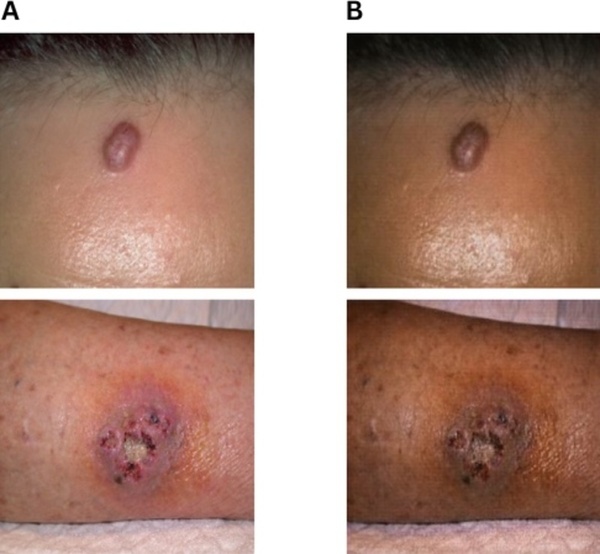
This study investigates skin tone bias in artificial intelligence models used for dermatological disease classification and evaluates a CycleGAN-based data augmentation approach to improve diagnostic performance on darker skin types. We generated synthetic dark-skinned images to enhance dataset diversity and compared model performance before and after augmentation. The results demonstrate that augmentation with synthetic dermatological images can help reduce disparities in diagnostic performance across skin tones, highlighting a practical strategy for improving fairness in dermatology AI systems.
Read More...AI-designed mini-protein targeting claudin-5 to enhance blood–brain barrier integrity
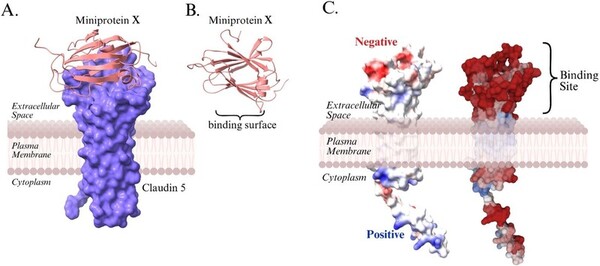
The authors employ computational protein design to identify a mini-protein with the potential to enhance binding of the tight junction protein, claudin-5, at the blood-blood barrier with therapeutic potential for neurodegenerative diseases.
Read More...Lung cancer AI-based diagnosis through multi-modal integration of clinical and imaging data
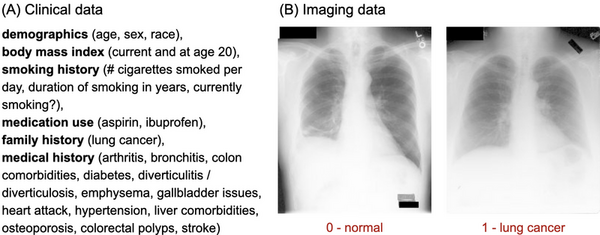
Lung cancer is highly fatal, largely due to late diagnoses, but early detection can greatly improve survival. This study developed three models to enhance early diagnosis: an MLP for clinical data, a CNN for imaging data, and a hybrid model combining both.
Read More...Unveiling bias in ChatGPT-3.5: Analyzing constitutional AI principles for politically biased responses
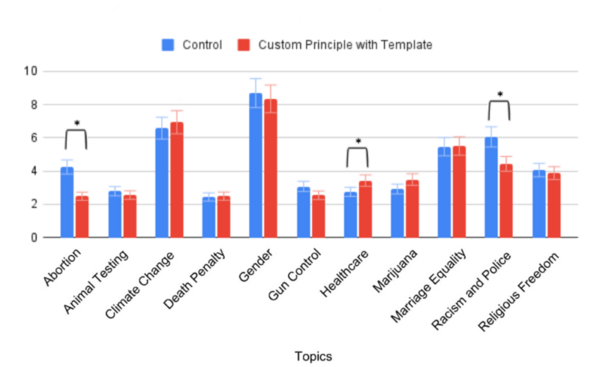
Various methods exist to mitigate bias in AI models, including "Constitutional AI," a technique which guides the AI to behave according to a list of rules and principles. Lo, Poosarla, Singhal, Li, Fu, and Mui investigate whether constitutional AI can reduce bias in AI outputs on political topics.
Read More...Evaluating the effectiveness of machine learning models for detecting AI-generated art
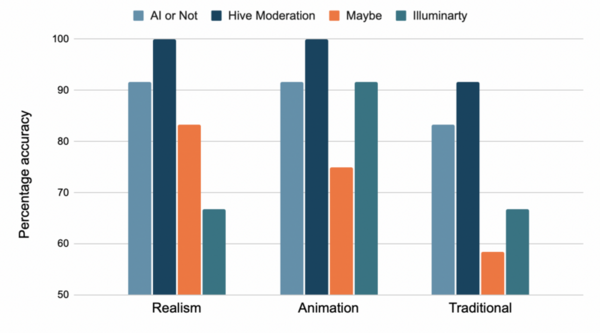
The authors investigate how well AI-detection machine learning models can detect real versus AI-generated art across different art styles.
Read More...Algorithmic barriers: Investigating student perceptions of AI bias in subjective “culture fit” hiring

This study investigated perceptions of the emerging workforce toward the use of artificial intelligence in hiring, specifically for assessing subjective "culture fit." Through a mixed-methods survey of 150 high school and early-college students in Nepal, we found a significant disconnect between organizational adoption of AI and the profound skepticism of young job candidates, who express deep concerns about fairness, transparency, and the potential for AI to perpetuate systemic discrimination.
Read More...Evaluating the performance of Q-learning-based AI in auctions
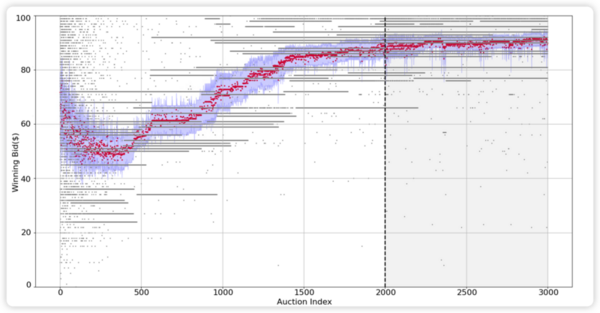
Advertising platforms like Google Ads use AI to drive the algorithms used to maximize advertisers benefits. This study shows that AI does not adjust it strategy based on auction type and highlights the limitations of AI running without explicit guidance.
Read More...Environmental contributors of asthma via explainable AI: Green spaces, climate, traffic & air quality
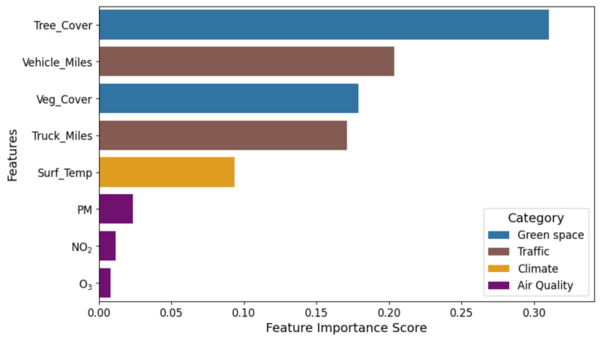
This study explored how green spaces, climate, traffic, and air quality (GCTA) collectively influence asthma-related emergency department visits in the U.S using machine learning models and explainable AI.
Read More...