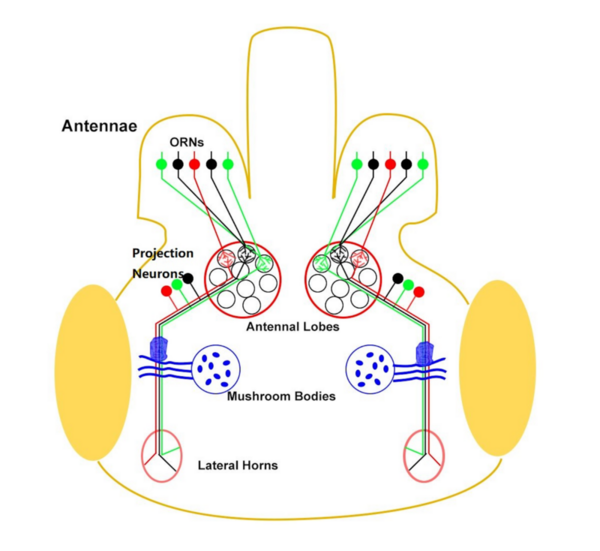
In this study, the authors investigate whether phototaxis and odortaxis in Drosophila melanogaster occurs through linear summation of cues including light and attractive odorants.
Read More...Linear and non-linear summation of responses to visual and olfactory cues in male Drosophila melanogaster
In this study, the authors investigate whether phototaxis and odortaxis in Drosophila melanogaster occurs through linear summation of cues including light and attractive odorants.
Read More...The effects of stress on the bacterial community associated with the sea anemone Diadumene lineata
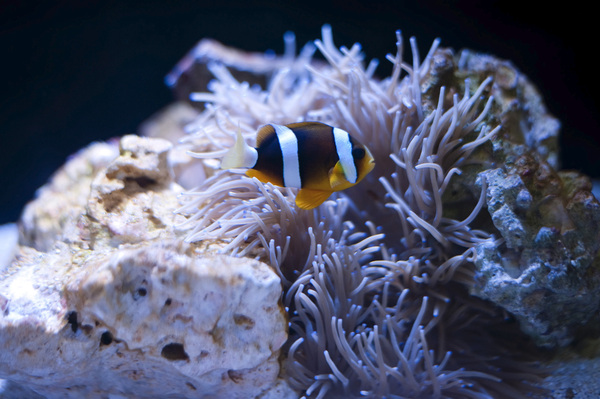
In healthy ecosystems, organisms interact in a relationship that helps maintain one another's existence. Stress can disrupt this interaction, compromising the survival of some of the members of such relationships. Here, the authors investigate the effect of stress on the interaction between anemones and their microbiome. Their study suggests that stress changes the composition of the surface microbiome of the anemone D. lineata, which is accompanied by an increase in mucus secretion. Future research into the composition of this stress-induced mucus might reveal useful antimicrobial properties.
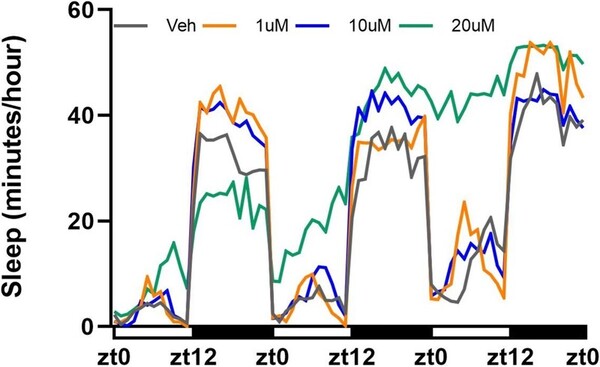
Read More...Dantrolene-induced ER stress alters sleep in Drosophila melanogaster
Interaction of light with water under clear and algal bloom conditions
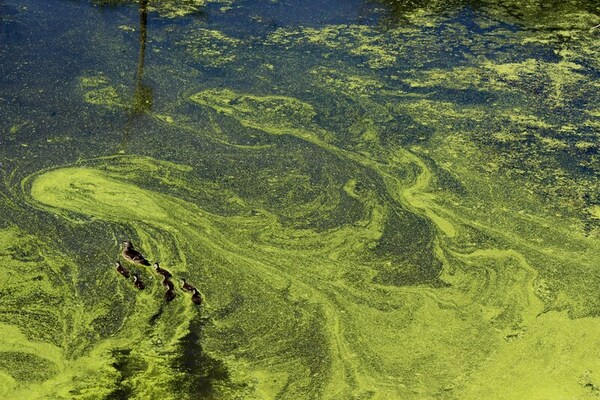
Here, recognizing the potential harmful effects of algal blooms, the authors used satellite images to detect algal blooms in water bodies in Wyoming based on their reflectance of near infrared light. They found that remote monitoring in this way may provide a useful tool in providing early warning and advisories to people who may live in close proximity.
Read More...From trash to treasure: A sustainable approach to oil spill clean-up
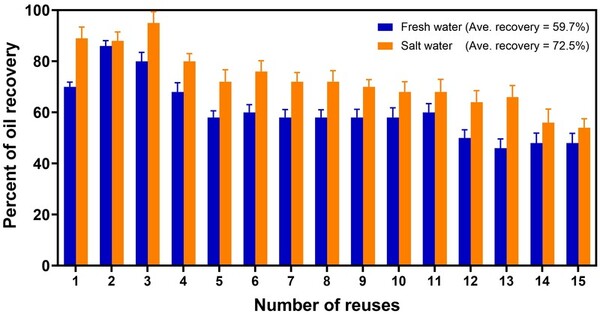
In this study the authors looked at sustainable ways to clean up oil spills that harm marine life. Using water spangle leaves and milk week the authors looked at the ability to recovery oil from both fresh and salt water and the ability to reuse the organic material to clean up spills. Their results show promise to help find a sustainable, eco-friendly way to clean up oil spills and protect marine life and habitats.
Read More...Cleaning up the world’s oceans with underwater laser imaging
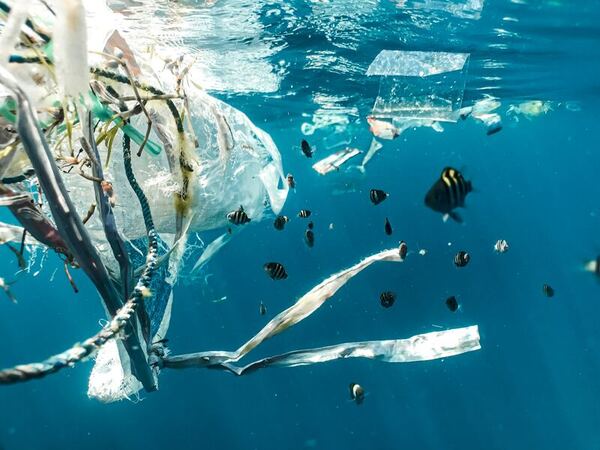
Here recognizing the growing amount of plastic waste in the oceans, the authors sought to develop and test laser imaging for the identification of waste in water. They found that while possible, limitations such as increasing depth and water turbidity result in increasing blurriness in laser images. While their image processing methods were somewhat insufficient they identified recent methods to use deep learning-based techniques as a potential avenue to viability for this method.
Read More...How does light affect the distribution of Euglena sp. and Tetrahymena pyriformis
In this article, the authors explored the locomotory movement of Euglena sp. and Tetrahymena pyriformis in response to light. Such research bears relevance to the migration and distribution patterns of both T. pyriformis and Euglena as they differ in their method of finding sustenance in their native environments. With little previous research done on the exploration of a potential response to photostimulation enacted by T. pyriformis, the authors found that T. pyriformis do not bias in distribution towards areas of light - unlike Euglena, which displayed an increased prevalence in areas of light.
Read More...Two Wrongs Could Make a Right: Food Waste Compost Accelerated Polystyrene Consumption of Tenebrio molitor
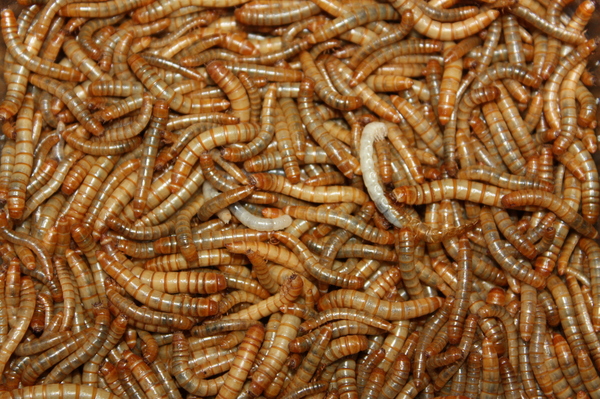
Expanded polystyrene (EPS) is a plastic used to make food containers and packing materials that poses a threat to the environment. Mealworms can degrade EPS, but at a slow rate. Here, researchers assessed the impact of food waste compost and oats on the speed of EPS consumption by mealworms, superworms, and waxworms. A positive correlation was found between food waste compost supplementation and EPS consumption, especially by mealworms, indicating a potential industrial application.
Read More...Examining the Accuracy of DNA Parentage Tests Using Computer Simulations and Known Pedigrees

How accurate are DNA parentage tests? In this study, the authors hypothesized that current parentage tests are reliable if the analysis involves only one or a few families of yellow perch fish Perca flavescens. Their results suggest that DNA parentage tests are reliable as long as the right methods are used, since these tests involve only one family in most cases, and that the results from parentage analyses of large populations can only be used as a reference.
Read More...Increased survival of aquatic life through algal pretreatment of nitrate-contaminated runoff
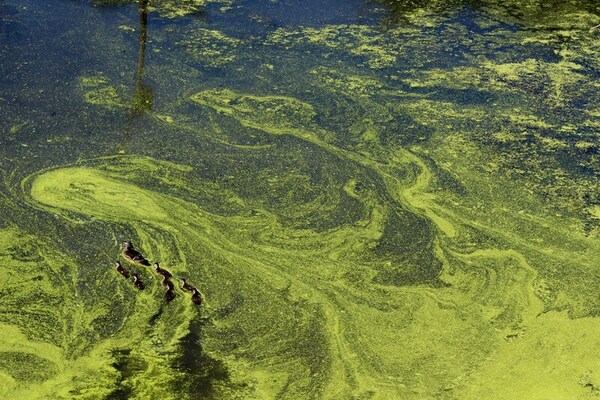
Here the authors investigated the effectiveness of algal pretreatment in reducing nitrate toxicity and extending the survival of fish in contaminated river water. Their findings demonstrate that treating nitrate-polluted water with algae extended fish survival by up to 50%, suggesting that algae could serve as a valuable tool for mitigating the destructive impacts of agricultural and industrial runoff on aquatic ecosystems.
Read More...