Browse Articles

Mutation of the Catalytic Cysteine in Anopheles gambiae Transglutaminase 3 (AgTG3) Abolishes Plugin Crosslinking Activity without Disrupting Protein Folding Properties

Pham et al. | May 02, 2014

Mutation of the Catalytic Cysteine in <em>Anopheles gambiae</em> Transglutaminase 3 (AgTG3) Abolishes Plugin Crosslinking Activity without Disrupting Protein Folding Properties

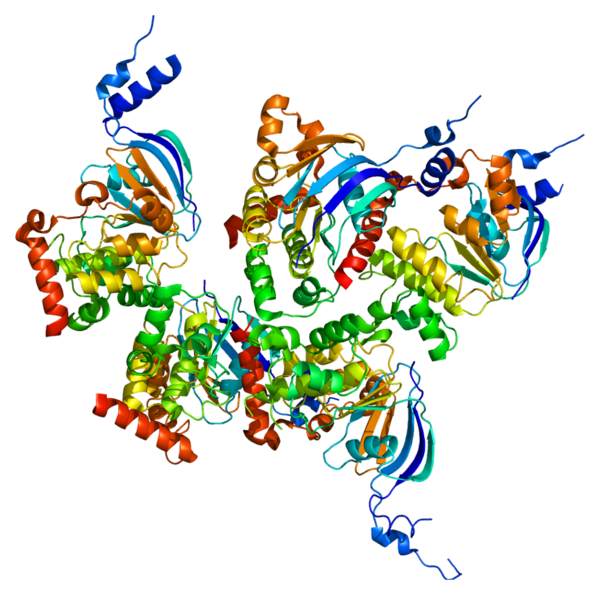
Malaria is a major public health issue, especially in developing countries, and vector control is a major facet of malaria eradication efforts. Recently, sterile insect technique (SIT), or the release of sterile mosquitoes into the wild, has shown significant promise as a method of keeping vector populations under control. In this study, the authors investigate the Anopheles gambiae transglutaminase 3 protein (AgT3), which is essential to the mating of the Anopheles mosquito. They show that an active site mutation is able to abolish the activity of the AgT3 enzyme and propose it as a potential target for chemosterilant inhibitors.

Read More...

The Effect of UV Treatment on the Degradation of Compostable Polylactic Acid

Zhang et al. | Nov 28, 2013

The Effect of UV Treatment on the Degradation of Compostable Polylactic Acid

Polylactic acid (PLA) is a bio-based, compostable plastic that is comparable in cost to petroleum-based plastics. This study aims to evaluate the effects of UV treatment and mechanical chopping on the degradation of PLA. Based on their findings, the authors propose an alternative PLA degradation process that may be more time and energy efficient than current processes.

Read More...

Quantifying right atrial dilation relative to atrial septal defect size using an experimental model

Lee et al. | Dec 06, 2025

Quantifying right atrial dilation relative to atrial septal defect size using an experimental model
Image credit: jesse orrico

To address the limitations in predicting the severity of Atrial Septal Defect (ASD), here the authors utilized a fluid-filled chamber model to quantify the relationship between defect size and right atrial fluid output. The findings confirmed that larger ASD diameters result in a linear increase in fluid output, validating a cost-effective model that can improve clinical prognosis and treatment planning for heart failure risks.

Read More...