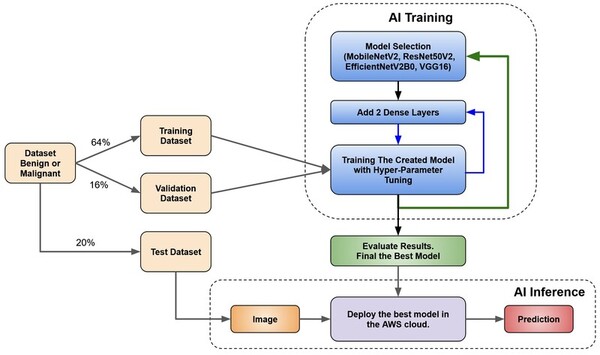
Skin cancer is a common and potentially deadly form of cancer. This study’s purpose was to develop an automated approach for early detection for skin cancer. We hypothesized that convolutional neural network-based models using transfer learning could accurately differentiate between benign and malignant moles using natural images of human skin.
The authors trained a machine learning model to detect kidney stones based on characteristics of urine. This method would allow for detection of kidney stones prior to the onset of noticeable symptoms by the patient.
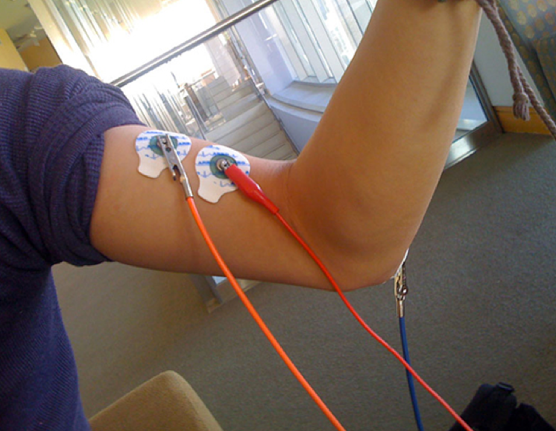
Control of voluntary and involuntary movements is one of the most important aspects of human neurological function, but the mechanisms of motor control are not completely understood. In this study, the authors use transcranial magnetic stimulation (TMS) to stimulate a portion of the motor cortex while subjects performed either discrete (e.g. throwing) or rhythmic (e.g. walking) movements. By recording electrical activity in the muscles during this process, the authors showed that motor evoked potentials (MEPs) measured in the muscles during TMS stimulation are larger in amplitude for discrete movements than for rhythmic movements. Interestingly, they also found that MEPs during transitions between rhythmic and discrete movements were nearly identical and larger in amplitude than those recorded during either rhythmic or discrete movements. This research provides important insights into the mechanisms of neurological control of movement and will serve as the foundation for future studies to learn more about temporal variability in neural activity during different movement types.
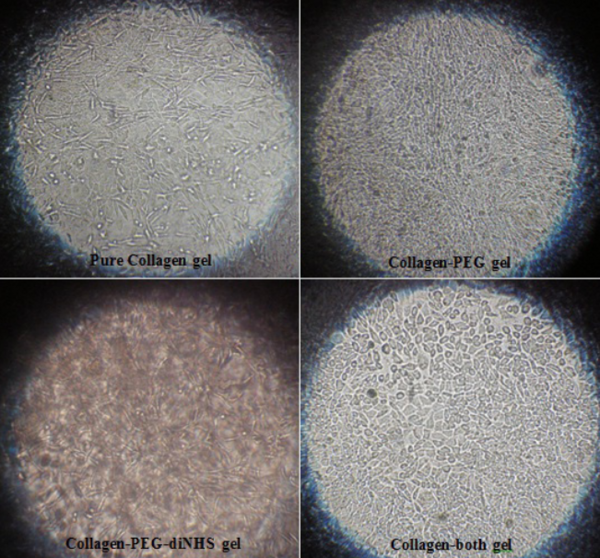
Environment affects the progression of life, especially at the cellular level. This study investigates multiple 3-dimensional growth environments, also known as scaffolds or hydrogels, and their effect on the growth of a type of cells called fibroblasts. These results suggest that a scaffold made of collagen and polyethylene glycol are favorable for cell growth. This research is useful for developing implantable devices to aid wound healing.
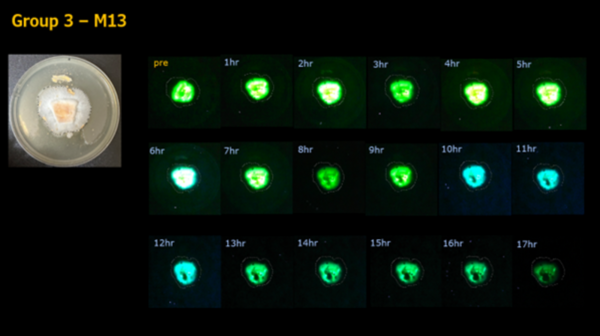
Here the authors investigate the potential of the bioluminescent fungus Panellus stipticus to serve as a sustainable bioindicator for environmental lead contamination. Their findings demonstrate that higher lead concentrations cause a measurable decrease in fungal bioluminescence intensity over time suggesting that the fungus could be an effective tool for detecting lead in an environment.
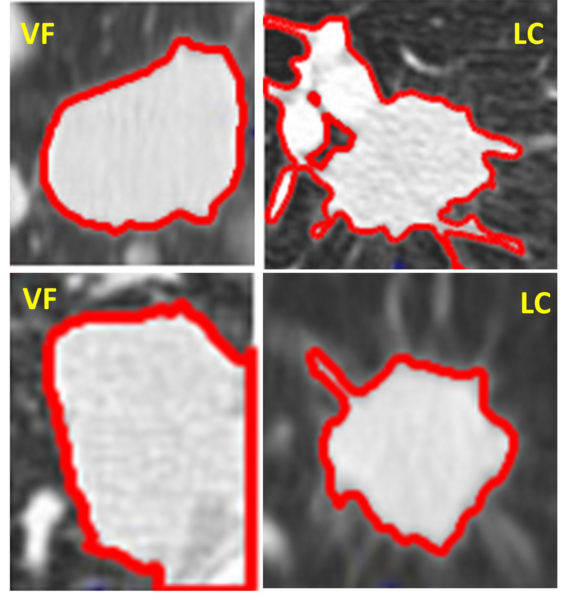
Pulmonary diseases like lung cancer and valley fever pose serious health challenges, making accurate and rapid diagnostics essential. This study developed a MATLAB-based software tool that uses computer vision techniques to differentiate between these diseases by analyzing features of lung nodules in CT scans, achieving higher precision than traditional methods.
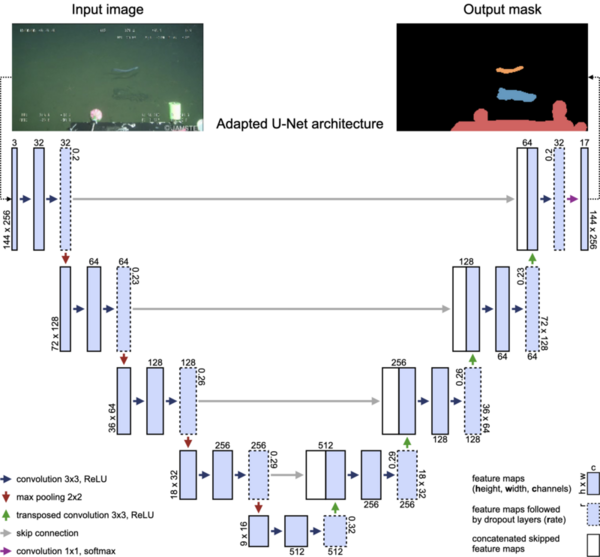
Plastic pollution in the ocean is a major global concern. Remotely Operated Vehicles (ROVs) have promise for removing debris from the ocean, but more research is needed to achieve full effectiveness of the ROV technology. Wahlig and Gonzales tackle this issue by developing a deep learning model to distinguish trash from the environment in ROV images.
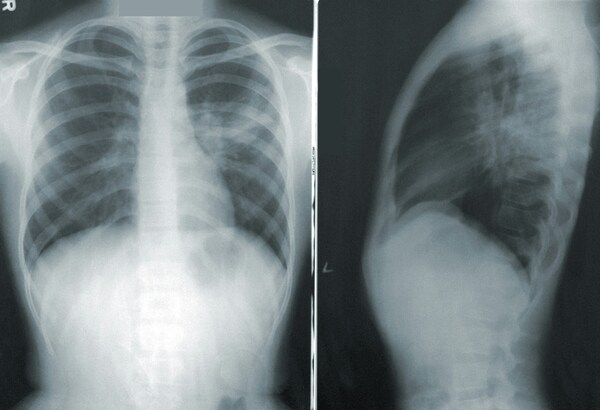
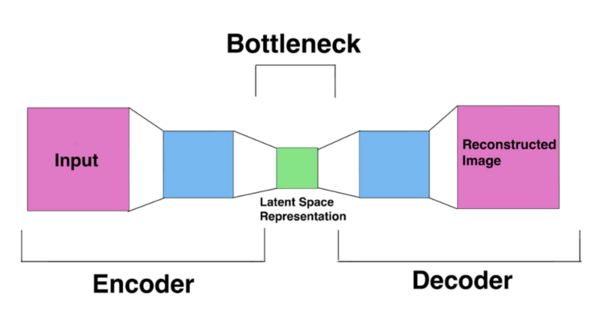
The authors looked at the ability of different deep learning models to predict the presence of lung cancer from chest CT scans. They found that a pre-trained CNN model performed better than an autoencoder model.
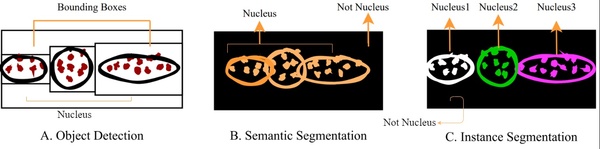
Cell segmentation is the task of identifying cell nuclei instances in fluorescence microscopy images. The goal of this paper is to benchmark the performance of representative deep learning techniques for cell nuclei segmentation using standard datasets and common evaluation criteria. This research establishes an important baseline for cell nuclei segmentation, enabling researchers to continually refine and deploy neural models for real-world clinical applications.