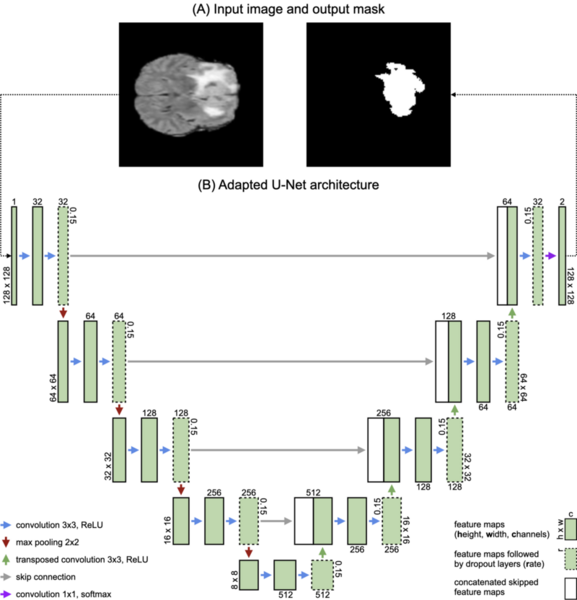
This study compares the performance of two deep learning models, U-Net and DeconvNet, for segmenting gliomas from MRI scans.
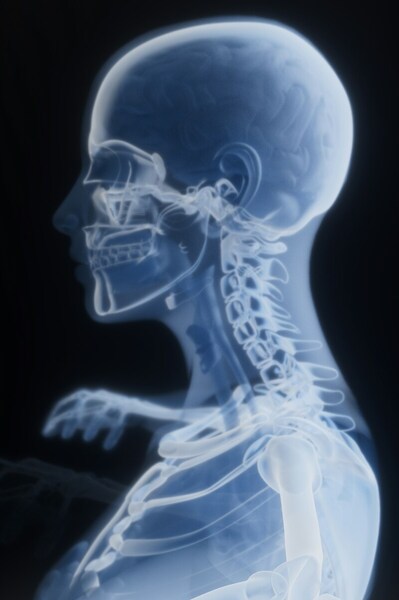
Read More...Advancements in glioma segmentation: comparing the U-Net and DeconvNet models
This study compares the performance of two deep learning models, U-Net and DeconvNet, for segmenting gliomas from MRI scans.
Read More...Simple solving heuristics improve the accuracy of sudoku difficulty classifiers
An explainable model for content moderation
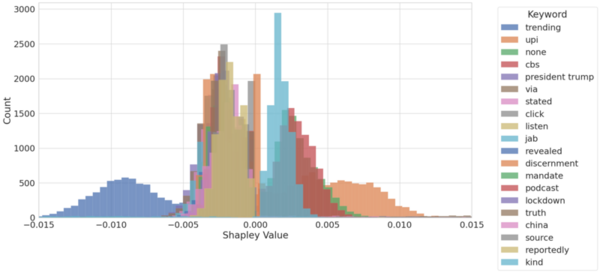
The authors looked at the ability of machine learning algorithms to interpret language given their increasing use in moderating content on social media. Using an explainable model they were able to achieve 81% accuracy in detecting fake vs. real news based on language of posts alone.
Read More...The effects of image manipulation on classification of cervical spondylosis X-ray images using deep learning
How artificial intelligence deep learning models can be used to accurately determine lung cancers
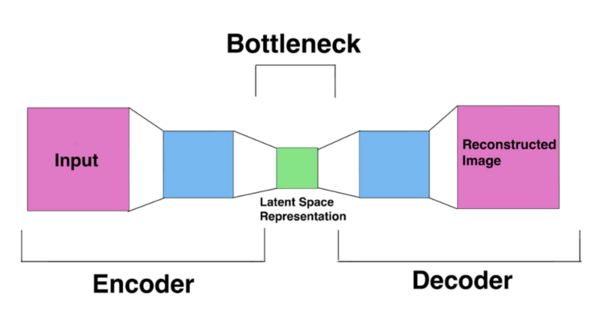
The authors looked at the ability of different deep learning models to predict the presence of lung cancer from chest CT scans. They found that a pre-trained CNN model performed better than an autoencoder model.
Read More...Levering machine learning to distinguish between optimal and suboptimal basketball shooting forms
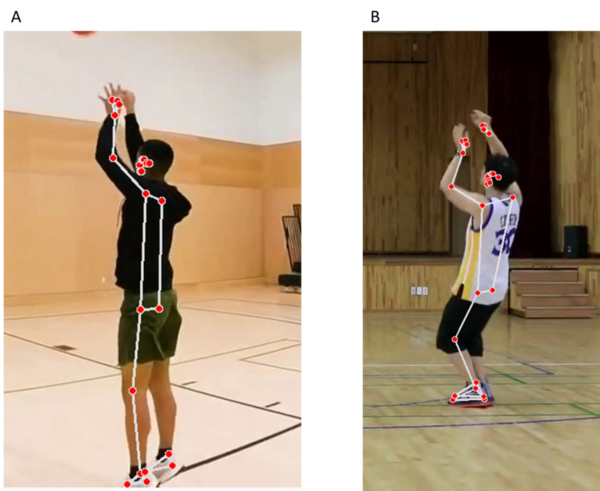
The authors looked at different ways to build computational resources that would analyze shooting form for basketball players.
Read More...Unlocking robotic potential through modern organ segmentation
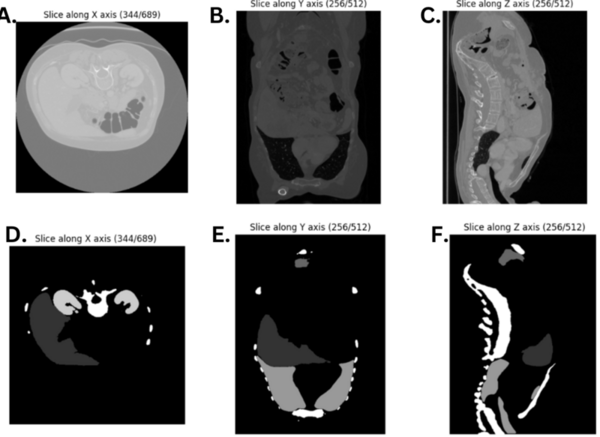
The authors looked at different models of semantic segmentation to determine which may be best used in the future for segmentation of CT scans to help diagnose certain conditions.
Read More...Assessing machine learning model efficacy for brain tumor MRI classification: a multi-model approach
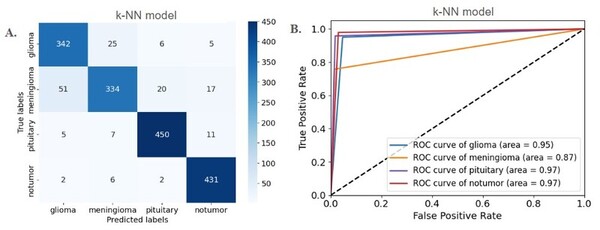
This manuscript explores the performance of five different machine learning models in classifying brain tumors from a dataset of MRI scans. The authors find that several of the models showed >90% accuracy. Thus, the authors suggest that machine learning models demonstrate potential for effective implementation in clinical settings, including as a diagnostic tool that can be used to complement the expertise of neuroradiologists.
Read More...A machine learning approach for abstraction and reasoning problems without large amounts of data
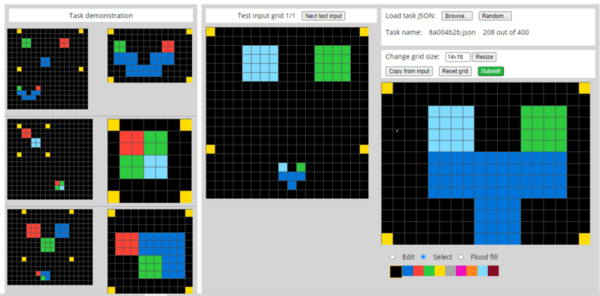
While remarkable in its ability to mirror human cognition, machine learning and its associated algorithms often require extensive data to prove effective in completing tasks. However, data is not always plentiful, with unpredictable events occurring throughout our daily lives that require flexibility by artificial intelligence utilized in technology such as personal assistants and self-driving vehicles. Driven by the need for AI to complete tasks without extensive training, the researchers in this article use fluid intelligence assessments to develop an algorithm capable of generalization and abstraction. By forgoing prioritization on skill-based training, this article demonstrates the potential of focusing on a more generalized cognitive ability for artificial intelligence, proving more flexible and thus human-like in solving unique tasks than skill-focused algorithms.
Read More...Machine learning on crowd-sourced data to highlight coral disease
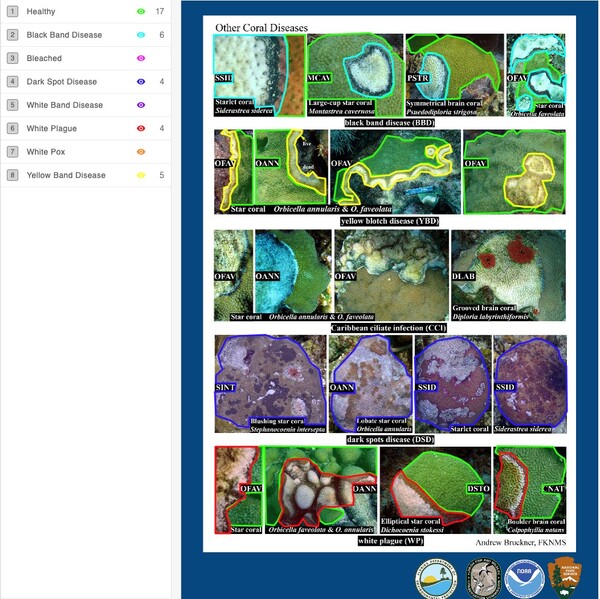
Triggered largely by the warming and pollution of oceans, corals are experiencing bleaching and a variety of diseases caused by the spread of bacteria, fungi, and viruses. Identification of bleached/diseased corals enables implementation of measures to halt or retard disease. Benthic cover analysis, a standard metric used in large databases to assess live coral cover, as a standalone measure of reef health is insufficient for identification of coral bleaching/disease. Proposed herein is a solution that couples machine learning with crowd-sourced data – images from government archives, citizen science projects, and personal images collected by tourists – to build a model capable of identifying healthy, bleached, and/or diseased coral.
Read More...