Browse Articles

Thermoelectric Power Generation: Harnessing Solar Thermal Energy to Power an Air Conditioner

Lew et al. | Jul 06, 2021

Thermoelectric Power Generation: Harnessing Solar Thermal Energy to Power an Air Conditioner

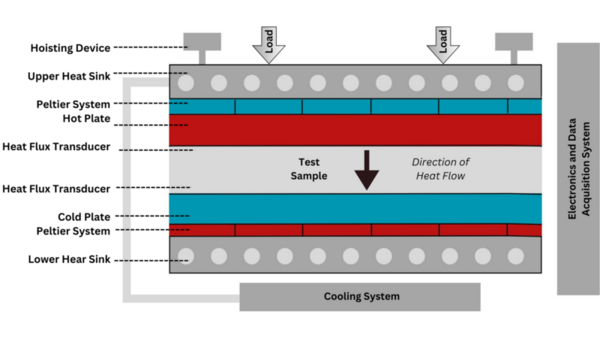
The authors test the feasibility of using thermoelectric modules as a power source and as an air conditioner to decrease reliance on fossil fuels. The results showed that, at its peak, their battery generated 27% more power – in watts per square inch – than a solar panel, and the thermoelectric air conditioner operated despite an unsteady input voltage. The battery has incredible potential, especially if its peak power output can be maintained.

Read More...

Significance of Tumor Growth Modeling in the Behavior of Homogeneous Cancer Cell Populations: Are Tumor Growth Models Applicable to Both Heterogeneous and Homogeneous Populations?

Reddy et al. | Jun 10, 2021

Significance of Tumor Growth Modeling in the Behavior of Homogeneous Cancer Cell Populations: Are Tumor Growth Models Applicable to Both Heterogeneous and Homogeneous Populations?

This study follows the process of single-cloning and the growth of a homogeneous cell population in a superficial environment over the course of six weeks with the end goal of showing which of five tumor growth models commonly used to predict heterogeneous cancer cell population growth (Exponential, Logistic, Gompertz, Linear, and Bertalanffy) would also best exemplify that of homogeneous cell populations.

Read More...

Determining the Effects of Voice Pitch on Adolescent Perception, Subconscious Bias, and Marketing Success Using Electroencephalography

Guan et al. | Apr 28, 2021

Determining the Effects of Voice Pitch on Adolescent Perception, Subconscious Bias, and Marketing Success Using Electroencephalography

Voice pitch affects perceived authoritativeness, competency, and leadership capacity. In this study, the authors suggest that examining certain measures of brain activity collected using an affordable EEG could predict advertising effectiveness, which may be invaluable in future neuromarketing research. Understanding voice pitch and other factors that cause implicit bias may allow significant advances in marketing, facilitating business success.

Read More...

VISTA inhibitor CA170 combined with KRAS vaccine enhances immune response in lung cancer

Giglio et al. | Mar 16, 2026

VISTA inhibitor CA170 combined with <i>KRAS</i> vaccine enhances immune response in lung cancer
Image credit: Robina Weermeijer

Here the authors investigated a combination therapy to target the Kirsten rat sarcoma viral oncogene homolog mutation in lung cancer, by analyzing publicly available data. Their findings indicate that the combination therapy of CA170 and Kvax enhances helper T cell function and improves cytotoxic T lymphocyte infiltration, while Kvax alone drives plasma and memory B cell proliferation.

Read More...

Quantifying right atrial dilation relative to atrial septal defect size using an experimental model

Lee et al. | Dec 06, 2025

Quantifying right atrial dilation relative to atrial septal defect size using an experimental model
Image credit: jesse orrico

To address the limitations in predicting the severity of Atrial Septal Defect (ASD), here the authors utilized a fluid-filled chamber model to quantify the relationship between defect size and right atrial fluid output. The findings confirmed that larger ASD diameters result in a linear increase in fluid output, validating a cost-effective model that can improve clinical prognosis and treatment planning for heart failure risks.

Read More...

Investigating toxicity and antimicrobial properties of silver nanoparticles in Escherichia coli and Drosophila melanogaster

Ghosh et al. | Dec 01, 2025

Investigating toxicity and antimicrobial properties of silver nanoparticles in <em>Escherichia coli</em> and <em>Drosophila melanogaster</em>
Image credit: Ghosh and Hendricks

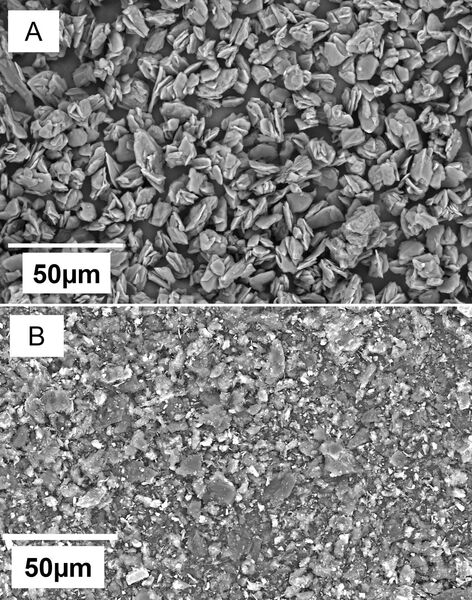
This paper looks at the antibacterial and toxic effects of silver nanoparticles (AgNPs) on Escherichia coli bacteria and Drosophila melanogaster fruit flies. They modified the AgNPs size, concentration, and surface coating to determine the effects on each of the organisms. For both organisms, increased AgNP concentration demonstrated increased toxicity but particle size and surface coating had opposing effects.

Read More...