Browse Articles

Tree-Based Learning Algorithms to Classify ECG with Arrhythmias

Sun et al. | Apr 23, 2025

Tree-Based Learning Algorithms to Classify ECG with Arrhythmias

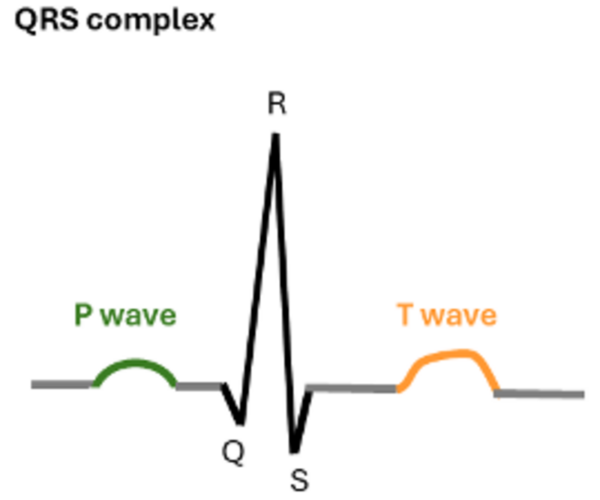
Arrhythmias vary in type and treatment, and ECGs are used to detect them, though human interpretation can be inconsistent. The researchers tested four tree-based algorithms (gradient boosting, random forest, decision tree, and extra trees) on ECG data from over 10,000 patients.

Read More...
Depression detection in social media text: leveraging machine learning for effective screening

Shin et al. | Mar 25, 2025

Depression detection in social media text: leveraging machine learning for effective screening

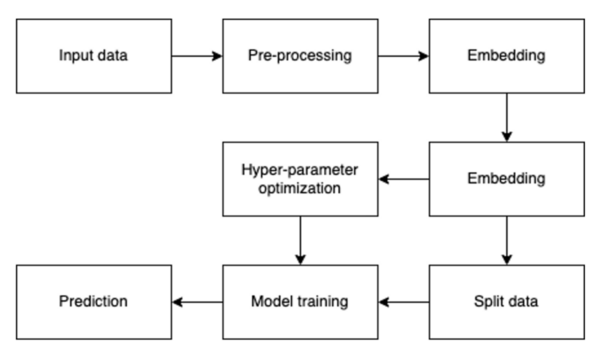
Depression affects millions globally, yet identifying symptoms remains challenging. This study explored detecting depression-related patterns in social media texts using natural language processing and machine learning algorithms, including decision trees and random forests. Our findings suggest that analyzing online text activity can serve as a viable method for screening mental disorders, potentially improving diagnosis accuracy by incorporating both physical and psychological indicators.

Read More...

The most efficient position of magnets

Shin et al. | Mar 28, 2024

The most efficient position of magnets
Image credit: immo RENOVATION

Here, the authors investigated the most efficient way to position magnets to hold the most pieces of paper on the surface of a refrigerator. They used a regression model along with an artificial neural network to identify the most efficient positions of four magnets to be at the vertices of a rectangle.

Read More...

An improved video fingerprinting attack on users of the Tor network

Srikanth et al. | Mar 31, 2022

An improved video fingerprinting attack on users of the Tor network

The Tor network allows individuals to secure their online identities by encrypting their traffic, however it is vulnerable to fingerprinting attacks that threaten users' online privacy. In this paper, the authors develop a new video fingerprinting model to explore how well video streaming can be fingerprinted in Tor. They found that their model could distinguish which one of 50 videos a user was hypothetically watching on the Tor network with 85% accuracy, demonstrating that video fingerprinting is a serious threat to the privacy of Tor users.

Read More...