Browse Articles

Evaluating Biomarkers and Treatments for Acute Kidney Injury in a Zebrafish Model

Mathew et al. | Aug 11, 2019

Evaluating Biomarkers and Treatments for Acute Kidney Injury in a Zebrafish Model

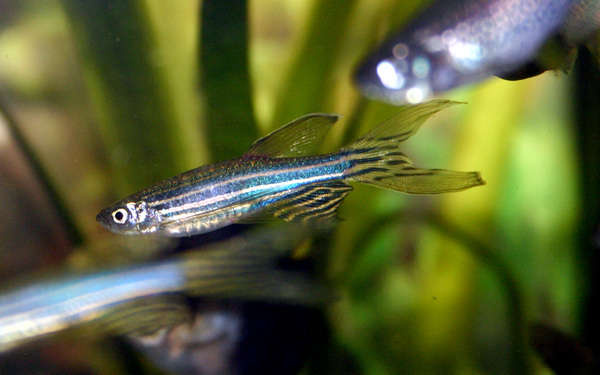
Coronary Artery Disease (CAD) is the leading cause of death in the United States, and 81% of Acute Kidney Injury (AKI) patients in the renal fibrosis stage later develop CAD. In this study, Mathew and Joykutty aimed to create a cost-effective strategy to treat AKI and thus prevent CAD using a model of the zebrafish, Danio rerio. They first tested whether AKI is induced in Danio rerio upon exposure to environmental toxins, then evaluated nitrotyrosine as an early biomarker for toxin-induced AKI. Finally, they evaluated 4 treatments of renal fibrosis, the last stage of AKI, and found that the compound SB431542 was the most effective treatment (reduced fibrosis by 99.97%). Their approach to treating AKI patients, and potentially prevent CAD, is economically feasible for translation into the clinic in both developing and developed countries.

Read More...
A Taste of Sweetness in Bioplastics

Tsai et al. | Apr 05, 2019

A Taste of Sweetness in Bioplastics

Sweet potatoes are one of the most common starches in Taiwan, and sweet potato peels hold significant potential to make biodegradable plastics which can alleviate the environmental impact of conventional petroleum-based plastics. In this paper, Tsai et al created starch-based bioplastics derived from sweet potato peels and manipulated the amount of added glycerol to alter the plastic’s strength and flexibility properties. Their results indicated that higher concentrations of glycerol yield more malleable plastics, providing insights into how recycled agricultural waste material might be used to slow down the rate of pollution caused by widespread production of conventional plastics.

Read More...

Vitamin C in Fruits: Does Organic Make a Difference?

Mulukutla et al. | Sep 21, 2015

Vitamin C in Fruits: Does Organic Make a Difference?

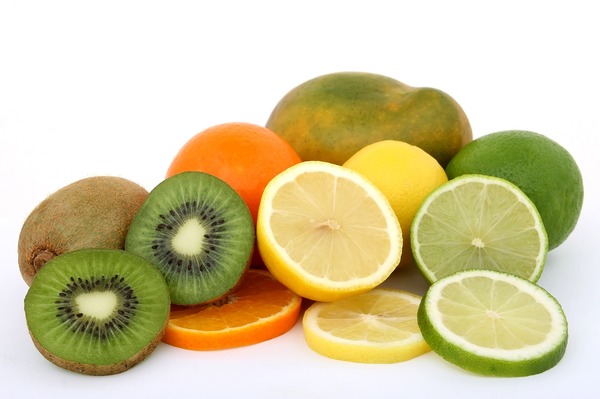
Vitamin C is an essential nutrient that is involved in many important cellular processes. Humans are unable to produce Vitamin C and thus must obtain it from exogenous sources such as citrus fruits, peppers, or flowering vegetables. In this study, the authors investigate whether or not organic and non-organic fruits have comparable vitamin C levels. This type of study has important implications for consumers.

Read More...

Deciphering correlation and causation in risk factors for heart disease with Mendelian randomization

Singh et al. | Feb 08, 2023

Deciphering correlation and causation in risk factors for heart disease with Mendelian randomization
Image credit: Robina Weermeijer

Here, seeking to identify the risk of coronary artery disease (CAD), a major cause of cardiovascular disease, the authors used Mendelian randomization. With this method they identified several traits such as blood pressure readings, LDL cholesterol and BMI as significant risk factors. While other traits were not found to be significant risk factors.

Read More...