The effects of dysregulated ion channels and vasoconstriction in glioblastoma multiforme
(1) Salem High School, (2) New York University
https://doi.org/10.59720/23-187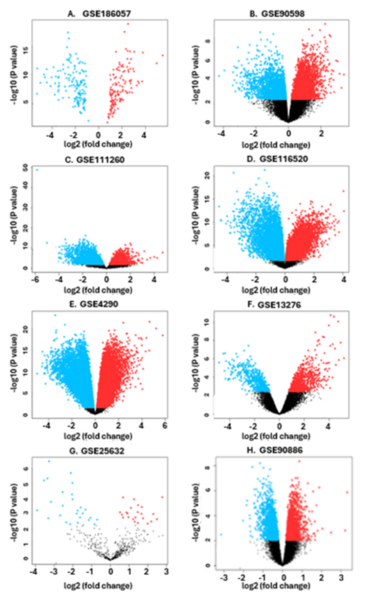
Glioblastoma multiforme (GBM) is the most aggressive tumor of the brain and is characterized by its ability to rapidly grow blood vessels at the tumor site, the capacity for self-renewal, and resistance to chemotherapy and radiation. Despite extensive research on GBM, the physiological basis for these characteristics is unclear. Clinical studies show that blocked blood vessels and reduced blood flow may cause rapid tumor growth and tumor resistance. Blocked blood vessels have been attributed to pseudopalisading necrosis, a self-protecting mechanism to prevent tumor cell damage. We hypothesized that vasoconstriction may underlie GBM growth. When peritumoral blood vessels constrict, blood flow may be blocked. This blockage prevents immune cells and drugs from reaching the tumor thereby fostering tumor growth through highly proliferative cells. We conducted literature searches and gene expression analysis to identify signaling pathways impacted in patients with GBM. Using GEO2R, a genetic analysis tool developed by NCBI, we found that the γ-aminobutyric acid (GABA) signaling pathway was uniformly enriched, and both n-type voltage-gated calcium channels (n-VGCC) and NMDA signaling pathways were uniformly depleted in GBM patients when compared to healthy individuals. These findings suggest a reduced calcium diffusion into the endothelial cells of the blood vessels surrounding the tumor, which could result in vasoconstriction of the tumor's blood vessels. Our analysis of the gene expression data supports our hypothesis that vasoconstriction may be an important factor in giving GBM its characteristics.
This article has been tagged with: