Antioxidative properties of Taiwanese high mountain tea infusions
(1) Kang Chiao International School Linkou Campus, (2) School of Pharmacy, College of Medicine, National Taiwan University
https://doi.org/10.59720/24-318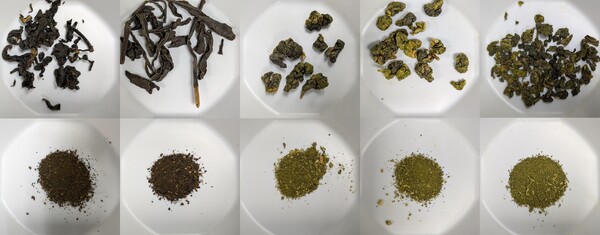
Tea is an integral part of Taiwanese culture, and Taiwanese high mountain teas, in particular, have gained significant popularity in recent years, especially cherished for their unique mild and fresh taste. Beyond its taste, tea is appreciated for its health benefits, including anti-inflammation, improved heart health, and cancer prevention. These benefits are primarily attributed to the high antioxidant content found in certain types of tea. We aimed to study the factors influencing the antioxidant concentration in Taiwanese high mountain tea infusions and hypothesized that growing conditions, the climate, and processing of tea leaves play a substantial role in that regard. To assess how the above-mentioned factors affect antioxidative properties, we studied samples of Taiwanese high mountain green, oolong, and black teas and compared them to various green teas grown at lower altitudes and in different geographical regions. For quantification of antioxidant properties, we utilized the Folin-Ciocalteu assay, oxygen radical absorbance capacity assay, and thiobarbituric acid reactive substances assay, which each illuminated different aspects of the oxidation process. Our findings indicated that the antioxidative properties of Taiwanese high mountain teas are predominantly influenced by oxidation during tea processing, while no definitive conclusion could be drawn regarding the influence of cultivation altitude. The highly oxidized black teas tested in this study featured a low antioxidant content, while both high mountain green and oolong teas exhibited high levels, making them valuable sources of antioxidants. We also noticed that the spherical shape of high mountain tea leaves led to slower extraction compared to loose or needle-shaped tea leaves, suggesting that multiple infusions may be needed to fully harness their antioxidant potential. Findings of this study may assist consumers in selecting teas with potential health benefits and provide some guidelines to maximize the extraction of antioxidants from tea.
This article has been tagged with: