In this study the authors look at the use of Indole 3 Carbinol as a treatment for Type II Diabetes finding that it may be an effective treatment.
Read More...Indole-3 carbinol on lipid accumulation in Caenorhabditis elegans as a novel therapeutic for Type II Diabetes
In this study the authors look at the use of Indole 3 Carbinol as a treatment for Type II Diabetes finding that it may be an effective treatment.
Read More...Effect of heme vs. non-heme iron supplements on gut microbiome fitness
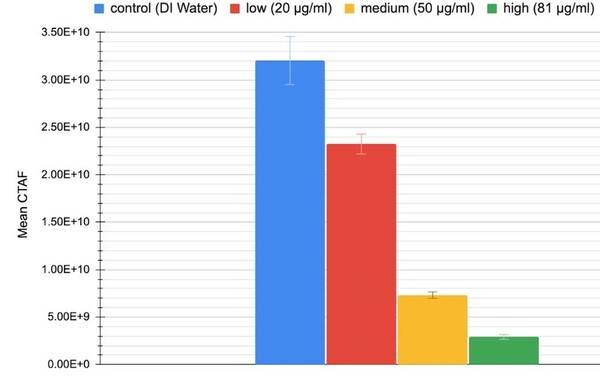
Here, based on identification of iron deficiencies of a majority of people around the world, the authors sought to understand how the two main forms of dietary iron, heme and non-heme, affect the bacteria found in the human gut. by using a cell plate study, they found that bacterial growth increased with increasing concentration os either form of iron, up until the point where the high iron content resulted in cytotoxicity. They suggest this evidence points to the potential dangers of overconsumption of iron.
Read More...Characterizing the evolution of antibiotic resistance in commercial Lactobacillus strains
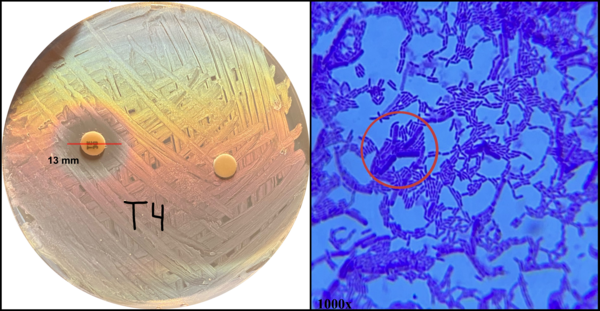
In this study, the authors studied the ability for bacteria to develop antibiotic resistance over successive generations and modeled the trajectory to predict how antibiotic resistance is developed.
Read More...Analysis of complement system gene expression and outcome across the subtypes of glioma
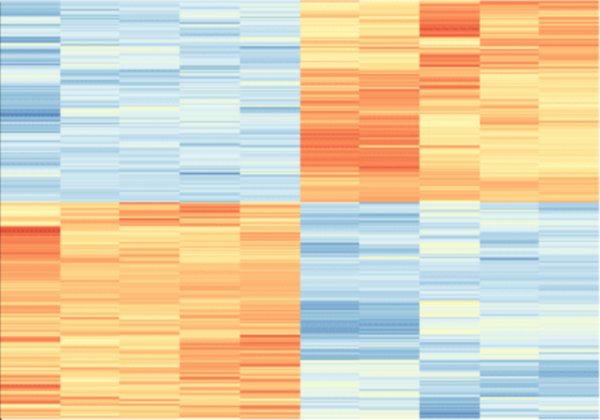
Here the authors sought to better understand glioma, cancer that occurs in the glial cells of the brain with gene expression profile analysis. They considered the expression of complement system genes across the transcriptional and IDH-mutational subtypes of low-grade glioma and glioblastoma. Based on their results of their differential gene expression analysis, they found that outcomes vary across different glioma subtypes, with evidence suggesting that categorization of the transcriptional subtypes could help inform treatment by providing an expectation for treatment responses.
Read More...How CAFOs affect Escherichia coli contents in surrounding water sources
Commercial Concentrated Animal Feeding Operations (CAFOs) produce large quantities of waste material from the animals being housed in them. These feedlots found across the United States contain livestock that produce waste that results in hazardous runoff. This study examines how CAFOs affect water sources by testing for Escherichia Coli (E. coli) content in bodies of water near CAFOs.
Read More...