Browse Articles

Optimizing airfoil shape for small, low speed, unmanned gliders: A homemade investigation

Lara et al. | Mar 30, 2023

Optimizing airfoil shape for small, low speed, unmanned gliders: A homemade investigation
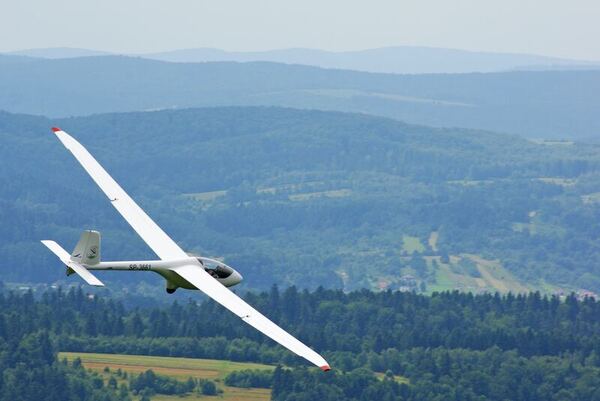
Image credit: Konrad Wojciechowski

Here, the authors sought to identify a method to optimize the lift generated by an airfoil based solely on its shape. By beginning with a Bernoullian model to predict an optimized wing shape, the authors then tested their model against other possible shapes by constructing them from Styrofoam and testing them in a small wind tunnel. Contrary to their hypothesis, they found their expected optimal airfoil shape did not result in the greatest lift generation. They attributed this to a variety of confounding variables and concluded that their results pointed to a correlation between airfoil shape and lift generation.

Read More...

Banana-based Biofuels for Combating Climate Change: How the Composition of Enzyme Catalyzed Solutions Affects Biofuel Yield

Klein-Hessling Barrientos et al. | May 27, 2020

Banana-based Biofuels for Combating Climate Change: How the Composition of Enzyme Catalyzed Solutions Affects Biofuel Yield

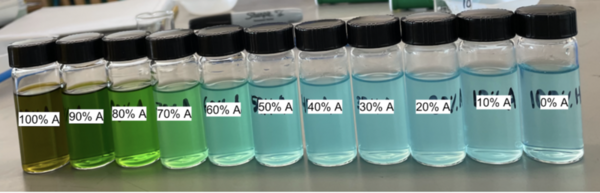
The authors investigate whether amylase or yeast had a more prominent role in determining the bioethanol concentration and bioethanol yield of banana samples. They hypothesized that amylase would have the most significant impact on the bioethanol yield and concentration of the samples. They found that while yeast is an essential component for producing bioethanol, the proportion of amylase supplied through a joint amylase-yeast mixture has a more significant impact on the bioethanol yield. This study provides a greater understanding of the mechanisms and implications involved in enzyme-based biofuel production, specifically of those pertaining to amylase and yeast.

Read More...

Quantifying natural recovery of dopamine deficits induced by chronic stress

Josyula et al. | Oct 27, 2025

Quantifying natural recovery of dopamine deficits induced by chronic stress
Image credit: Shawn Day

Here the authors investigated the natural recovery of stress-induced dopamine-related gene deficits in C. elegans by measuring the expression of cat-2 (dopamine biosynthesis) and sod-2 (oxidative stress) following exposure to starvation or hydrocortisone. They found that the reversibility of sod-2 and the expression of cat-2 were highly dependent on the type and severity of the stressor, suggesting that the body's natural ability to recover from dopamine dysfunction has biological limitations.

Read More...