The impact of light pollution on astrophotography and visual astronomy in varying environments
(1) Szkola w chmurze, (2) Laser Fryga, Poznan, Poland
https://doi.org/10.59720/25-096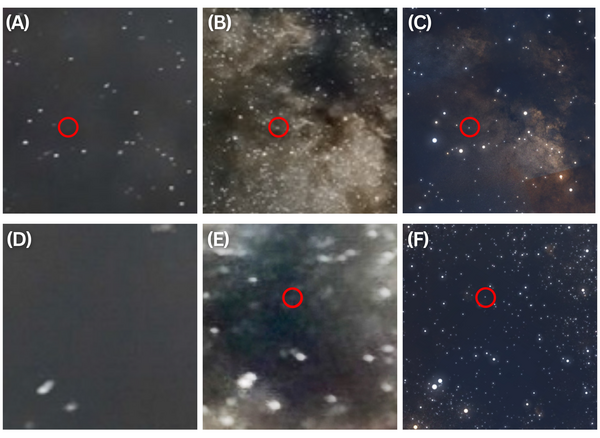
Around the globe, nighttime exposure to artificial lighting is becoming increasingly common, disrupting ecosystems, affecting human health, and negatively impacting the natural environment. Not only does it influence natural cycles, but it also reduces the number of visible stars and distorts the appearance of celestial objects, making it difficult to observe them in detail. While the impact of light pollution on star visibility and celestial observation has been widely researched, its specific effects on astrophotography, a technique that requires optimal light conditions, has not been as extensively studied. This research sought to investigate how light pollution affects the visibility and contrast of celestial objects in both astrophotography and visual astronomy. We compare images of the Milky Way taken in urban and rural locations to find out how location impacts the clarity and contrast of these images. We hypothesized that light pollution significantly reduces the visibility and contrast of celestial objects, especially in regions with higher levels of artificial light. Our results demonstrate that light pollution does have an impact on both visibility and contrast of stars and other celestial objects. These findings highlight the importance of reducing light pollution to preserve our ability to study and appreciate the universe.
This article has been tagged with: