A potential enzymatic pathway for polystyrene degradation using saliva of greater wax moth Galleria mellonella
(1) Millburn High School, (2) Marine Biology and Paleoenvironment, Lamont Doherty Earth Observatory at Columbia University
https://doi.org/10.59720/25-034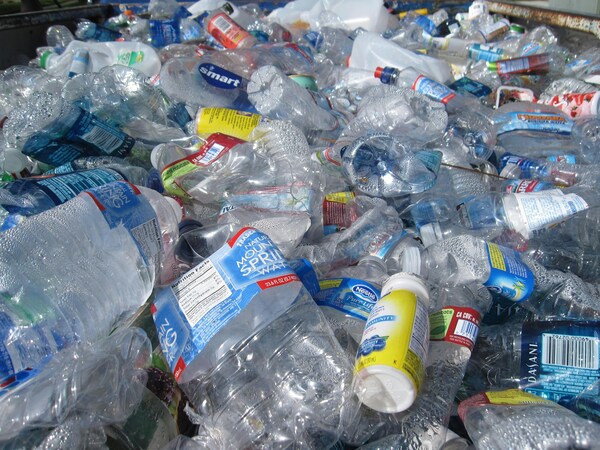
Plastic pollution poses a major environmental challenge due to the persistence of polymers that take thousands of years to decompose. Disposal methods of plastics face several bottlenecks, including resource-intensive processes and limited recycling capabilities, making biodegradation an appealing, eco-friendly, and cost-effective alternative. This study investigates the potential of waxworm saliva, the secretion of Galleria mellonella (G. mellonella, commonly known as the greater wax moth) in its larval stage, to degrade polystyrene (PS), a polymer known for its resistance to environmental breakdown. We hypothesized that G. mellonella saliva has the direct ability to depolymerize PS. To test this, we collected saliva from G. mellonella larvae and applied it to commercially available PS beads. Spectrofluorometric analysis revealed emission peaks corresponding to styrene, the monomeric form of polystyrene, suggesting that G. mellonella saliva can depolymerize PS. This study demonstrates that waxworm saliva is capable of degrading PS, underscoring its potential for industrial applications in plastic waste management. We will conduct further analysis to identify the specific proteins/enzymes responsible and confirm the full range of degradation by-products.
This article has been tagged with: