Browse Articles

The characterization of quorum sensing trajectories of Vibrio fischeri using longitudinal data analytics

Abdel-Azim et al. | Dec 16, 2023

The characterization of quorum sensing trajectories of <i>Vibrio fischeri</i> using longitudinal data analytics

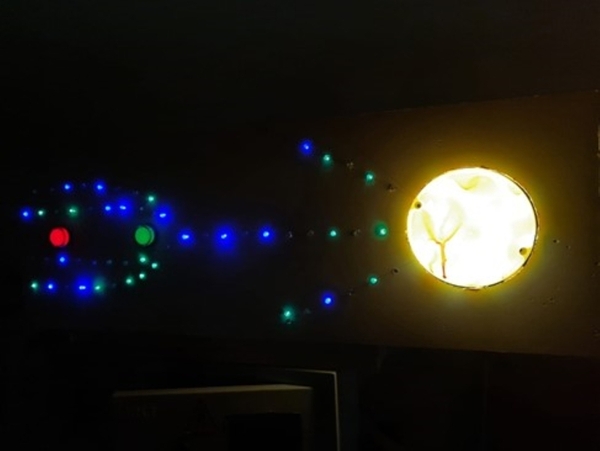
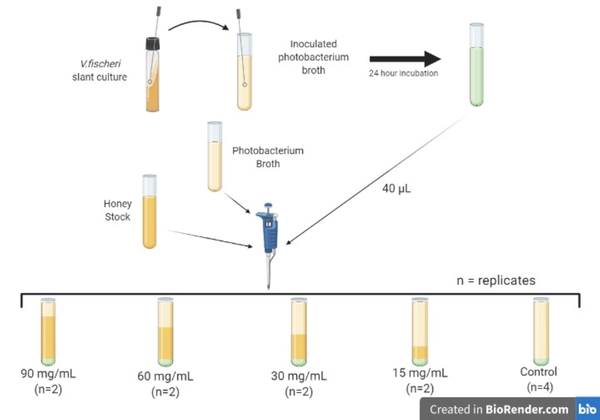
Quorum sensing (QS) is the process in which bacteria recognize and respond to the surrounding cell density, and it can be inhibited by certain antimicrobial substances. This study showed that illumination intensity data is insufficient for evaluating QS activity without proper statistical modeling. It concluded that modeling illumination intensity through time provides a more accurate evaluation of QS activity than conventional cross-sectional analysis.

Read More...

The effects of algaecides on Spirulina major and non-target organism Daphnia magna

Halepete et al. | Oct 09, 2023

The effects of algaecides on <i>Spirulina major</i> and non-target organism <i>Daphnia magna</i>
Image credit: The authors

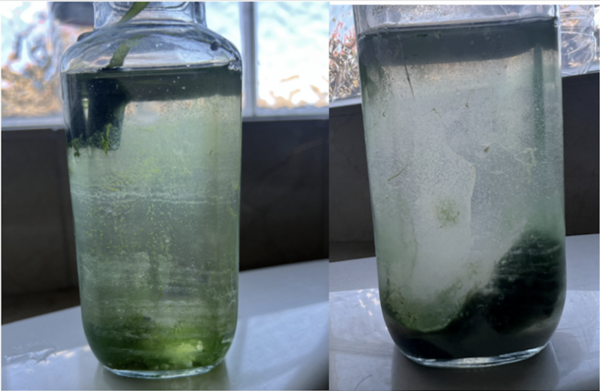
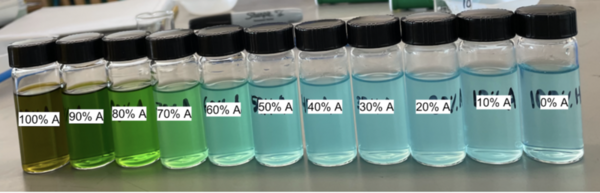
Algal blooms pose a threat to ecosystems, but the methods used to combat these blooms might harm more than just the algae. Halepete, Graham, and Lowe-Schmahl demonstrate negative effects of anti-algae treatments on a cyanobacterium (Spirulina major), and the water fleas (Daphnia magna) that live alongside these cyanobacteria.

Read More...

Assessing grass water use efficiency through smartphone imaging and ImageJ analysis

Shen et al. | Jul 27, 2022

Assessing grass water use efficiency through smartphone imaging and ImageJ analysis

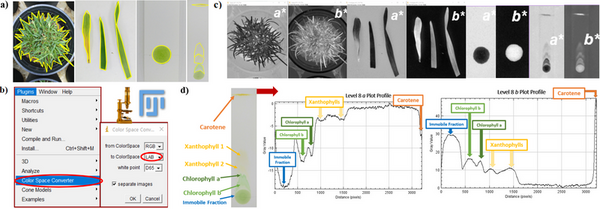
Overwatering and underwatering grass are widespread issues with environmental and financial consequences. This study developed an accessible method to assess grass water use efficiency (WUE) combining smartphone imaging with open access color unmixing analysis. The method can be applied in automated irrigation systems or apps, providing grass WUE assessment for regular consumer use.

Read More...

Phospholipase A2 increases the sensitivity of doxorubicin induced cell death in 3D breast cancer cell models

Lee et al. | Mar 30, 2022

Phospholipase A2 increases the sensitivity of doxorubicin induced cell death in 3D breast cancer cell models

Inefficient penetration of cancer drugs into the interior of the three-dimensional (3D) tumor tissue limits drugs' delivery. The authors hypothesized that the addition of phospholipase A2 (PLA2) would increase the permeability of the drug doxorubicin for efficient drug penetration. They found that 1 mM PLA2 had the highest permeability. Increased efficiency in drug delivery would allow lower concentrations of drugs to be used, minimizing damage to normal cells.

Read More...