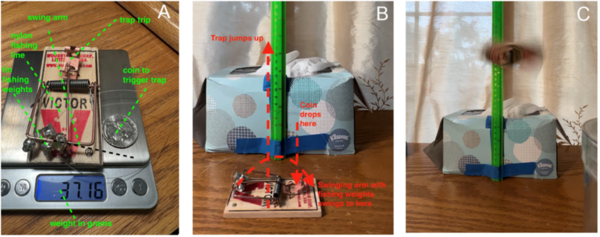
The authors use the unique movements of the jumping gall wasp to study momentum transfer with potential applications in robotics and extraterrestrial research.
Read More...Investigating momentum transfer with gall-forming wasps
The authors use the unique movements of the jumping gall wasp to study momentum transfer with potential applications in robotics and extraterrestrial research.
Read More...Predictions of neural control deficits in elders with subjective memory complaints and Alzheimer’s disease
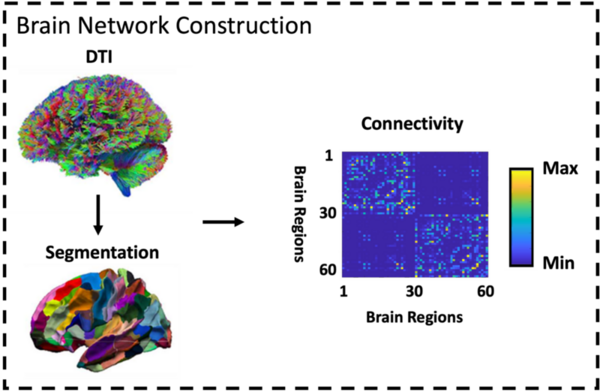
The authors compare neuroimaging datasets to identify potential new biomarkers for earlier detection of Alzheimer's disease.
Read More...Drought prediction in the Midwestern United States using deep learning
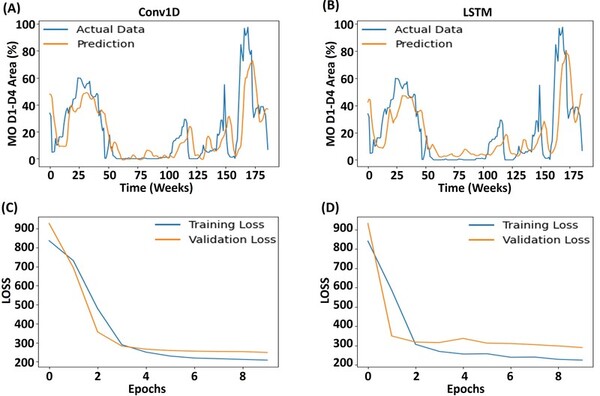
The authors studied the ability of deep learning models to predict droughts in the midwestern United States.
Read More...Adults’ attitudes toward non-alcoholic beer purchases and consumption by children and adolescents
Consumption of non-alcoholic beverages, like non-alcoholic beer, is growing in popularity in the United States. These beverages raise important societal questions, such as whether minors should be allowed to purchase or consume non-alcoholic beer. An and An investigate this issue by surveying adults to see if they support minors purchasing and consuming non-alcoholic beer.
Read More...Demographic indicators of voter shift between 2016 and 2020 presidential elections
In this study, the authors investigate the demographic indicators for voter shift between the 2016 and 2020 presidential elections based on demographic data put through a K-nearest neighbors classification algorithm and Principal Component Analysis.
Read More...Development and Implementation of Enzymatic and Volatile Compound-based Approaches for Instantaneous Detection of Pathogenic Staphylococcus aureus
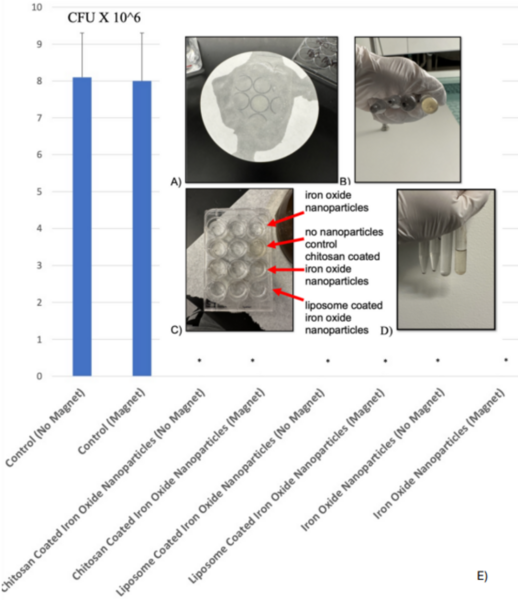
Staphylococcus aureus (S. aureus) has a mortality rate of up to 30% in developing countries. The purpose of this experiment was to determine if enzymatic and volatile compound-based approaches would perform more quickly in comparison to existing S. aureus diagnostic methods and to evaluate these novel methods on accuracy. Ultimately, this device provided results in less than 30 seconds, which is much quicker than existing methods that take anywhere from 10 minutes to 48 hours based on approach. Statistical analysis of accuracy provides preliminary confirmation that the device based on enzymatic and volatile compound-based approaches can be an accurate and time-efficient tool to detect pathogenic S. aureus.
Read More...Water tubing injury patterns among different demographics: A NEISS study
The authors looked at how injuries sustained during water tubing, that require treatment at an emergency department, differ between males and females.
Read More...Population demographic patterns in PFAS-neurological health research
The authors analyzed racial and ethnic representation in studies on PFAS and neurological health outcomes.
Read More...SeniorConnect: A low-cost, app-based real-time alert system to connect seniors with their caregivers
The authors design and test an easy-to-use and cost-effective mobile app-based alert system to help senior citizens rapidly communicate with caregivers in emergencies or when in need of assistance.
Read More...Lung cancer AI-based diagnosis through multi-modal integration of clinical and imaging data
Lung cancer is highly fatal, largely due to late diagnoses, but early detection can greatly improve survival. This study developed three models to enhance early diagnosis: an MLP for clinical data, a CNN for imaging data, and a hybrid model combining both.
Read More...