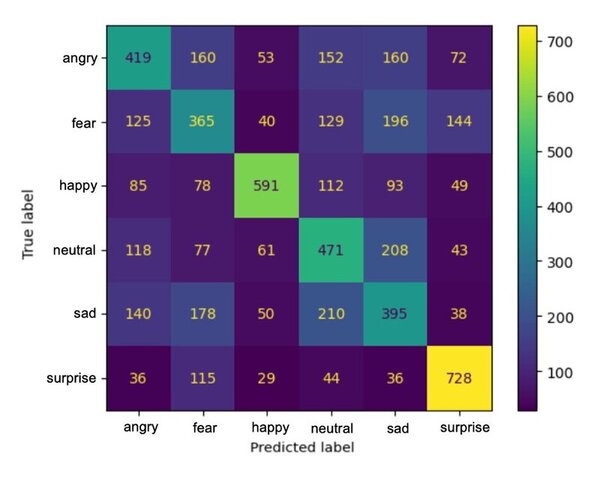
The authors used machine learning to predict the presence of anxiety and burnout in students based on facial expressions and demographic information.
Read More...Identifying anxiety and burnout from students facial expressions and demographics using machine learning
The authors used machine learning to predict the presence of anxiety and burnout in students based on facial expressions and demographic information.
Read More...Advancements in glioma segmentation: comparing the U-Net and DeconvNet models
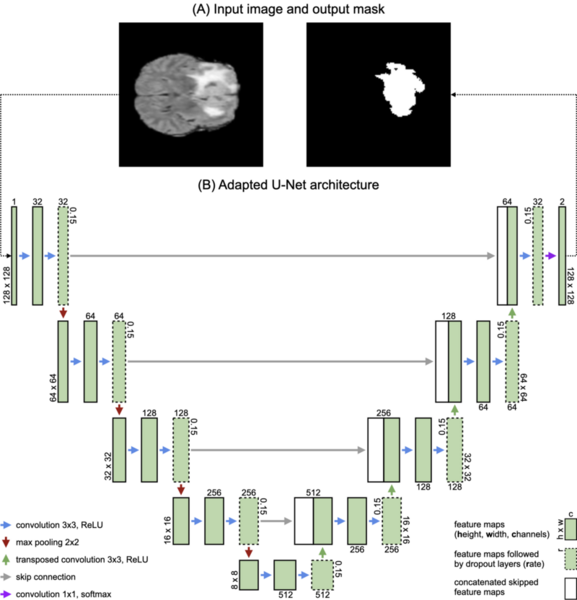
This study compares the performance of two deep learning models, U-Net and DeconvNet, for segmenting gliomas from MRI scans.
Read More...Epileptic seizure detection using machine learning on electroencephalogram data
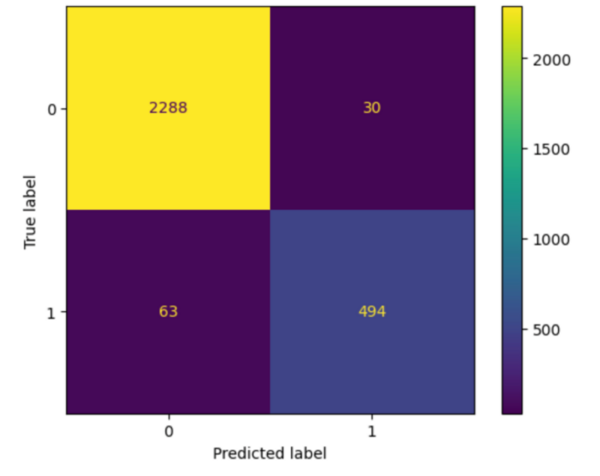
The authors use machine learning and electroencephalogram data to propose a method for improving epilepsy diagnosis.
Read More...Large-scale brain network connectivity under anxiety induced by naturalistic story listening
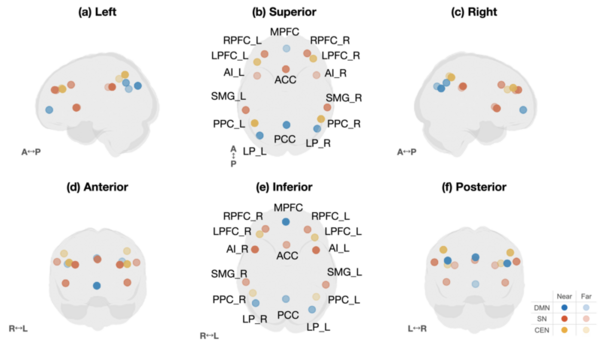
This study found that anxiety induced by a suspenseful story increased communication between the brain’s salience, default mode, and central executive networks, with the central executive network acting as a bridge during peak tension. These findings suggest that anxiety alters large-scale brain connectivity patterns and may help inform future diagnostic tools and personalized treatments for anxiety disorders.
Read More...Chemoreception in Aurelia aurita studied by AI-enhanced image analysis

The authors studied the chemoreception of moon jellyfish in response to food, and developed an AI tool to identify track and quantify the pulsation of swimming jellyfish.
Read More...The non-nutritive sweeteners acesulfame potassium and neotame slow the regeneration rate of planaria
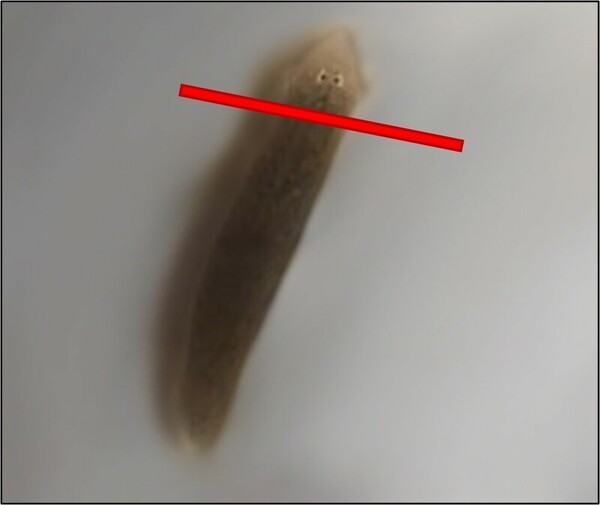
The consumption of sugar substitute non-nutritive sweeteners (NNS) has dramatically increased in recent years. Despite being advertised as a healthy alternative, NNS have been linked to adverse effects on the body, such as neurodegenerative diseases (NDs). In NDs, neural stem cell function is impaired, which inhibits neuron regeneration. The purpose of this study was to determine if the NNS acesulfame potassium (Ace-K) and neotame affect planaria neuron regeneration rates. Since human neurons may regenerate, planaria, organisms with extensive regenerative capabilities due to stem cells called neoblasts, were used as the model organism. The heads of planaria exposed to either a control or non-toxic concentrations of NNS were amputated. The posterior regions of the planaria were observed every 24 hours to see the following regeneration stages: (1) wound healing, (2) blastema development, (3) growth, and (4) differentiation. The authors hypothesized that exposure to the NNS would slow planaria regeneration rates. The time it took for the planaria in the Ace-K group and the neotame group to reach the second, third, and fourth regeneration stage was significantly greater than that of the control. The results of this study indicated that exposure to the NNS significantly slowed regeneration rates in planaria. This suggests that the NNS may adversely impact neoblast proliferation rates in planaria, implying that it could impair neural stem cell proliferation in humans, which plays a role in NDs. This study may provide insight into the connection between NNS, human neuron regeneration, and NDs.
Read More...Revisiting the Belmont Report: an analysis of the bioethical values of Generation Z

The authors studied the bioethical values of Generation Z.
Read More...Artificial intelligence face-tracking for a semi-virtual reality gaming experience

The authors studied the impact of AI face-tracking technology on the immersiveness of videogames as an alternative to virtual reality gaming.
Read More...Trust in the use of artificial intelligence technology for treatment planning
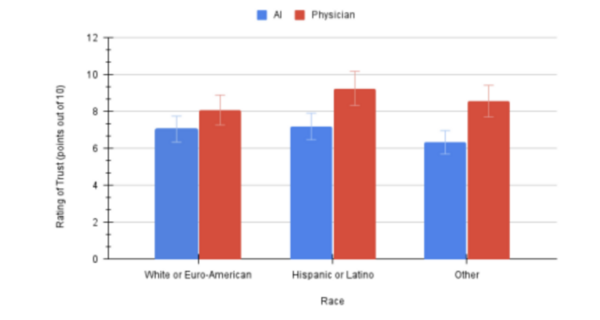
As AI becomes more integrated into healthcare, public trust in AI-developed treatment plans remains a concern, especially for emotionally charged health decisions. In a study of 81 community college students, AI-created treatment plans received lower trust ratings compared to physician-developed plans, supporting the hypothesis. The study found no significant differences in AI trust levels across demographic factors, suggesting overall skepticism toward AI-driven healthcare.
Read More...Public Perception of the Effects of Artificial Sweeteners on Diabetes Based on YouTube Comments
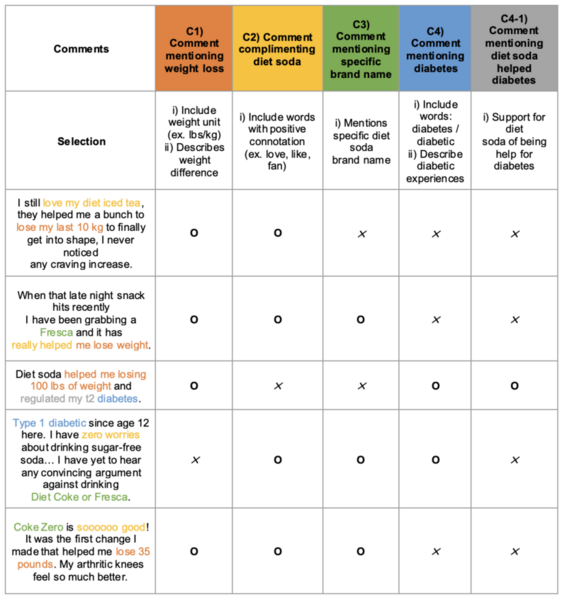
Artificial sweeteners are rising in popularity, in part due to the influence of social media platforms like YouTube. However, YouTube commenters often repeat information about artificial sweeteners that is not supported by scientific research. To investigate how misinformation about sweeteners spreads through social media, Kim and Yoo conduct a content analysis of YouTube comments to reveal how many comments repeat misinformation about artificial sweeteners' effects.
Read More...