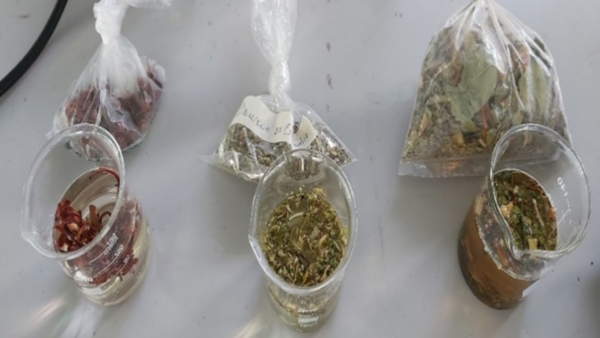
This study investigates the presence of alkaloids in a variety of medicinal plants using the Marquis reagent. They reveal some surprising results and how useful the Marquis reagent is.
Read More...Alkaloids Detection in Commonly Found Medicinal Plants with Marquis Reagent
This study investigates the presence of alkaloids in a variety of medicinal plants using the Marquis reagent. They reveal some surprising results and how useful the Marquis reagent is.
Read More...The Effect of Neem on Common Nosocomial Infection-Causing Organisms
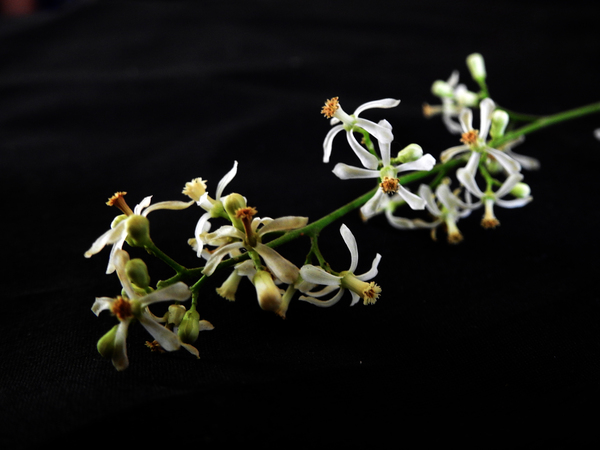
Nosocomial infections acquired in hospitals pose a risk to patients, a risk compounded by resistant microorganisms. To combat this problem, researchers have turned to bioactive compounds from medicinal plants such as the widely used neem. In the present study, researchers sought to determine the effectiveness of different neem preparations against several hospital acquired human pathogens. Neem powder in water successfully inhibited microorganism growth making it a potential agent to combat these infections.
Read More...An Analysis of Soil Microhabitats in Revolutionary War, Civil War, and Modern Graveyards on Long Island, NY
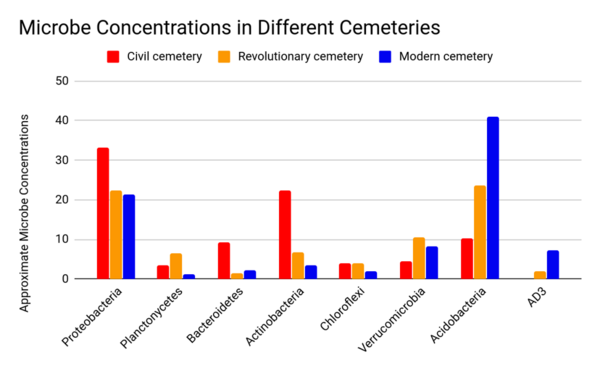
Previously established data indicate that cemeteries have contributed to groundwater and soil pollution, as embalming fluids can impact the microbiomes that exist in decomposing remains. In this study, Caputo et al hypothesized that microbial variation would be high between cemeteries from different eras due to dissimilarities between embalming techniques employed, and furthermore, that specific microbes would act as an indication for certain contaminants. Overall, they found that there is a variation in the microbiomes of the different eras’ cemeteries according to the concentrations of the phyla and their more specific taxa.
Read More...Development of Diet-Induced Insulin Resistance in Drosophila melanogaster and Characterization of the Anti-Diabetic Effects of Resveratrol and Pterostilbene
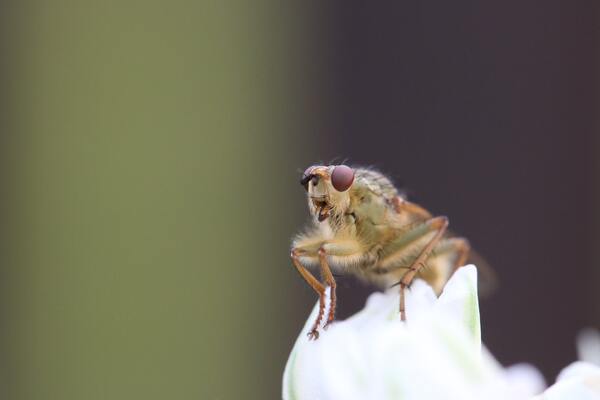
Dhar and colleagues established a Type II diabetes mellitus (T2DM) model in fruit flies, using this model to induce insulin resistance and characterize the effects Resveratrol and Pterostilbene on a number of growth and activity metrics. Resveratrol and Pterostilbene treatment notably overturned the weight gain and glucose levels. The results of this study suggest that Drosophila can be utilized as a model organism to study T2DM and novel pharmacological treatments.
Read More...Slowing the Mold Growth on Stored Corn: The Effects of Vinegar, Baker’s Yeast, and Yogurt on Corn Weight Loss
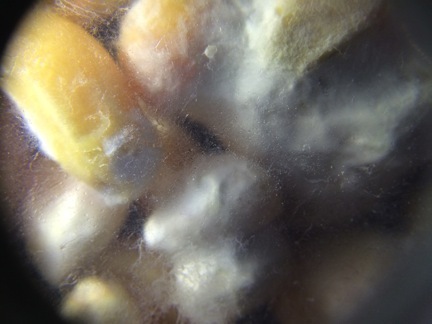
Chemical preservatives are often used to reduce grain spoilage due to mold, but can have harmful heath and environmental effects. In this study, the authors tested three low toxic compounds for their effects on mold growth on corn kernels and found that all three were successful at slowing growth.
Read More...Improper storage of sunscreen might decrease effectiveness
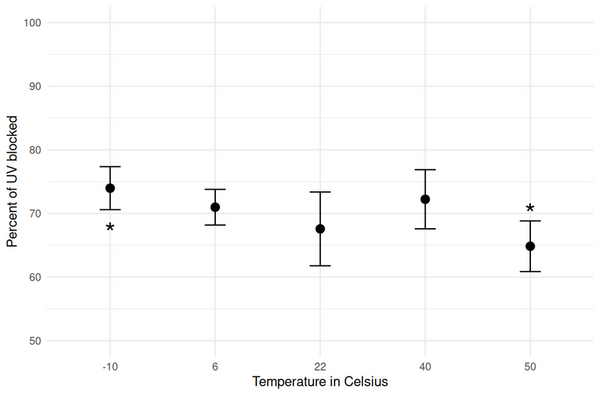
This study explored sunscreen storage temperature affects the efficacy of sunscreen to block UV light.
Read More...The Mount Laurel doctrine: A case study in housing affordability and the labor market in New Jersey
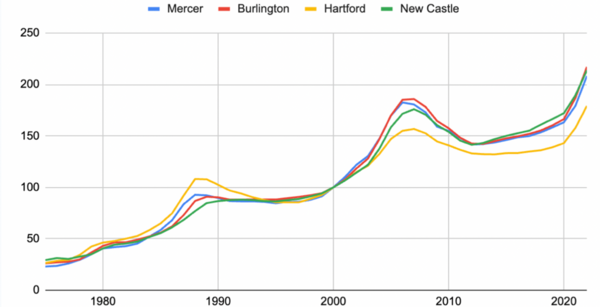
The authors explored the effects of the Mount Laurel Doctrine on housing affordability, unemployment rate, and civilian labor force in Burlington County, New Jersey compared to nearby counties.
Read More...Demographic indicators of voter shift between 2016 and 2020 presidential elections

In this study, the authors investigate the demographic indicators for voter shift between the 2016 and 2020 presidential elections based on demographic data put through a K-nearest neighbors classification algorithm and Principal Component Analysis.
Read More...Fire and dry grass: Effects of Pennisetum villosum on a California native, Nassella pulchra, in drought times
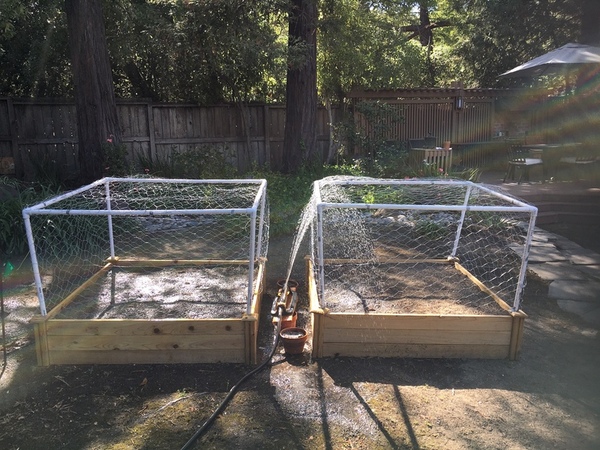
Invasive species pose a significant threat to many ecosystems, whether by outcompeting native species and disturbing food webs, or through increasing risks of natural disasters like flooding and wildfires. The ornamental grass species Pennisetum villosum R. Br. was previously identified by the California Invasive Plant Council as being potentially invasive; this experiment was conducted to determine if P. villosum displays characteristics of an invasive species when grown in a California chaparral environment. Reults found that in both conditions, the two species had similar germination rates, and that P. villosum grew significantly larger than N. pulchra for around 95 days.
Read More...The Effect of Sunglass Price on Ocular Exposure to Ultraviolet Radiation
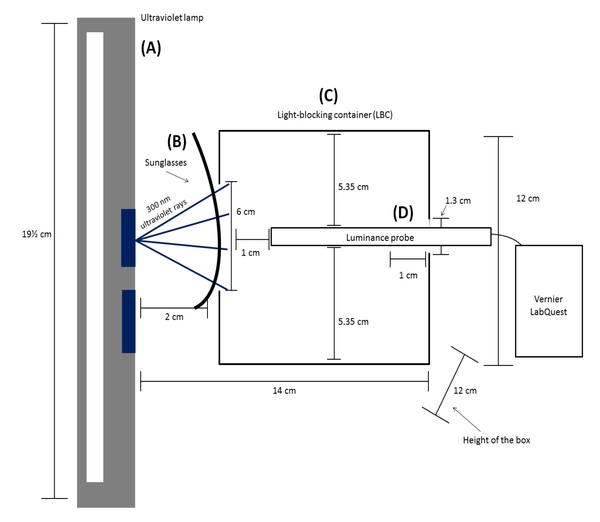
Wearing sunglasses may offer protection against the negative health outcomes linked to exposure to ultraviolet waves. In this study, the authors test whether more expensive sunglasses offer better UV protection.
Read More...