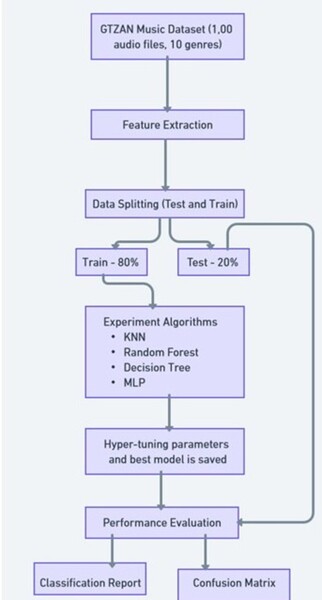
The authors looked at how the length of an audio clip used of a song impacted the ability to properly classify it by musical genre.
Read More...Impact of length of audio on music classification with deep learning
The authors looked at how the length of an audio clip used of a song impacted the ability to properly classify it by musical genre.
Read More...Temporal characterization of electroencephalogram slowing activity types
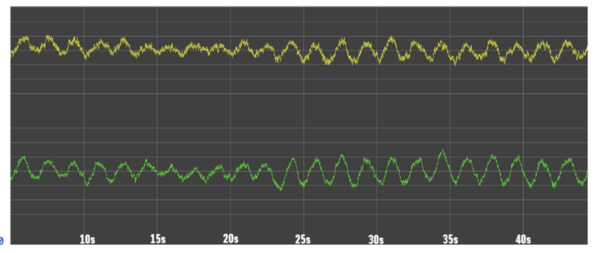
The authors use machine learning to analyze electroencephalogram data and identify slowing patterns that can indicate undetected disorders like epilepsy or dementia
Read More...Convolutional neural network-based analysis of pediatric chest X-ray images for pneumonia detection
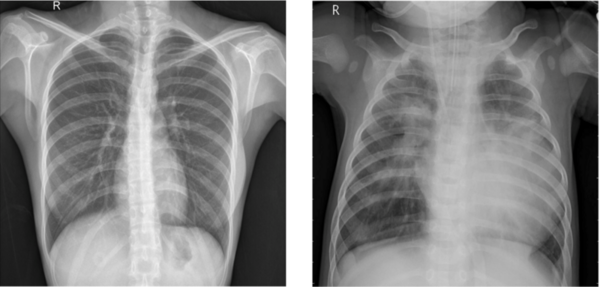
The authors test various machine learning models to improve the accuracy and efficiency of pneumonia diagnosis from X-ray images.
Read More...Using broad health-related survey questions to predict the presence of coronary heart disease
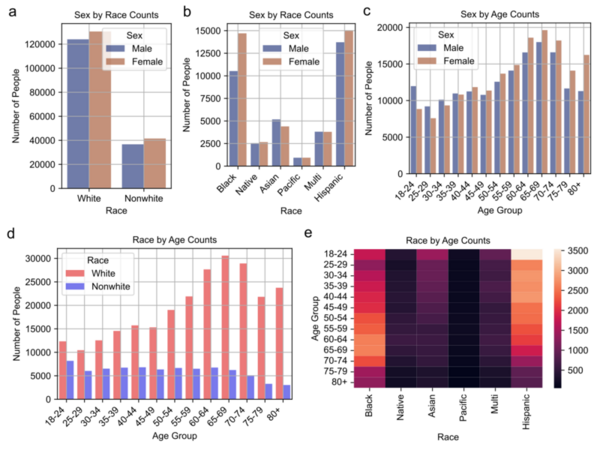
Coronary heart disease (CHD) is the leading cause of death in the U.S., responsible for nearly 700,000 deaths in 2021, and is marked by artery clogging that can lead to heart attacks. Traditional prediction methods require expensive clinical tests, but a new study explores using machine learning on demographic, clinical, and behavioral survey data to predict CHD.
Read More...A HOG feature extraction and CNN approach to Parkinson’s spiral drawing diagnosis
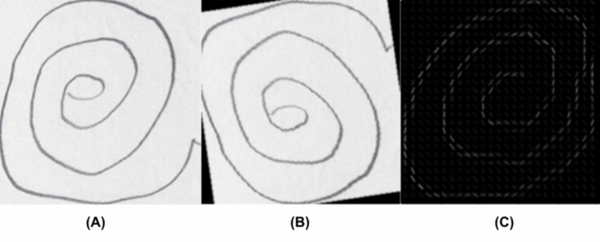
Parkinson’s disease (PD) is a prevalent neurodegenerative disorder in the U.S., second only to Alzheimer’s disease. Current diagnostic methods are often inefficient and dependent on clinical exams. This study explored using machine and deep learning to enhance PD diagnosis by analyzing spiral drawings affected by hand tremors, a common PD symptom.
Read More...The effect of activation function choice on the performance of convolutional neural networks

With the advance of technology, artificial intelligence (AI) is now applied widely in society. In the study of AI, machine learning (ML) is a subfield in which a machine learns to be better at performing certain tasks through experience. This work focuses on the convolutional neural network (CNN), a framework of ML, applied to an image classification task. Specifically, we analyzed the performance of the CNN as the type of neural activation function changes.
Read More...Statistical models for identifying missing and unclear signs of the Indus script
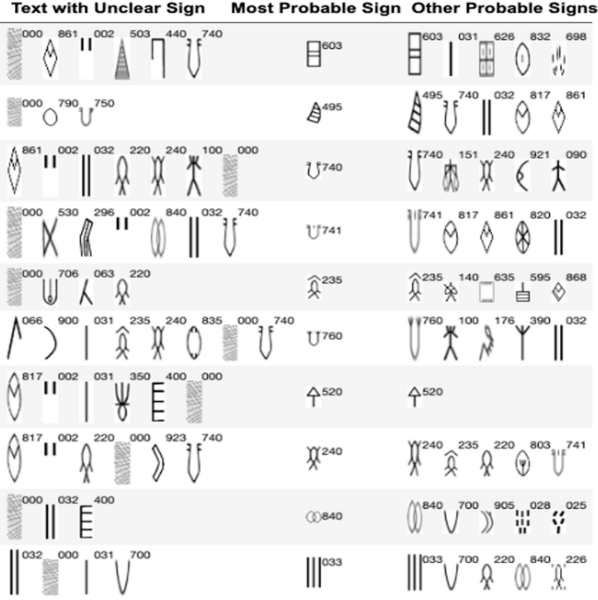
This study utilizes machine learning models to predict missing and unclear signs from the Indus script, a writing system from an ancient civilization in the Indian subcontinent.
Read More...A natural language processing approach to skill identification in the job market
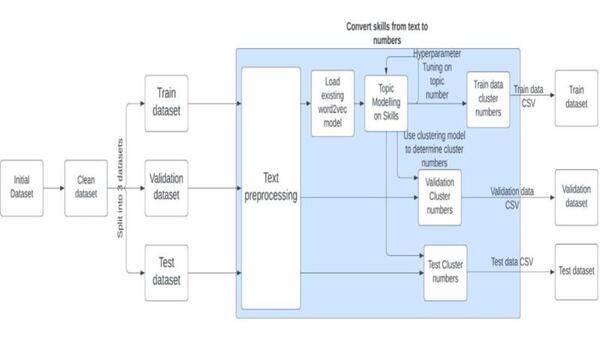
The authors looked at using machine learning to identify skills needed to apply for certain jobs, specifically looking at different techniques to parse apart the text. They found that Bidirectional Encoder Representation of Transforms (BERT) performed best.
Read More...Battling cultural bias within hate speech detection: An experimental correlation analysis
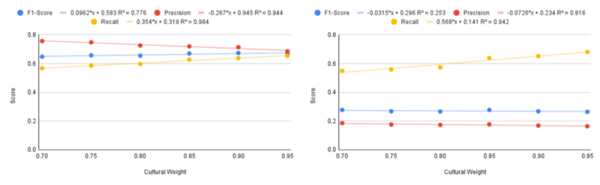
The authors develop a new method for training machine learning algorithms to differentiate between hate speech and cultural speech in online platforms.
Read More...Predicting college retention rates from Google Street View images of campuses
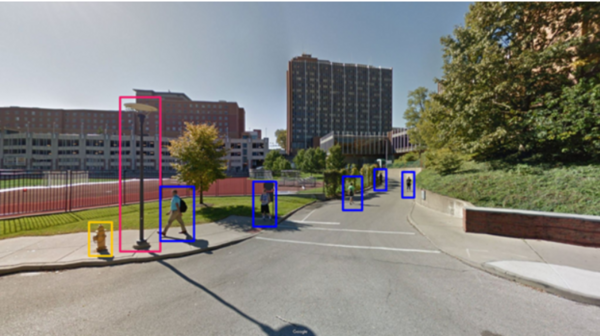
Every year, around 40% of undergraduate students in the United States discontinue their studies, resulting in a loss of valuable education for students and a loss of money for colleges. Even so, colleges across the nation struggle to discover the underlying causes of these high dropout rates. In this paper, the authors discuss the use of machine learning to find correlations between the built environment factors and the retention rates of colleges. They hypothesized that one way for colleges to improve their retention rates could be to improve the physical characteristics of their campus to be more pleasing. The authors used image classification techniques to look at images of colleges and correlate certain features like colors, cars, and people to higher or lower retention rates. With three possible options of high, medium, and low retention rates, the probability that their models reached the right conclusion if they simply chose randomly was 33%. After finding that this 33%, or 0.33 mark, always fell outside of the 99% confidence intervals built around their models’ accuracies, the authors concluded that their machine learning techniques can be used to find correlations between certain environmental factors and retention rates.
Read More...