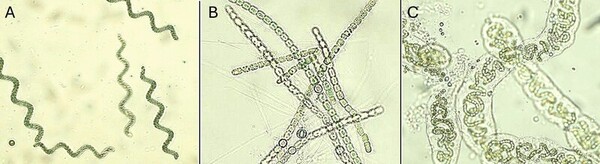
The authors test symbiotic relationships among cyanobacteria species to generate more robust cultures for potential biofuel production.
Read More...Optimizing Arthrospira platensis growth for biofuel production via symbiosis between cyanobacteria strains
The authors test symbiotic relationships among cyanobacteria species to generate more robust cultures for potential biofuel production.
Read More...Pressure and temperature influence the efficacy of metal-organic frameworks for carbon capture and conversion
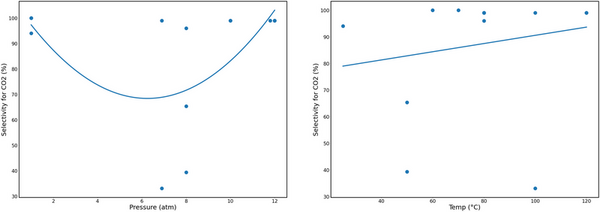
Metal-organic frameworks (MOFs) are promising new nanomaterials for use in the fight against climate change that can efficiently capture and convert CO2 to other useful carbon products. This research used computational models to determine the reaction conditions under which MOFs can more efficiently capture and convert CO2. In a cost-efficient manner, this analysis tested the hypothesis that pressure and temperature affect the efficacy of carbon capture and conversion, and contribute to understanding the optimal conditions for MOF performance to improve the use of MOFs for controlling greenhouse CO2 emissions.
Read More...Correlating inlet gas composition to conversion efficiency in plasma-assisted landfill gas reforming
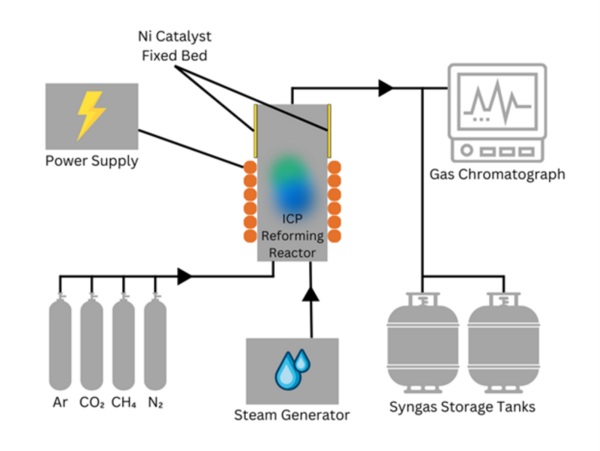
The escalating crisis of climate change, driven by the accumulation of greenhouse gases from human activities, demands urgent and innovative solutions to curb rising global temperatures. Plasma-based methane (CH4) and carbon dioxide (CO2) reforming offers a promising pathway for carbon capture and the sustainable production of hydrogen fuel and syngas components. To advance this technology, particularly in terms of energy efficiency and selectivity, it is essential to enhance the conversion efficiencies of CO2 and CH4.
Read More...Investigating Hydrogen as a Potential Alternative to Kerosene in Fueling Commercial Aircraft
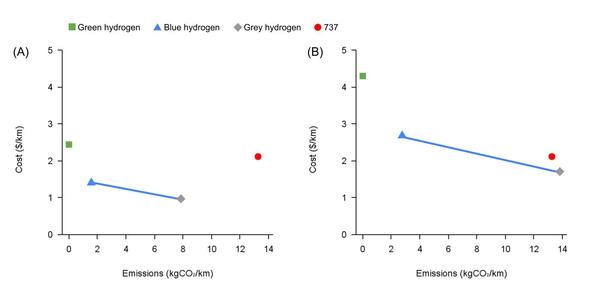
Growing climate concerns have intensified research into zero-emission transportation fuels, notably hydrogen. Hydrogen is considered a clean fuel because its only major by-product is water. This project analyzes how hydrogen compares to kerosene as a commercial aircraft fuel with respect to cost, CO2 emissions, and flight range.
Read More...Managing CO2 levels through precipitation-based capture from seawater and electrochemical conversion
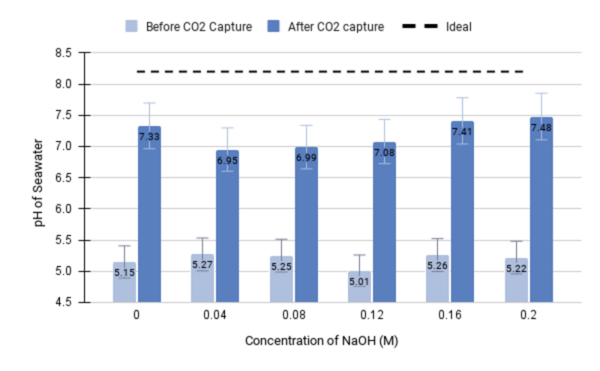
The authors set out to develop an electrochemical device that would have efficient and sustained carbon dioxide capture.
Read More...Use of drone with sodium hydroxide carriers to absorb carbon dioxide from ambient air
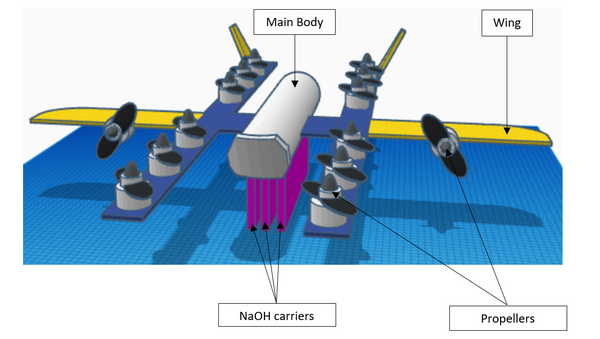
In this study, the authors address the current climate concern of high CO2 levels by testing solid forms of hydroxide for CO2 reduction and designing a drone to fly it in ambient air!
Read More...The Dependence of CO2 Removal Efficiency on its Injection Speed into Water
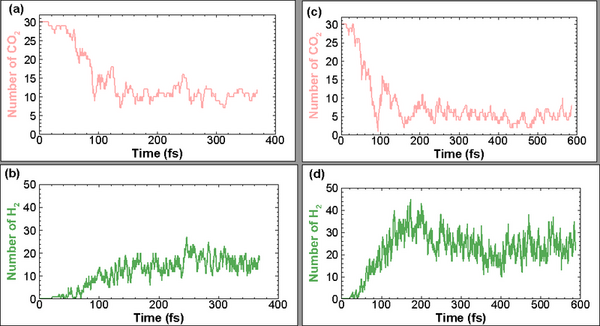
Recent research confirms that climate change, driven by CO2 emissions from burning fossil fuels, poses a significant threat to humanity. In response, authors explore methods to remove CO2 from the atmosphere, including breaking its molecular bonds through high-speed collisions.
Read More...Analyzing carbon dividends’ impact on financial security via ML & metaheuristic search
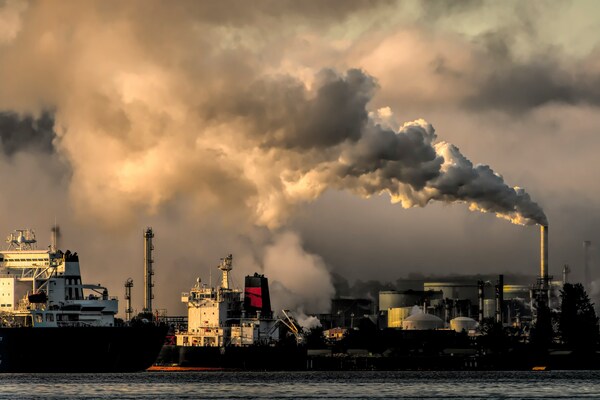
Impact of carbon tax and dividend on financial security
Read More...Effect of Different Growth Media on Algae’s Ability for Carbon Dioxide Biofixation
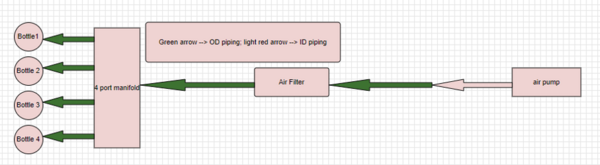
In this study, the authors investigate the effects of different algal growth media on algae's ability to perform carbon dioxide biofixation, or utilize carbon dioxide by fixing it into fatty acids within the cells. More specifically, carbon dioxide biofixation of Chlorella vulgaris was cultured in one of four media options and carbon dioxide was measured and compared to controls. The study results demonstrated that the use of media can enhance algae's capacity for biofixation and this has important implications for developing methods to reduce carbon dioxide in the environment.
Read More...Impact of Silverado Fire on soil carbon
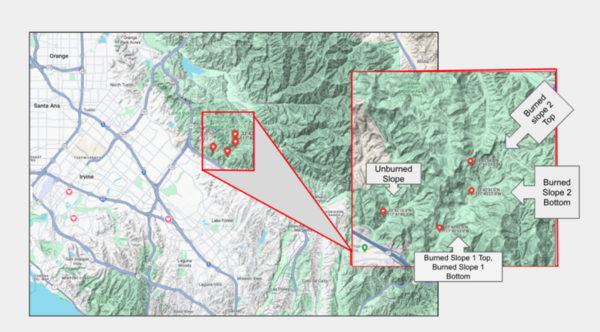
Soil stores three times more carbon than the atmosphere, making small changes in its storage and release crucial for carbon cycling and climate models. This study examined the impact of the 2020 California Silverado Fire on pyrogenic carbon (PyC) deposits using nitrogen and carbon isotopes as proxies. While the results showed significant variability in δ¹⁵N, δ¹³C, total carbon, and total nitrogen across sites, they did not support the hypothesis that wildfire increases δ¹⁵N while keeping δ¹³C constant, emphasizing the need for location-based controls when using δ¹⁵N to track PyC.
Read More...