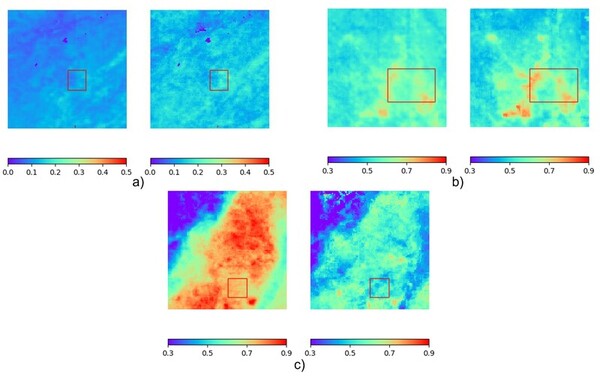
In this study, the authors use aerosol optical depth data to determine if aerosol levels were lower in major metropolitan areas around the world during the COVID-19 pandemic.
Read More...Analyzing aerosol variation during the COVID-19 pandemic lockdown using satellite data
In this study, the authors use aerosol optical depth data to determine if aerosol levels were lower in major metropolitan areas around the world during the COVID-19 pandemic.
Read More...Comparing the performance of lateral control algorithms on long rigid vehicles in urban environments
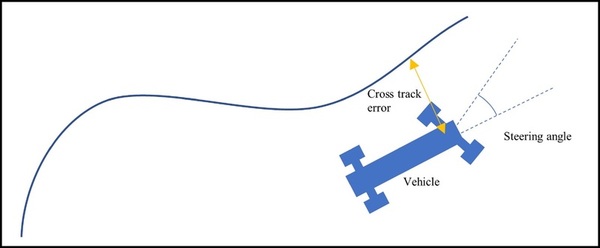
Here, seeking to better understand the control algorithms used in autonomous vehicles, the authors compared the Stanley and pure pursuit control algorithms along with a new version of each. Unexpectedly, they found that no control algorithm offered optimal performance, but rather resulted in tradeoffs between the various ideal results.
Read More...Contrast-Enhanced Magnetic Resonance Imaging at Earth’s Magnetic Field Using Trace Gd3+ and Ho3+ Salts
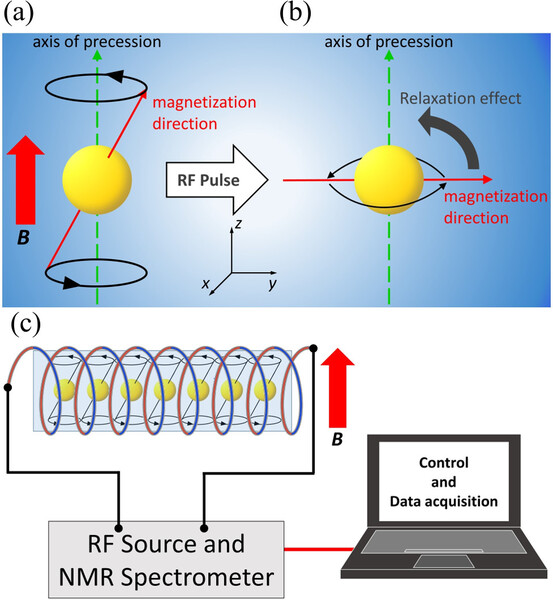
In this study, the authors explore contrast-enhanced magnetic resonance imaging at Earth's field.
Read More...Quantitative analysis and development of alopecia areata classification frameworks
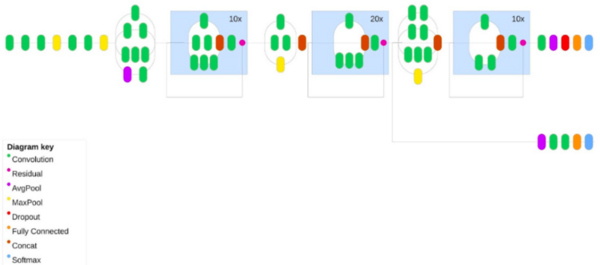
This article discusses Alopecia areata, an autoimmune disorder causing sudden hair loss due to the immune system mistakenly attacking hair follicles. The article introduces the use of deep learning (DL) techniques, particularly convolutional neural networks (CNN), for classifying images of healthy and alopecia-affected hair. The study presents a comparative analysis of newly optimized CNN models with existing ones, trained on datasets containing images of healthy and alopecia-affected hair. The Inception-Resnet-v2 model emerged as the most effective for classifying Alopecia Areata.
Read More...Analyzing relationships and distribution between age, sex, and eye disease at IGMCH eye OPD
This study analyzed patient demographics in the ophthalmology department at Indira Gandhi Medical College and Hospital (IGMCH) to assess relationships between age, sex, and eye conditions. While the overall sex distribution was equal, individual conditions varied, with cataracts and retinal disorders more common in males and conjunctival conditions slightly more prevalent in females, though none were statistically significant (p > 0.05) except for cataract patients aged 50–89 (p < 0.001). Understanding these trends can help medical facilities allocate resources more effectively for improved patient care.
Read More...The Role of Temporal Lobe Epilepsy in Cardiac Structure and Function
Cardiac autonomic and structural changes may occur in temporal lobe epilepsy patients and contribute to the risk of sudden unexpected death in epilepsy patients. Choi and colleagues reviewed clinical charts to obtain patients’ lifetime seizure count, antiepileptic drug use, and history of heart disease, followed by transthoracic echocardiogram to calculate left ventricle dimensions, ejection fraction, and left ventricle mass. By comparing epilepsy patients to control subjects, they found that epilepsy patients had thinner left ventricle walls and smaller ejection fraction, but with no significant difference in left ventricle mass.
Read More...In silico design of novel acetylcholinesterase inhibitors as potential therapeutics for Alzheimer's disease
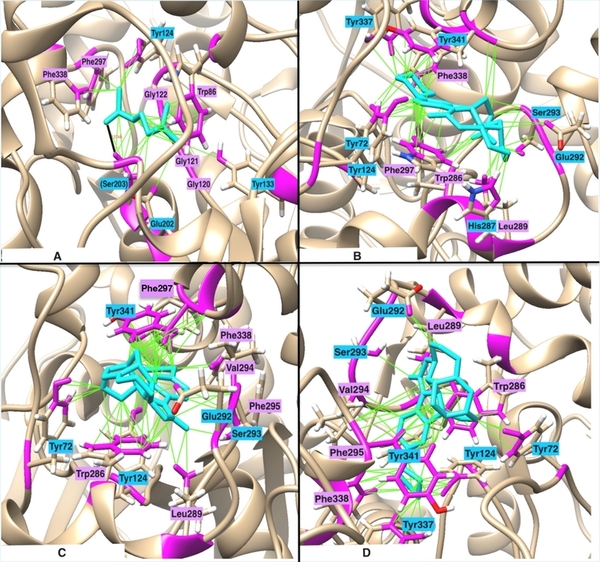
Elevated acetylcholinesterase (AChE) activity contributes to cognitive decline and neurodegenerative diseases such as Alzheimer’s, motivating the search for more effective inhibitors with better bioavailability. This study used computational methods to design novel, non-toxic AChE inhibitors.
Read More...Quantitatively evaluating changes in art critique journals’ use of moral language across time
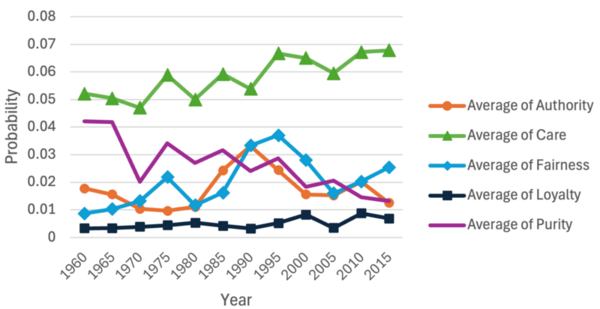
The authors use MoralBERT, a BERT-based machine learning model, to analyze the prevalence and evolution of moral language in art critique journals from 1960 to 2015. They draw on Moral Foundations Theory to examine changes in five virtue and five vice foundations over time. They discover slight increases in degradation and care and a decrease in purity among otherwise stable patterns. The study is a novel application of computational moral analysis in a domain not typically associated with such tools. Although the moral signals were relatively faint, the study offers insights into shifting art world discourses and models an exciting method for future inquiry.
Read More...Artificial intelligence face-tracking for a semi-virtual reality gaming experience

The authors studied the impact of AI face-tracking technology on the immersiveness of videogames as an alternative to virtual reality gaming.
Read More...Trust in the use of artificial intelligence technology for treatment planning
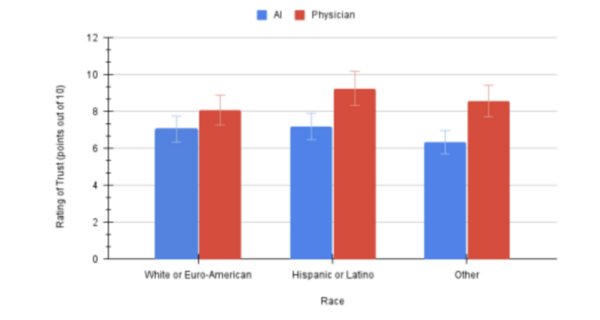
As AI becomes more integrated into healthcare, public trust in AI-developed treatment plans remains a concern, especially for emotionally charged health decisions. In a study of 81 community college students, AI-created treatment plans received lower trust ratings compared to physician-developed plans, supporting the hypothesis. The study found no significant differences in AI trust levels across demographic factors, suggesting overall skepticism toward AI-driven healthcare.
Read More...