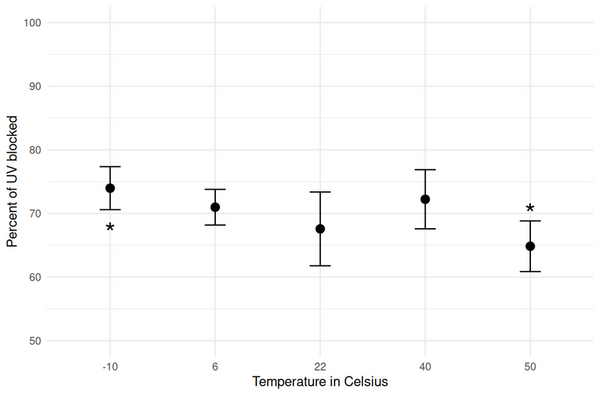
This study explored sunscreen storage temperature affects the efficacy of sunscreen to block UV light.
Read More...Improper storage of sunscreen might decrease effectiveness
This study explored sunscreen storage temperature affects the efficacy of sunscreen to block UV light.
Read More...Effectiveness of different fabrics in protecting from ultraviolet rays
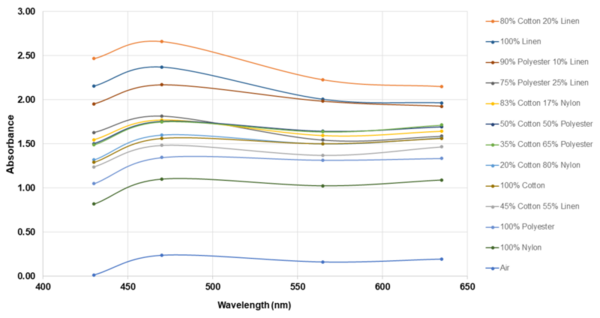
The authors looked at how different blends of synthetic and non-synthetic fabrics protected against UV radiation.
Read More...Differential physiological response of microalgae exposed to petroleum- and bio-based microplastics
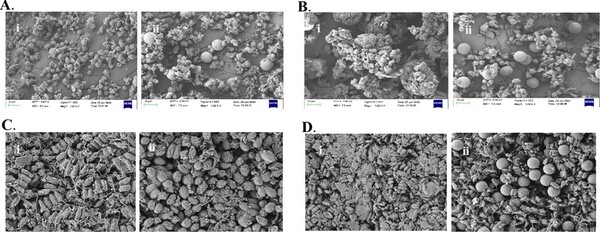
The authors test the effect of petroleum-based and bio-based microplastics on the growth of two microalgae species.
Read More...Protective effect of bromelain and pineapple extracts on UV-induced damage in human skin cells
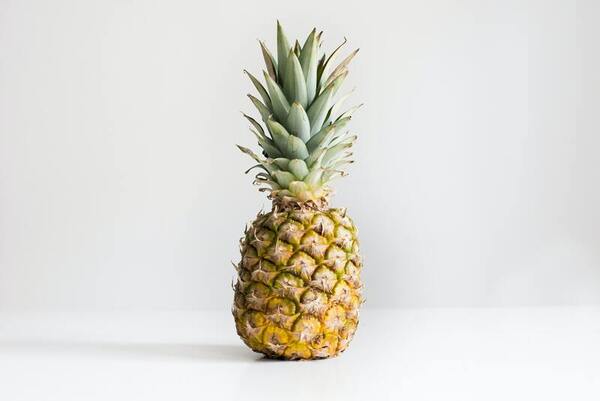
In this study, the authors tested whether the compound bromelain extracted from pineapples could protect skin cells from UV damage.
Read More...Examining cognitive differences between experienced and novice entrepreneurs
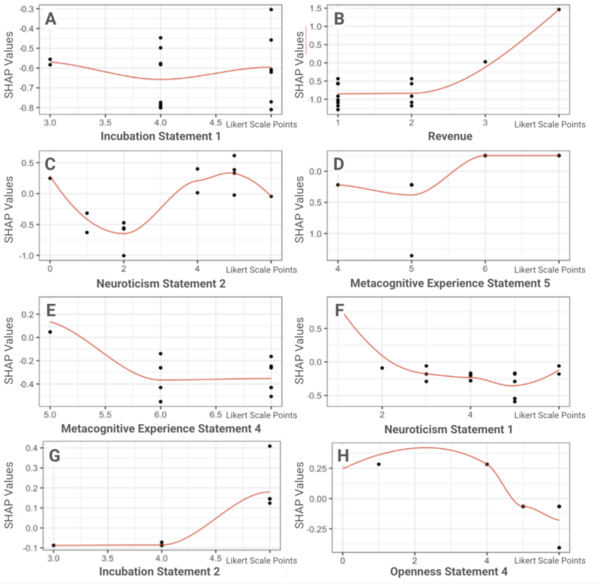
This study used surveys, interviews, and XGBoost analysis to examine how experienced and novice entrepreneurs differ in their thinking and decision-making.
Read More...Tree-Based Learning Algorithms to Classify ECG with Arrhythmias
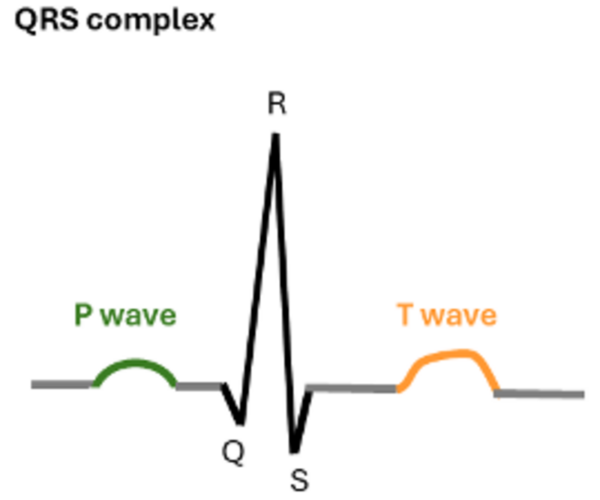
Arrhythmias vary in type and treatment, and ECGs are used to detect them, though human interpretation can be inconsistent. The researchers tested four tree-based algorithms (gradient boosting, random forest, decision tree, and extra trees) on ECG data from over 10,000 patients.
Read More...Prediction of diabetes using supervised classification
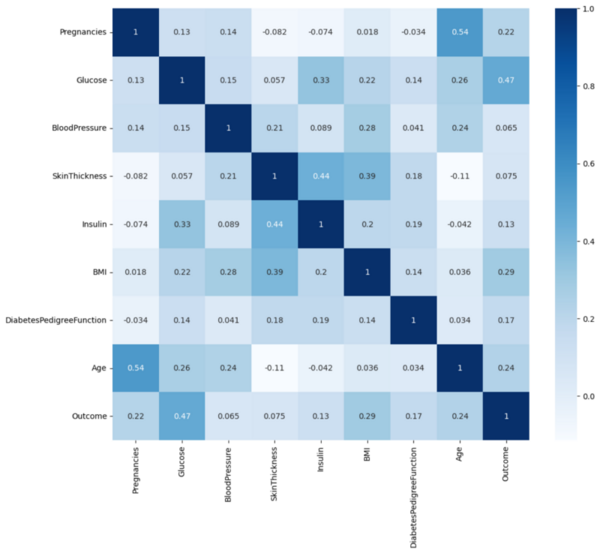
The authors develop and test a machine learning algorithm for predicting diabetes diagnoses.
Read More...The Effects of Atmospheric Attenuation on Cosmic Ray Muons: How is Surface Level Cosmic Ray Muon Flux Affected by Atmospheric Attenuation?
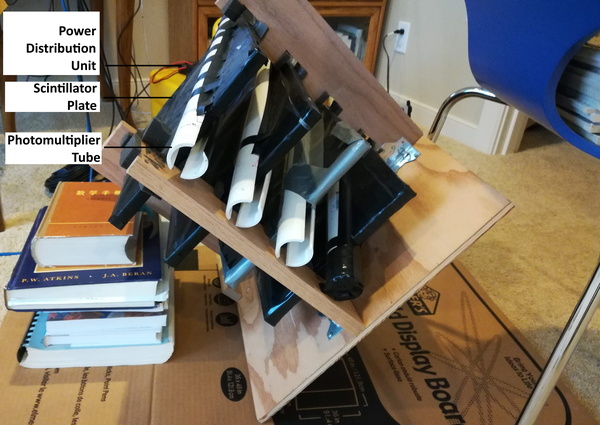
Cosmic rays are high-energy astronomical particles originating from various sources across the universe. Here, The authors sought to understand how surface-level cosmic-ray muon flux is affected by atmospheric attenuation by measuring the variation in relative muon-flux rate relative to zenith angle, testing the hypothesis that muons follow an exponential attenuation model. The attenuation model predicts an attenuation length of 6.3 km. This result implies that only a maximum of 24% of muons can reach the Earth’s surface, due to both decay and atmospheric interactions.
Read More...Comparative screening of dose-dependent and strain-specific antimicrobial efficacy of berberine against a representative library of broad-spectrum antibiotics
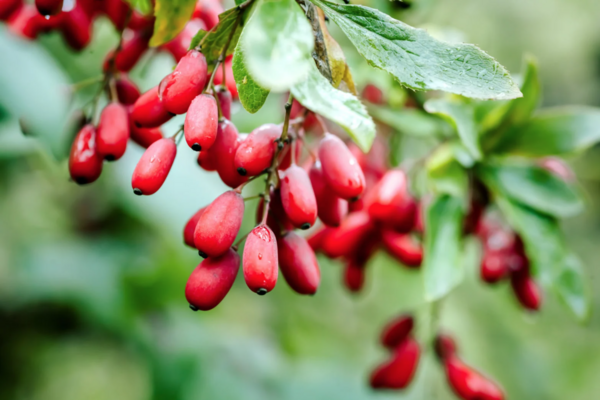
We hypothesize that berberine has broad-spectrum antibacterial properties, along with potency that is comparable to current broad-spectrum antibiotics that are commercially available. Here, we screened berberine against four strains of bacteria and evaluated its antimicrobial activity against five broad-spectrum antibiotics from different classes to better quantify berberine’s antibacterial activity and compare its efficacy as an antibacterial agent to the broad-spectrum antibiotics. Our results indicated that berberine had strain-selective cytotoxic effects and was significantly less potent than most of the broad-spectrum antibiotics
Read More...Computational Structure-Activity Relationship (SAR) of Berberine Analogs in Double-Stranded and G-Quadruplex DNA Binding Reveals Both Position and Target Dependence
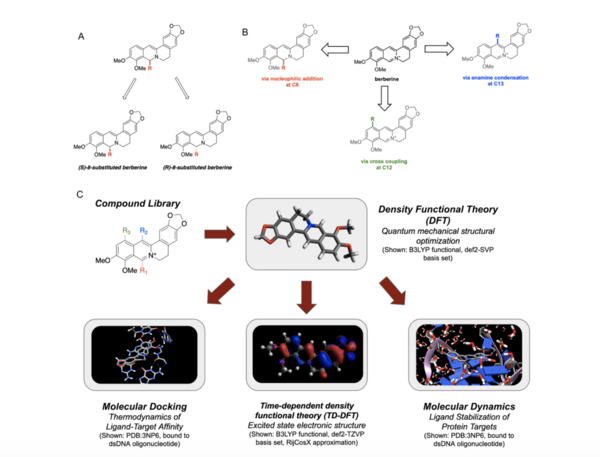
Berberine, a natural product alkaloid, and its analogs have a wide range of medicinal properties, including antibacterial and anticancer effects. Here, the authors explored a library of alkyl or aryl berberine analogs to probe binding to double-stranded and G-quadruplex DNA. They determined that the nature of the substituent, the position of the substituent, and the nucleic acid target affect the free energy of binding of berberine analogs to DNA and G-quadruplex DNA, however berberine analogs did not result in net stabilization of G-quadruplex DNA.
Read More...