In this study, the authors determine optimal pH levels for maximizing isopropanol degradation in water. This has important applications for cleaning up polluted wastewater in the environment.
Read More...Optimal pH for indirect electrochemical oxidation of isopropyl alcohol with Ru-Ti anode and NaCl electrolyte
In this study, the authors determine optimal pH levels for maximizing isopropanol degradation in water. This has important applications for cleaning up polluted wastewater in the environment.
Read More...Testing Various Synthetic and Natural Fiber Materials for Soundproofing
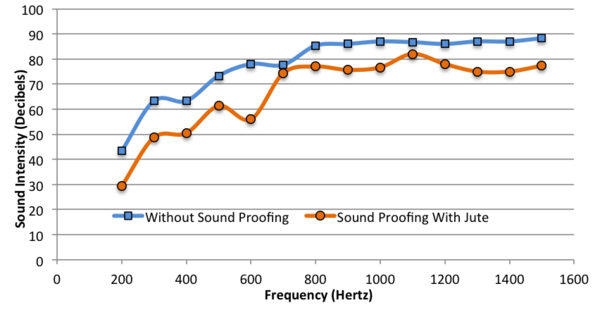
Noise pollution negatively impacts the health and behavioral routines of humans and other animals, but the production of synthetic sound-absorbing materials contributes to harmful gas emissions into the atmosphere. The authors of this paper investigated the effectiveness of environmentally-friendly, cheap natural-fiber materials, such as jute, as replacements for synthetic materials, such as gypsum and foam, in soundproofing.
Read More...Development of Two New Efficient Means of Wastewater Treatment
The water we use must be treated and cleaned before we release it back into the environment. Here, the authors investigate two new techniques for purifying dissolved impurities from waste water. Their findings may give rise to more cheaper and more efficient water treatment and help keep the planet greener.
Read More...A potential enzymatic pathway for polystyrene degradation using saliva of greater wax moth Galleria mellonella
Investigation of the potential of waxworm saliva, the secretion of Galleria mellonella, for plastic degradation.
Read More...Copper nanoparticle synthesis using Picea glauca ‘Conica’
The authors propose a method to recycle Christmas tree needles into a non-toxic reducing agent for synthesizing copper nanoparticles.
Read More...Managing CO2 levels through precipitation-based capture from seawater and electrochemical conversion
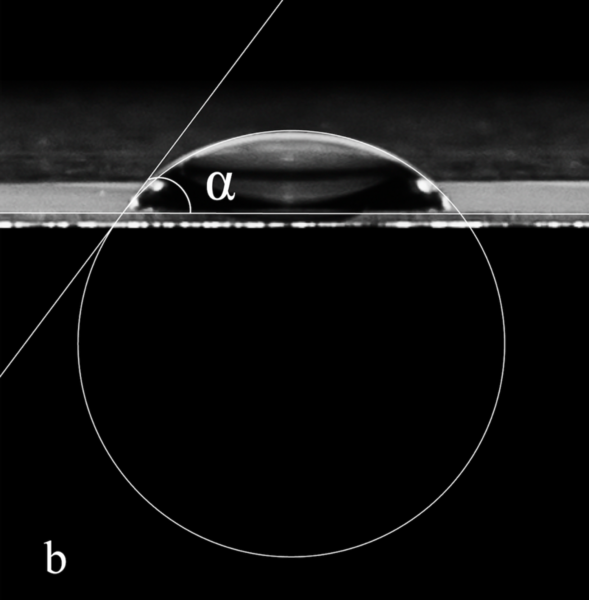
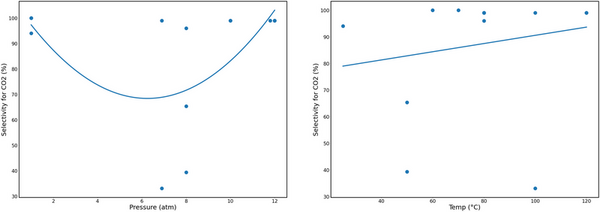
The authors set out to develop an electrochemical device that would have efficient and sustained carbon dioxide capture.
Read More...Banana-based Biofuels for Combating Climate Change: How the Composition of Enzyme Catalyzed Solutions Affects Biofuel Yield
The authors investigate whether amylase or yeast had a more prominent role in determining the bioethanol concentration and bioethanol yield of banana samples. They hypothesized that amylase would have the most significant impact on the bioethanol yield and concentration of the samples. They found that while yeast is an essential component for producing bioethanol, the proportion of amylase supplied through a joint amylase-yeast mixture has a more significant impact on the bioethanol yield. This study provides a greater understanding of the mechanisms and implications involved in enzyme-based biofuel production, specifically of those pertaining to amylase and yeast.
Read More...The Effects of L-glutamate, L-glutamine, and L-aspartic Acid on the Amylase Production of E. coli Transformed With pAmylase
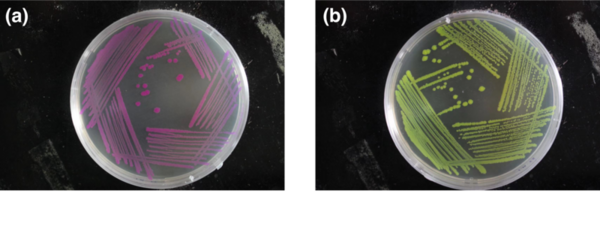
Human amylase is important to digestion and has broad applications for therapeutic use in patients with pancreatic insufficiency. The authors present a method to increase amylase production in E. coli by adding the amino acids L-glutamate and L-glutamine.
Read More...Variations in Heat Absorption and Release of Earth Surfaces During Fall in Laramie, Wyoming
Here the authors investigate the contributions of man-made surfaces in Laramie, Wyoming to the Urban Heat Island (UHI) effect. Heat absorption and release by five surfaces were measured in the autumn of 2018. By recording temperatures of man-made and natural surfaces at early morning, mid-afternoon, and evening using an infrared thermometer, the authors determined that man-made surfaces retained more heat in fall than natural surfaces.
Read More...Differences in Reliability and Predictability of Harvested Energy from Battery-less Intermittently Powered Systems
Solar and radio frequency harvesters serve as a viable alternative energy source to batteries in many cases where the battery cannot be easily replaced. Using specifically designed circuit models, the authors quantify the reliability of different harvested energy sources to identify the most practical and efficient forms of renewable energy.
Read More...