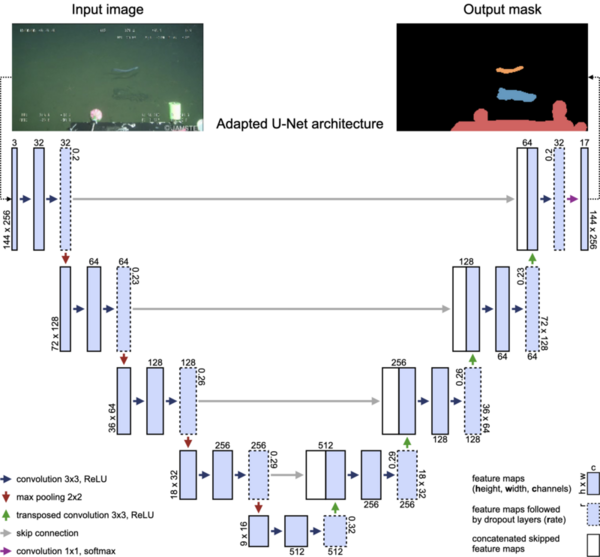
Plastic pollution in the ocean is a major global concern. Remotely Operated Vehicles (ROVs) have promise for removing debris from the ocean, but more research is needed to achieve full effectiveness of the ROV technology. Wahlig and Gonzales tackle this issue by developing a deep learning model to distinguish trash from the environment in ROV images.
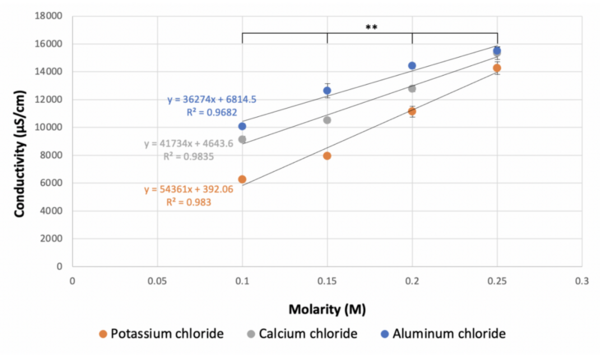
The authors looked at how molarity impacts the degree to which ionic compounds dissociate in solution. They found that lower molarities led to decreased conductivity of solutions in a manner that did not follow the theoretical predictions.
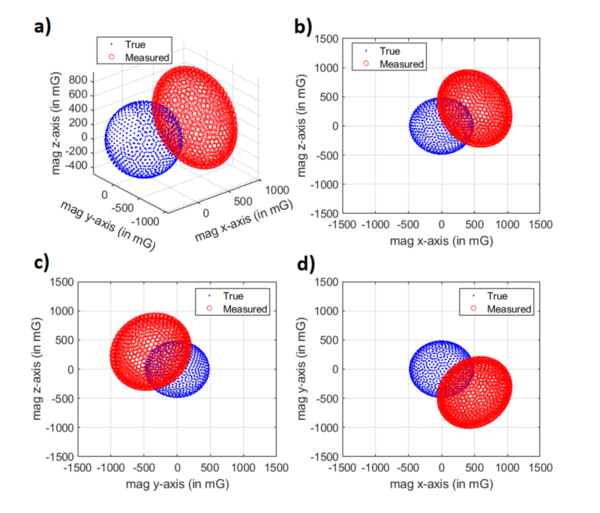
Digital compasses are essential in technology that we use in our everyday lives: phones, vehicles, and more. Li and Liu address the accuracy of these devices by presenting a new algorithm for accurately calibrating low-cost magnetometers.
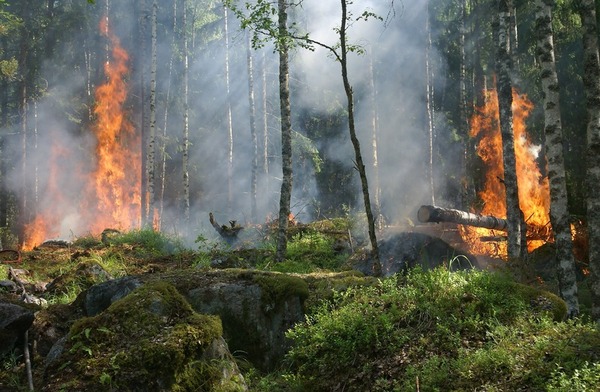
This study hypothesized that a machine learning model could accurately predict the severity of California wildfires and determine the most influential meteorological factors. It utilized a custom dataset with information from the World Weather Online API and a Kaggle dataset of wildfires in California from 2013-2020. The developed algorithms classified fires into seven categories with promising accuracy (around 55 percent). They found that higher temperatures, lower humidity, lower dew point, higher wind gusts, and higher wind speeds are the most significant contributors to the spread of a wildfire. This tool could vastly improve the efficiency and preparedness of firefighters as they deal with wildfires.
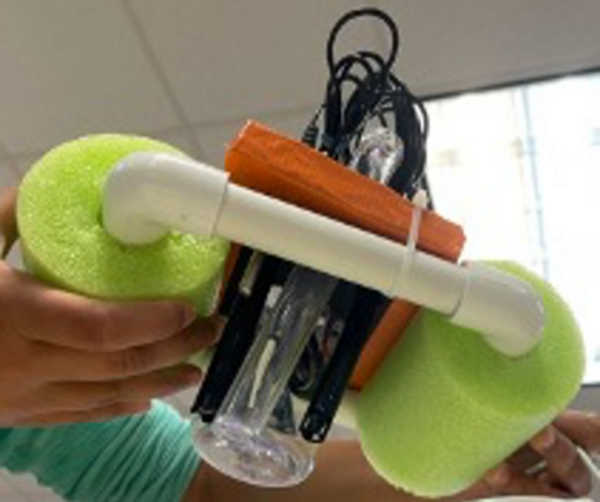
A bottleneck in deleting algal blooms is that current data section is manual and is reactionary to an existing algal bloom. These authors made a custom-designed Seek and Destroy Algal Mitigation System (SDAMS) that detects harmful algal blooms at earlier time points with astonishing accuracy, and can instantaneously suppress the pre-bloom algal population.
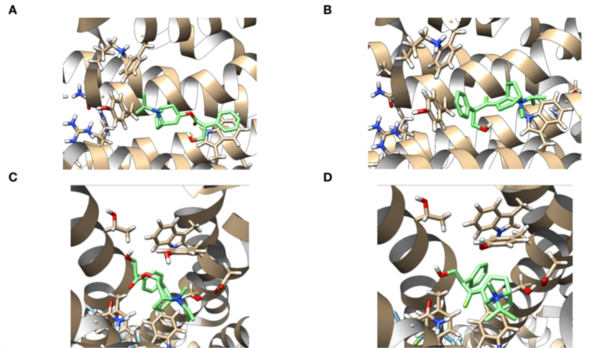
Anticholinergics are used in treating asthma, a chronic inflammation of the airways. These drugs block human M1 and M2 muscarinic acetylcholine receptors, inhibiting bronchoconstriction. However, studies have reported complications of anticholinergic usage, such as exacerbated eosinophil production and worsened urinary retention. Modification of known anticholinergics using bioisosteric replacements to increase efficacy could potentially minimize these complications. The present study focuses on identifying viable analogs of anticholinergics to improve binding energy to the receptors compared to current treatment options. Glycopyrrolate (G), ipratropium (IB), and tiotropium bromide (TB) were chosen as parent drugs of interest, due to the presence of common functional groups within the molecules, specifically esters and alcohols. Docking score analysis via AutoDock Vina was used to evaluate the binding energy between drug analogs and the muscarinic acetylcholine receptors. The final results suggest that G-A3, IB-A3, and TB-A1 are the most viable analogs, as binding energy was improved when compared to the parent drug. G-A4, IB-A4, IB-A5, TB-A3, and TB-A4 are also potential candidates, although there were slight regressions in binding energy to both muscarinic receptors for these analogs. By researching the effects of bioisosteric replacements of current anticholinergics, it is evident that there is a potential to provide asthmatics with more effective treatment options.
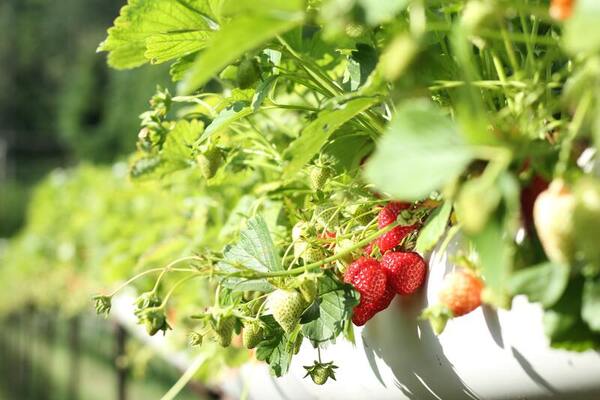
This study explored the various effects of three different produce-based biofertilizers on pea plant growth, using red apple, pear, strawberry, and control treatments. It was hypothesized that the application of fruit biomatter would increase the growth of pea plants, with the application of strawberry biomatter having the most significant effect due to strawberries containing a higher nutrient content compared to pears and apples. Analysis confirmed the hypothesis. The application of strawberry biomatter could prove to be an effective way to increase plant growth in commercial agriculture.
Here, seeking to better understand the effects of gadolinium-based contrast agents, dyes typically used for MRI scans, the authors evaluated the activity of catalase found in beef liver both with and without gadodiamide when exposed to hydrogen peroxide. They found that gadioamide did not significantly inhibit catalase's activity, attributing this lack of effects to the chelating agent found in gadodiamide.
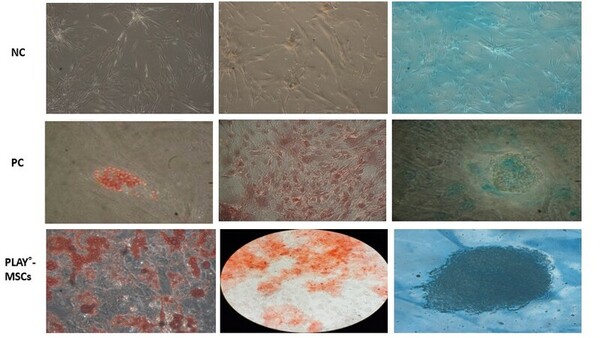
FBS is an important component in in vitro cell culture work, helping to provide needed nutrients to cells to grow. The authors look at the ability of an alternative to FBS to support cell growth in culture.
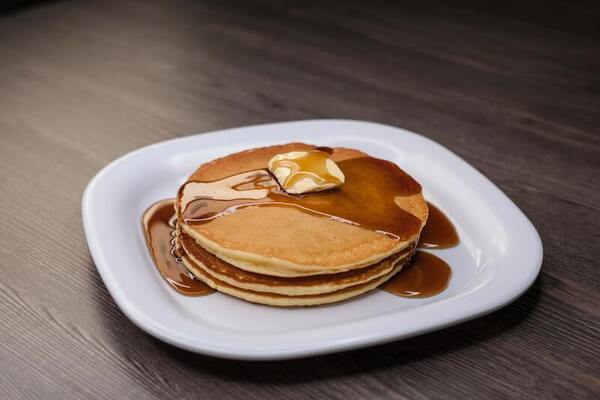
Here, seeking a better understanding of what determines the fluffiness of a pancake, the authors began by considering a chemical reaction that results in the production of carbon dioxide gas from recipe ingredients, specifically sodium bicarbonate or baking soda. The substitution of homemade buttermilk for milk and adding more baking soda was found to result in significantly fluffier pancakes.