%20final%202-5-23.jpg)
The authors looked at 5-FU resistant HeLa cells and the ability of an herbal extract to show anti-inflammatory properties.
Read More...The anticancer and anti-inflammatory effects of polyherbal drug AS20 on HeLa cells resistant to 5-Fluorouracil
The authors looked at 5-FU resistant HeLa cells and the ability of an herbal extract to show anti-inflammatory properties.
Read More...Modeling and optimization of epidemiological control policies through reinforcement learning

Pandemics involve the high transmission of a disease that impacts global and local health and economic patterns. Epidemiological models help propose pandemic control strategies based on non-pharmaceutical interventions such as social distancing, curfews, and lockdowns, reducing the economic impact of these restrictions. In this research, we utilized an epidemiological Susceptible, Exposed, Infected, Recovered, Deceased (SEIRD) model – a compartmental model for virtually simulating a pandemic day by day.
Read More...A novel in vitro blood-brain barrier model using 3D bioprinter: A pilot study
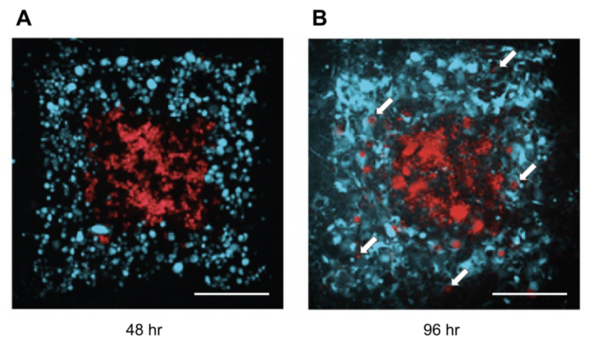
The authors looked at how a 3D bioprinter could be used to model the blood brain barrier.
Read More...Developing a wearable, skin-based triboelectric nanogenerator

The authors designed a system that runs off of body heat to track body temperature that could help prevent injuries that result from elevated body temperature.
Read More...Machine learning-based enzyme engineering of PETase for improved efficiency in plastic degradation
Here, recognizing the recognizing the growing threat of non-biodegradable plastic waste, the authors investigated the ability to use a modified enzyme identified in bacteria to decompose polyethylene terephthalate (PET). They used simulations to screen and identify an optimized enzyme based on machine learning models. Ultimately, they identified a potential mutant PETases capable of decomposing PET with improved thermal stability.
Read More...Effect of different cooking methods on the levels of iron and ascorbic acid in green vegetables
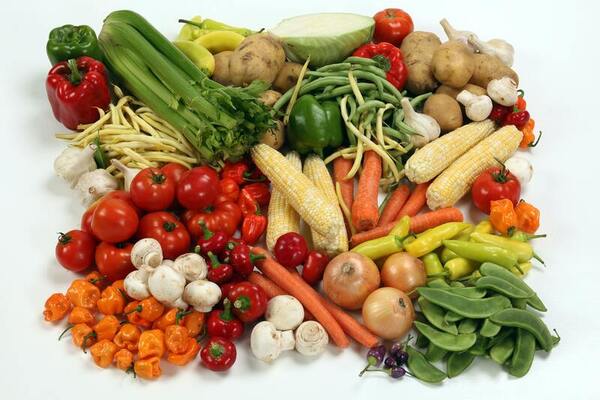
This study compares different methods for cooking vegetables to determine which retain iron and ascorbic acid, or vitamin C, levels the most.
Read More...Discovery of novel targets for diffuse large B-cell lymphoma
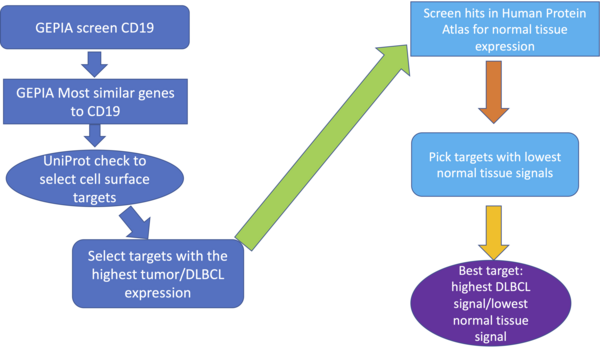
In this study, the authors identify new potential targets to treat advanced diffuse large B-cell lymphoma after treatment relapse and loss of CD19 expression.
Read More...The relationship between macroinvertebrates, water quality, and the health of Stevens Creek
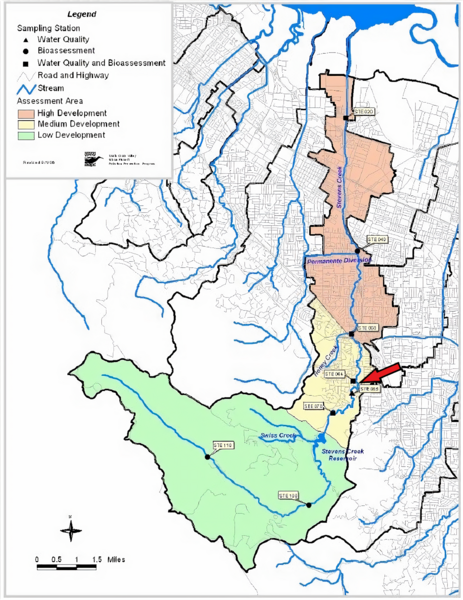
Stevens Creek, which flows through Santa Clara County in California, provides a crucial habitat for federally designated threatened steelhead trout, with a portion of the trout’s diet being dependent on the presence and abundance of macroinvertebrates that inhabit the creek. In this article, the authors investigate how the water chemistry within the creek was associated with the abundance and diversity of macroinvertebrates, and subsequently the creek’s health. They conduct qualitative analysis of macroinvertebrates and water quality to obtain a general understanding of the health of Stevens Creek.
Read More...The influence of remote learning on sleep patterns of teenagers

In this study, the authors investigate the effect of remote learning (due to the COVID-19 pandemic) on sleeping habits amongst teenagers in Ohio. Using survey results, sleep habits and attitudes toward school were assessed before and after the COVID-19 pandemic.
Read More...The effect of floating plant on water purification: Comparison of the water purification capability of Water Hyacinth, Duckweed, and Azolla
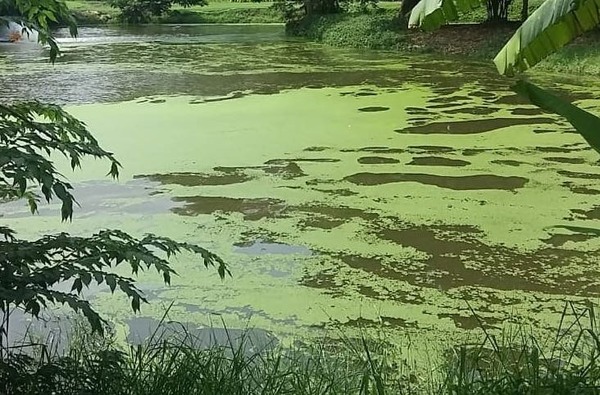
Clean water is a necessity for every household, yet water pollution is a serious problem in many parts of the world and plays a major role in compromising water security in the 21st century. In this paper, the authors address the utility of several plants as natural water purifiers. They estimate the effectiveness of duckweed, hyacinth, and azolla in improving the quality of water from the Mithi river in India by measuring several metrics. They conclude that all three plants are effective in improving water quality, suggesting that these plants as eco-friendly options for water treatment.
Read More...