Browse Articles

Using data science along with machine learning to determine the ARIMA model’s ability to adjust to irregularities in the dataset

Choudhary et al. | Jul 26, 2021

Using data science along with machine learning to determine the ARIMA model’s ability to adjust to irregularities in the dataset

Auto-Regressive Integrated Moving Average (ARIMA) models are known for their influence and application on time series data. This statistical analysis model uses time series data to depict future trends or values: a key contributor to crime mapping algorithms. However, the models may not function to their true potential when analyzing data with many different patterns. In order to determine the potential of ARIMA models, our research will test the model on irregularities in the data. Our team hypothesizes that the ARIMA model will be able to adapt to the different irregularities in the data that do not correspond to a certain trend or pattern. Using crime theft data and an ARIMA model, we determined the results of the ARIMA model’s forecast and how the accuracy differed on different days with irregularities in crime.

Read More...

Trajectories Between Cigarette Smoking and Electronic Nicotine Delivery System Use Among Adults in the U.S.

Primack et al. | Apr 30, 2020

Trajectories Between Cigarette Smoking and Electronic Nicotine Delivery System Use Among Adults in the U.S.

In this study, the authors characterized the trends of cigarette use amongst people who do and don't use electronic nicotine delivery systems (or ENDS). This was done to help determine if the use of ENDS is aiding in helping smokers quit, as the data on this has been controversial. They found that use of ENDS among people either with or without previous cigarette usage were more likely to continue using cigarettes in the future. This is important information contributing to our understanding of ways to effectively (and not effectively) reduce cigarette use.

Read More...

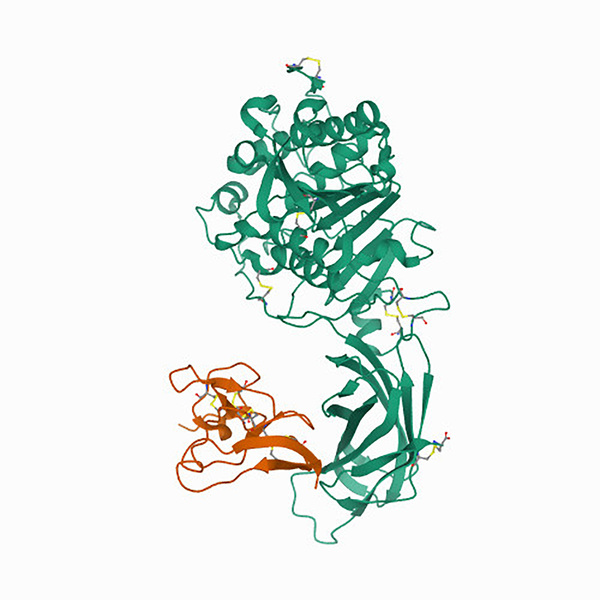
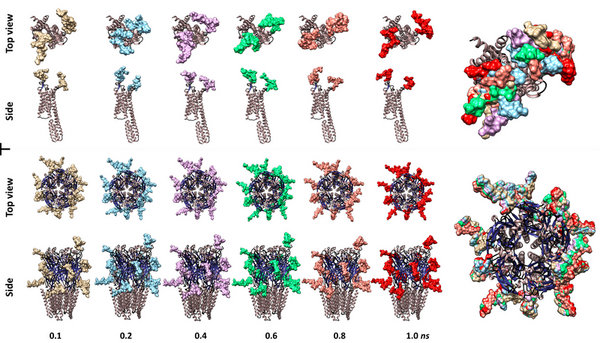
Investigating toxicity and antimicrobial properties of silver nanoparticles in Escherichia coli and Drosophila melanogaster

Ghosh et al. | Dec 01, 2025

Investigating toxicity and antimicrobial properties of silver nanoparticles in <em>Escherichia coli</em> and <em>Drosophila melanogaster</em>
Image credit: Ghosh and Hendricks

This paper looks at the antibacterial and toxic effects of silver nanoparticles (AgNPs) on Escherichia coli bacteria and Drosophila melanogaster fruit flies. They modified the AgNPs size, concentration, and surface coating to determine the effects on each of the organisms. For both organisms, increased AgNP concentration demonstrated increased toxicity but particle size and surface coating had opposing effects.

Read More...

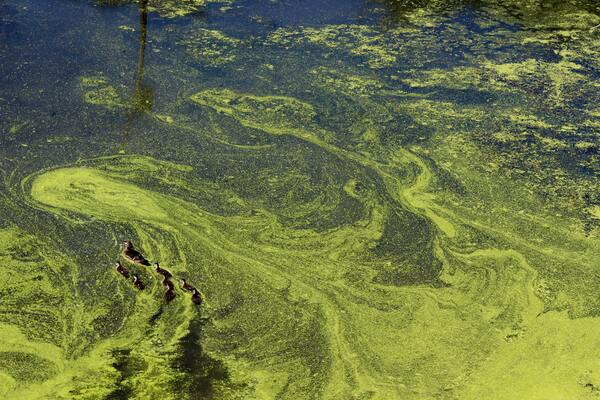
Estimating Paleoenvironments Utilizing Foraminiferal Fossils from the Toyohama Formation, Aichi Prefecture, Central Japan

Kimitsuki et al. | Dec 11, 2017

Estimating Paleoenvironments Utilizing Foraminiferal Fossils from the Toyohama Formation, Aichi Prefecture, Central Japan

Foraminifera are a diverse phylum of marine protists that produce elaborate shells. Because of their abundance and morphological diversity, foraminiferal fossil assemblages are used for biostratigraphy, to accurately date sedimentary rocks and to characterize past ocean environments. In this paper, authors collected fossils within the Morozaki Group in central Honshu, Japan, to assess past marine environments and species diversity.

Read More...

Mitigating skin color bias in dermatology AI using CycleGAN-based data augmentation

Kannan et al. | Jun 24, 2026

Mitigating skin color bias in dermatology AI using CycleGAN-based data augmentation
Image credit: Kannan and Ramasamy

This study investigates skin tone bias in artificial intelligence models used for dermatological disease classification and evaluates a CycleGAN-based data augmentation approach to improve diagnostic performance on darker skin types. We generated synthetic dark-skinned images to enhance dataset diversity and compared model performance before and after augmentation. The results demonstrate that augmentation with synthetic dermatological images can help reduce disparities in diagnostic performance across skin tones, highlighting a practical strategy for improving fairness in dermatology AI systems.

Read More...

Emotional and Psychological Effect of Music on People

Nolt et al. | Jan 03, 2019

Emotional and Psychological Effect of Music on People

Nolt and Elwonger examine how different types of music impact our emotional and physical states. They found that music can influence a subject's emotional state, with sad music inspiring sadness and exciting music bringing excitement. They were not able to find a clear relationship between heart rate and music type. Music's effect on emotional state can be useful when designing novel therapies for emotional and mental disorders.

Read More...

A Novel Approach to Prevent and Restrict Early Stages of Cancer Cell Growth Using a Combination of Moringa and Sesame in a Drosophila Model

Ganesh et al. | Sep 28, 2020

A Novel Approach to Prevent and Restrict Early Stages of Cancer Cell Growth Using a Combination of Moringa and Sesame in a <em>Drosophila</em> Model

Sesame (Sesamum indicum) and moringa (Moringa oleifera) have natural antioxidants that could prevent cancer growth. Previously, this group found that sesame and moringa individually suppress eye tumor grown in the Drosophila melanogaster model. In the present study, combinations of sesame and moringa at different concentrations were included in the D. melanogaster diet. The impact on eye tumor development was assessed at different stages of growth.

Read More...

Analysis of electrodialysis as a method of producing potable water

Shen et al. | May 03, 2024

Analysis of electrodialysis as a method of producing potable water

Here, seeking a way to convert the vast quantity of seawater to drinking water, the authors investigated the purification of seawater to drinking water through electrodialysis. Using total dissolved solids (TDS) as their measure, they found that electrodialysis was able to produce deionized water with TDS values under the acceptable range for consumable water.

Read More...