Browse Articles

A comparative study on the suitability of virtual labs for school chemistry experiments

Praveen et al. | Aug 22, 2022

A comparative study on the suitability of virtual labs for school chemistry experiments

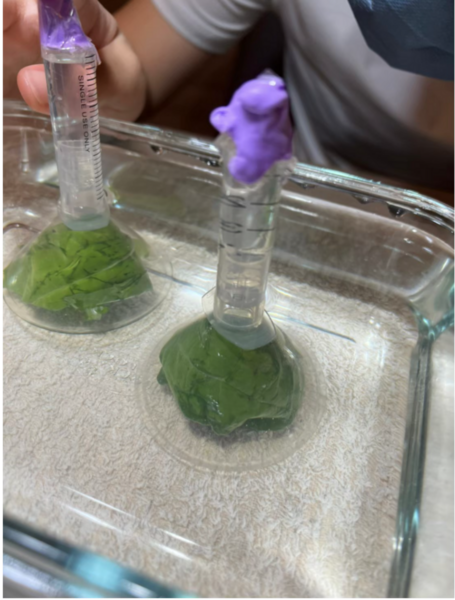
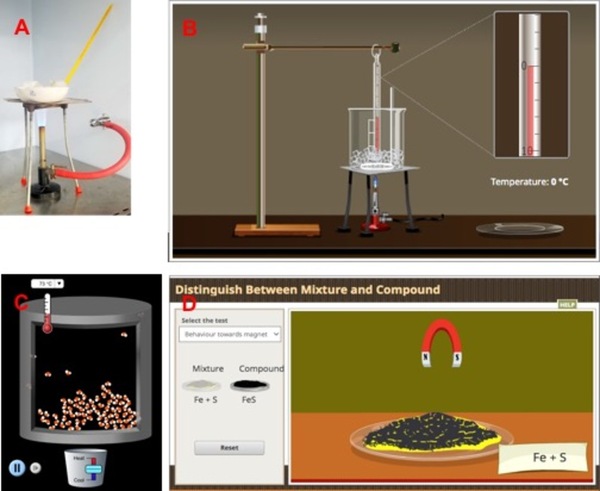
Virtual labs have been gaining popularity over the last few years, especially during the worldwide lockdown due to the COVID-19 pandemic. In this study, the suitability of virtual labs for school chemistry experiments is addressed and their effectiveness is compared to traditional physical lab experiments by focusing on physical and human resources, convenience, cost, safety, and time involved as well as topic "matter".

Read More...

Zinc-related Treatments Combined with Chloroquine and Gemcitabine for Treating Pancreatic Cancer

Ma et al. | Sep 11, 2021

Zinc-related Treatments Combined with Chloroquine and Gemcitabine for Treating Pancreatic Cancer

Pancreatic cancer is one of the deadliest cancers, with a 10% 5-year survival rate. The authors studied various dosages of TPEN and zinc in combination with Chloroquine and Gemcitabine as treatments to reduce cell proliferation. Results showed that when combined with Chloroquine and Gemcitabine, zinc and TPEN both significantly lowered cell proliferation compared to Gemcitabine, suggesting a synergistic effect that resulted in a more cytotoxic treatment. Further research and clinical trials on this topic are needed to determine whether this could be a viable treatment for pancreatic cancer.

Read More...

The Impact of the COVID-19 Pandemic on Mental Health of Teens

Qureshi et al. | Nov 19, 2020

The Impact of the COVID-19 Pandemic on Mental Health of Teens

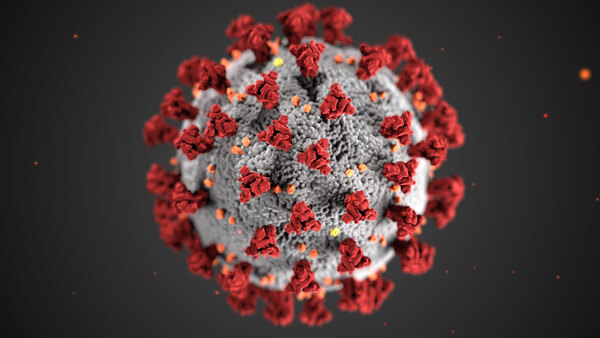
In this study, the authors investigate whether the COVID-19 pandemic is affecting the mental health of teens. Using data from a study done in Islamabad, Pakistan, the authors find that many teens between the ages of 13 and 19 show signs of mental illness. This study reports important data regarding the mental health of youth and points toward an increased need to address this topic during the pandemic.

Read More...

Evaluating Biomarkers and Treatments for Acute Kidney Injury in a Zebrafish Model

Mathew et al. | Aug 11, 2019

Evaluating Biomarkers and Treatments for Acute Kidney Injury in a Zebrafish Model

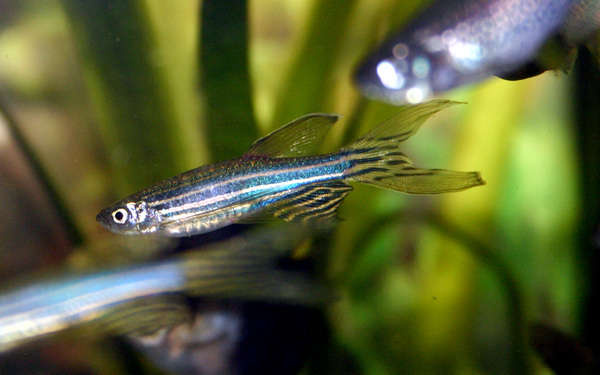
Coronary Artery Disease (CAD) is the leading cause of death in the United States, and 81% of Acute Kidney Injury (AKI) patients in the renal fibrosis stage later develop CAD. In this study, Mathew and Joykutty aimed to create a cost-effective strategy to treat AKI and thus prevent CAD using a model of the zebrafish, Danio rerio. They first tested whether AKI is induced in Danio rerio upon exposure to environmental toxins, then evaluated nitrotyrosine as an early biomarker for toxin-induced AKI. Finally, they evaluated 4 treatments of renal fibrosis, the last stage of AKI, and found that the compound SB431542 was the most effective treatment (reduced fibrosis by 99.97%). Their approach to treating AKI patients, and potentially prevent CAD, is economically feasible for translation into the clinic in both developing and developed countries.

Read More...

The effect of common food preservatives on the growth of bacteria

Yulin et al. | Jul 06, 2025

The effect of common food preservatives on the growth of bacteria
Image credit: Michael Schiffer

Here the authors aimed to find the best preservative combinations to stop bacterial growth in food, using data modeling and biochemical experiments. They discovered that single preservatives are often not enough, with varying effectiveness against different bacteria, and suggest future research into combining preservatives for better results.

Read More...