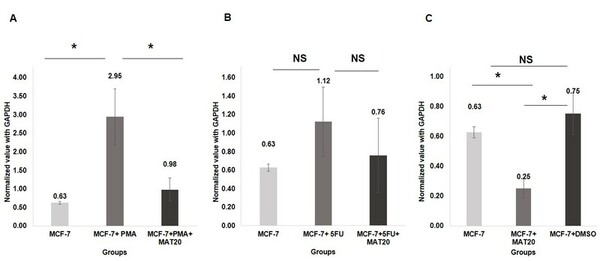
The authors test potential anti-inflammatory and pro-apoptotic effects of a polyherbal extract formulation on cultured breast cancer cells.
Read More...Anti-inflammatory and pro-apoptotic properties of the polyherbal drug, MAT20, in MCF-7 cells
The authors test potential anti-inflammatory and pro-apoptotic effects of a polyherbal extract formulation on cultured breast cancer cells.
Read More...Determining the impact of caffeine on aggression in Betta splendens
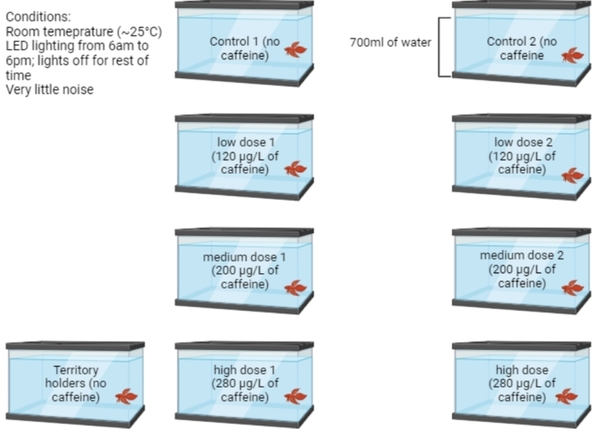
The authors test the effect of caffeine on the behavior of the Siamese fighting fish Betta splendens.
Read More...Surface cleanliness of hydrothermally grown zinc oxide microparticles compared to commercial nanoparticles
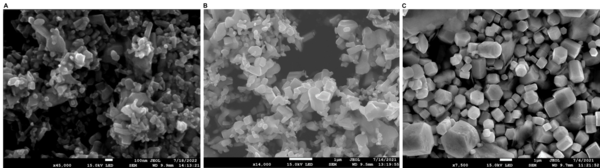
The authors test the usefulness of zinc oxide microparticles relative to zinc oxide nanoparticles as antibacterial agents.
Read More...Seed priming with melatonin improves drought tolerance in maize
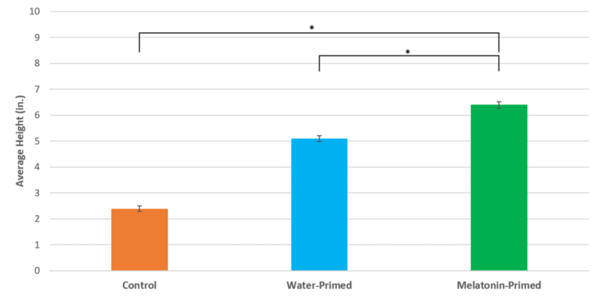
The authors test whether soaking maize seeds in a solution of melatonin improves seed germination and drought tolerance.
Read More...Predicting the factors involved in orthopedic patient hospital stay
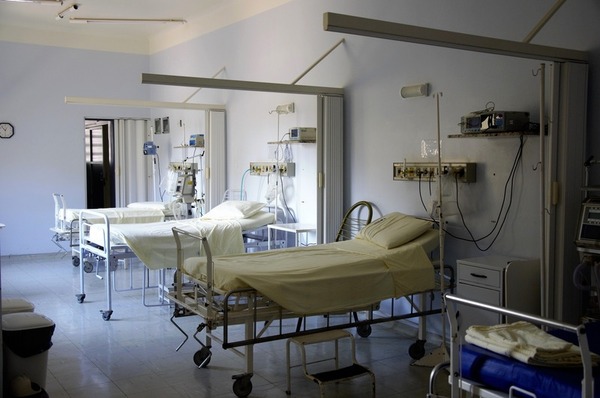
Long hospital stays can be stressful for the patient for many reasons. We hypothesized that age would be the greatest predictor of hospital stay among patients who underwent orthopedic surgery. Through our models, we found that severity of illness was indeed the highest factor that contributed to determining patient length of stay. The other two factors that followed were the facility that the patient was staying in and the type of procedure that they underwent.
Read More...Blue light blocking glasses: do they do what they promise?

With increased screen time and exposure to blue light, an increasing number of people have sleep deprivation. Blue light suppresses the release of melatonin and hinders sleep at night. We hypothesized that people could get a greater amount of sleep by controlling the blue light exposure from screen time before bedtime. BBG’s effect on reducing time to fall asleep was significant within the teenage group, but not significant in the adult group. This indicated that BBG could improve the time taken to sleep for young teenagers post screen time in the evening.
Read More...Simulating natural selection via autonomous agents: Environmental factors create unstable equilibria
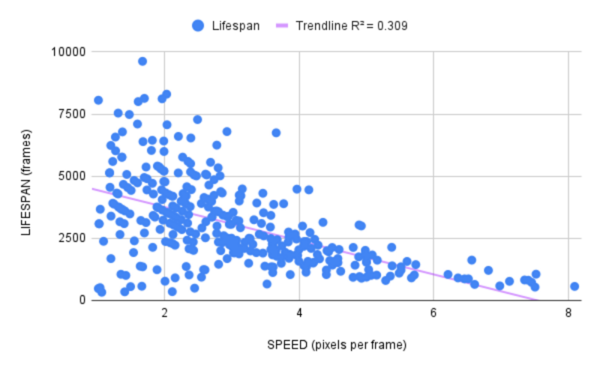
Natural selection shapes the evolution of all organisms, and one question of interest is whether natural selection will reach a "stopping point": a stable, ideal, value for any particular trait. Madhan and Kanagavel tackle this question by building a computer simulation of trait evolution in organisms.
Read More...Therapy dogs effectively reduce stress in college preparatory students

In this article the authors looked at the effect of spending time with a therapy dog before and after stressful events. They found that interacting with a therapy before a stressful event showed more significant reduction in signs of stress compared to interacting with a therapy dog after stressful events have already occurred.
Read More...A comparison of small engine emissions powered by alcohol and gasoline fuel
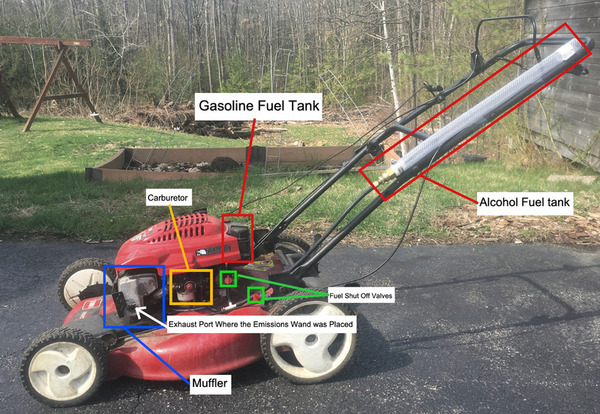
The authors looked at the emissions from a small, carbureted engine that was being powered by a mix of ethanol and methanol compared to E10 gasoline. The found that across all four pollutants measured, the ethanol-methanol mixture resulted in less emissions compared to the E10 fuel.
Read More...Heterotrophic culture of Spirulina platensis improved its growth and the study of its nutritional effect
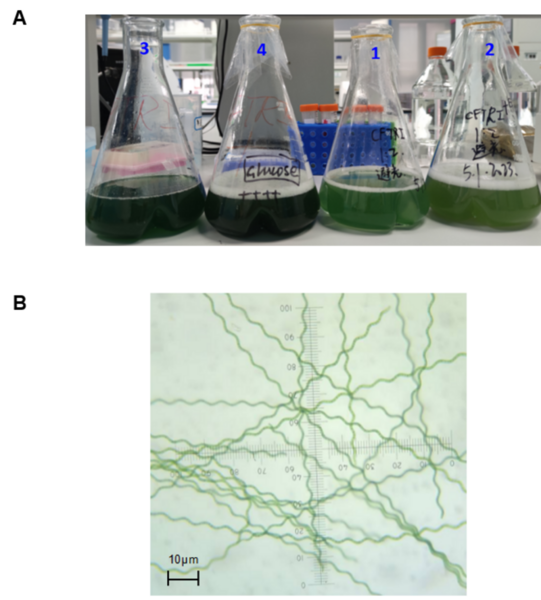
The authors looked at the ability to grow S. platensis on a larger scale with reduced cost given that it is currently quite expensive to grow, but poses as an important food source in the future.
Read More...