The effects of varied N-acetylcysteine concentration and electronegativity on bovine mucus hydrolysis
(1) Blair Academy
https://doi.org/10.59720/24-041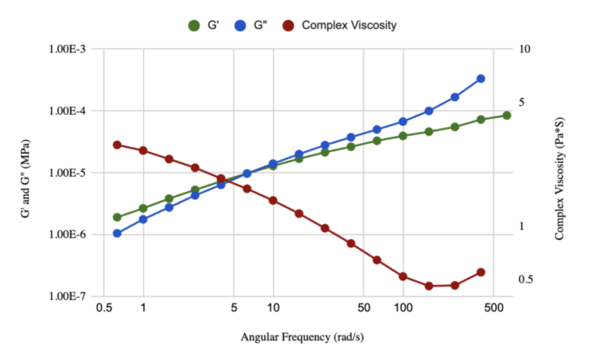
N-Acetylcysteine, more commonly known as NAC, is a modified amino acid that is a very common way to treat the blockage of viscous pulmonary mucus in the bronchioles due to chronic obstructive pulmonary diseases (COPDs). NAC is a common treatment for excess mucus because it can effectively dissolve the disulfide bonds within the glycoprotein Mucin 5AC. However, this hydrolyzation ability is not infallible, as it is only capable of loosening the mucus to a certain extent. This study aimed to increase the efficacy of NAC by first determining a metric to measure its capacity by using rheometry. We hypothesized that if N-acetylcysteine is chemically altered, its effect on the viscosity of bovine mucus will be measurable by rheometry. Once we obtained the method to comprehend data, we applied and manipulated variables of concentration and electronegativity to NAC to observe their effects, trying to produce the best results possible within this scope. Through rheological analysis, we determined that the standard dose of NAC has a very similar function as the elevated doses. We successfully manipulated the electronics of various cysteine variants and determined that of the variants we investigated, boc-cysteine was the most effective at breaking up and thinning mucus. This data may provide avenues for future research into COPDs and their treatments.
This article has been tagged with: