Browse Articles

Advancing pediatric cancer predictions through generative artificial intelligence and machine learning

Yadav et al. | Dec 21, 2024

Advancing pediatric cancer predictions through generative artificial intelligence and machine learning

Pediatric cancers pose unique challenges due to their rarity and distinct biological factors, emphasizing the need for accurate survival prediction to guide treatment. This study integrated generative AI and machine learning, including synthetic data, to analyze 9,184 pediatric cancer patients, identifying age at diagnosis, cancer types, and anatomical sites as significant survival predictors. The findings highlight the potential of AI-driven approaches to improve survival prediction and inform personalized treatment strategies, with broader implications for innovative healthcare applications.

Read More...

pH-dependent drug interactions with acid reducing agents

Lin et al. | Nov 12, 2024

pH-dependent drug interactions with acid reducing agents
Image credit: The authors

Some cancer treatments lose efficacy when combined with treatments for excessive stomach acid, due to the changes in the stomach environment caused by the stomach acid treatments. Lin and Lin investigate information on oral cancer drugs to see what information is available on interactions of these drugs.

Read More...

The correlation between bacteria and colorectal cancer

Zhang et al. | Oct 21, 2024

The correlation between bacteria and colorectal cancer

The authors looked at abundance of bacteria in stool samples from patients with colorectal cancer compared to controls. They found different bacteria that was more prevalent in patients with colorectal cancer as well as bacteria in control patients that may indicate a beneficial gut microbiome.

Read More...

Adults’ attitudes toward non-alcoholic beer purchases and consumption by children and adolescents

An et al. | Aug 23, 2024

Adults’ attitudes toward non-alcoholic beer purchases and consumption by children and adolescents
Image credit: The authors

Consumption of non-alcoholic beverages, like non-alcoholic beer, is growing in popularity in the United States. These beverages raise important societal questions, such as whether minors should be allowed to purchase or consume non-alcoholic beer. An and An investigate this issue by surveying adults to see if they support minors purchasing and consuming non-alcoholic beer.

Read More...

Diagnosing hypertrophic cardiomyopathy using machine learning models on CMRs and EKGs of the heart

Kolluri et al. | Jul 29, 2024

Diagnosing hypertrophic cardiomyopathy using machine learning models on CMRs and EKGs of the heart
Image credit: Jesse Orrico

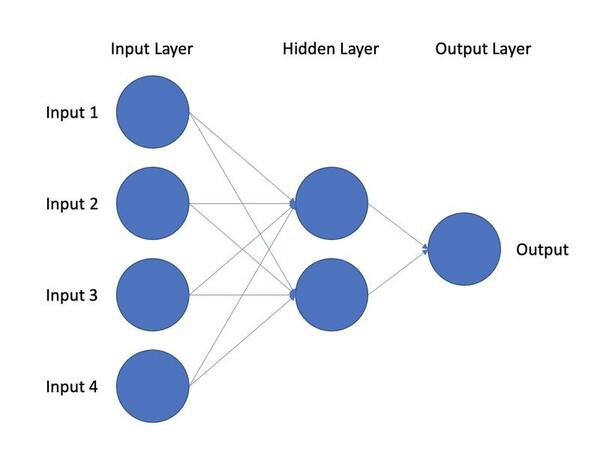
Here seeking to develop a method to diagnose, hypertrophic cardiomyopathy which can cause sudden cardiac death, the authors investigated the use of a convolutional neural network (CNN) and long short-term memory (LSTM) models to classify cardiac magnetic resonance and heart electrocardiogram scans. They found that the CNN model had a higher accuracy and precision and better other qualities, suggesting that machine learning models could be valuable tools to assist physicians in the diagnosis of hypertrophic cardiomyopathy.

Read More...

Ramifications of natural and artificial sweeteners on the gastrointestinal system

Cowen et al. | Jun 19, 2023

Ramifications of natural and artificial sweeteners on the gastrointestinal system

This study aimed to determine whether artificial sweeteners are harmful to the human microbiome by investigating two different bacteria found to be advantageous to the human gut, Escherichia coli and Bacillus coagulans. Results showed dramatic reduction in bacterial growth for agar plates containing two artificial sweeteners in comparison to two natural sweeteners. This led to the conclusion that both artificial sweeteners inhibit the growth of the two bacteria and warrants further study to determine if zero-sugar sweeteners may be worse for the human gut than natural sugar itself.

Read More...