Browse Articles

A study to determine the anti-cancer and pro-apoptotic properties of Amaranthus spinosus Linn. Extract, AS20

Sharma et al. | Nov 24, 2020

A study to determine the anti-cancer and pro-apoptotic properties of Amaranthus spinosus Linn. Extract, AS20

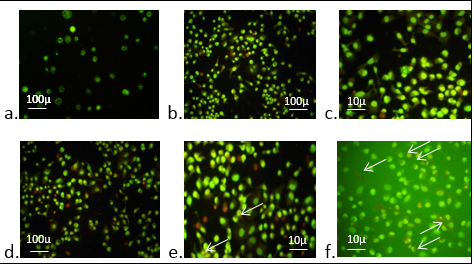
In this study, the authors investigate whether a new compound has anti-cancer properties. Using the crude extract from the Amaranthus spinosus plant, HeLa cancer cells were assessed for cell death. Findings reveal that the extract (AS20) has cytotoxic effects on HeLa cells. Their findings introduce a new compound to potentially pursue in the hunt for novel cancer treatments.

Read More...

Temperature and Precipitation Responses to a Stratospheric Aerosol Geoengineering Experiment Using the Community Climate System Model 4

Anderson et al. | Aug 19, 2014

Temperature and Precipitation Responses to a Stratospheric Aerosol Geoengineering Experiment Using the Community Climate System Model 4

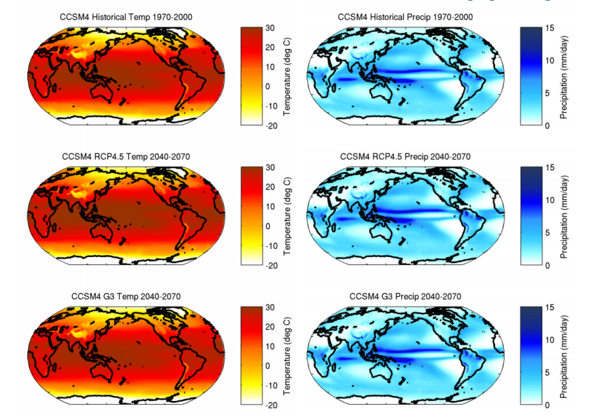
We are changing our environment with steadily increasing carbon dioxide emissions, but we might be able to help. The authors here use a computer program called Community Climate System Model 4 to predict the effects of spraying small particles into the atmosphere to reflect away some of the sun's rays. The software predicts that this could reduce the amount of energy the Earth's atmosphere absorbs and may limit but will not completely counteract our carbon dioxide production.

Read More...

The effect of economic downturns on the frequency of mass shootings

Bhupathi et al. | Jul 11, 2025

The effect of economic downturns on the frequency of mass shootings

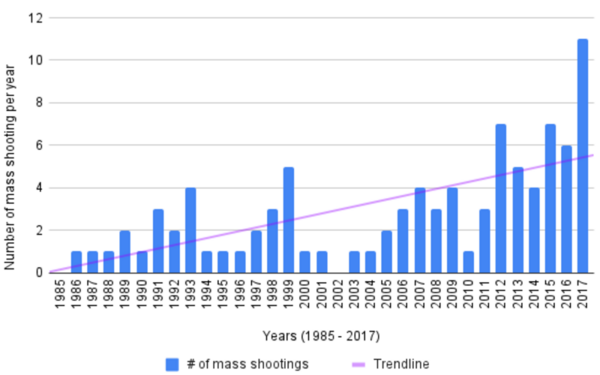
Researching gun violence and mass shootings in the U.S. is difficult due to the lack of consistent data collection. Some studies have linked mass shootings to personal financial stress, but little formal research exists on the impact of broader economic conditions. This study hypothesized an inverse relationship between mass shootings and economic performance, using the S&P 500 and unemployment rate as indicators.

Read More...

Modeling and optimization of epidemiological control policies through reinforcement learning

Rao et al. | May 23, 2023

Modeling and optimization of epidemiological control policies through reinforcement learning

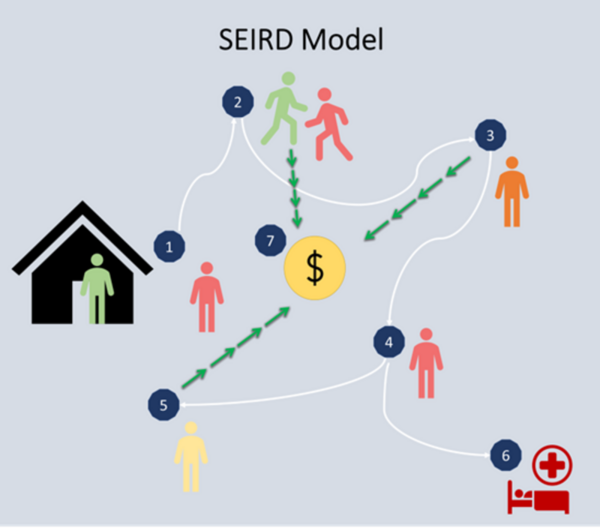
Pandemics involve the high transmission of a disease that impacts global and local health and economic patterns. Epidemiological models help propose pandemic control strategies based on non-pharmaceutical interventions such as social distancing, curfews, and lockdowns, reducing the economic impact of these restrictions. In this research, we utilized an epidemiological Susceptible, Exposed, Infected, Recovered, Deceased (SEIRD) model – a compartmental model for virtually simulating a pandemic day by day.

Read More...