Browse Articles

Fluorescein or Green Fluorescent Protein: Is It Possible to Create a Sensor for Dehydration?

Joshi et al. | Dec 09, 2019

Fluorescein or Green Fluorescent Protein: Is It Possible to Create a Sensor for Dehydration?

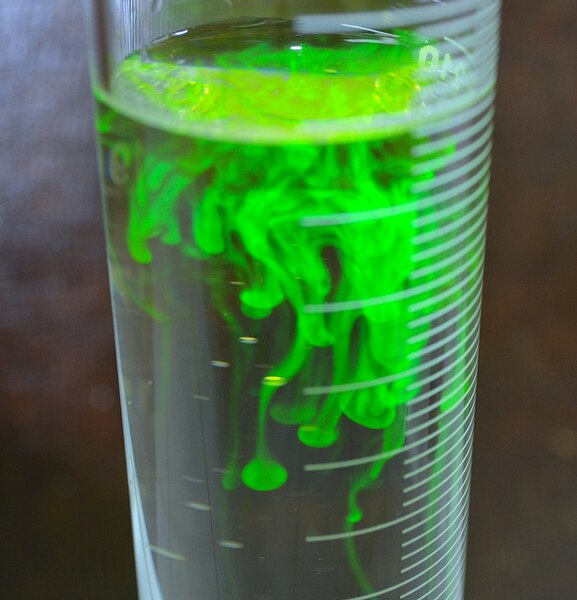
Currently there is no early dehydration detection system using temperature and pH as indicators. A sensor could alert the wearer and others of low hydration levels, which would normally be difficult to catch prior to more serious complications resulting from dehydration. In this study, a protein fluorophore, green fluorescent protein (GFP), and a chemical fluorophore, fluorescein, were tested for a change in fluorescence in response to increased temperature or decreased pH. Reversing the pH change did not restore GFP fluorescence, but that of fluorescein was re-established. This finding suggests that fluorescein could be used as a reusable sensor for a dehydration-related pH change.

Read More...

Intra and interspecies control of bacterial growth through extracellular extracts

Howe et al. | Jun 07, 2024

Intra and interspecies control of bacterial growth through extracellular extracts

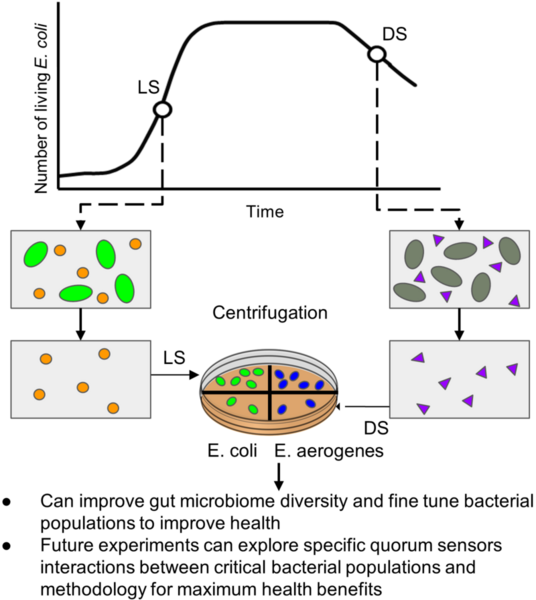
The study discusses the relationship between bacterial species and the human gut microbiome, emphasizing the role of quorum sensing molecules in bacterial communication and its implications for health. Authors investigated the impact of bacterial supernatants from Escherichia coli (E. coli) on the growth of new E. coli and Enterobacter aerogenes (E. aerogenes) cultures.

Read More...

Significance of Tumor Growth Modeling in the Behavior of Homogeneous Cancer Cell Populations: Are Tumor Growth Models Applicable to Both Heterogeneous and Homogeneous Populations?

Reddy et al. | Jun 10, 2021

Significance of Tumor Growth Modeling in the Behavior of Homogeneous Cancer Cell Populations: Are Tumor Growth Models Applicable to Both Heterogeneous and Homogeneous Populations?

This study follows the process of single-cloning and the growth of a homogeneous cell population in a superficial environment over the course of six weeks with the end goal of showing which of five tumor growth models commonly used to predict heterogeneous cancer cell population growth (Exponential, Logistic, Gompertz, Linear, and Bertalanffy) would also best exemplify that of homogeneous cell populations.

Read More...

Quantitative analysis and development of alopecia areata classification frameworks

Dubey et al. | Jun 03, 2024

Quantitative analysis and development of alopecia areata classification frameworks

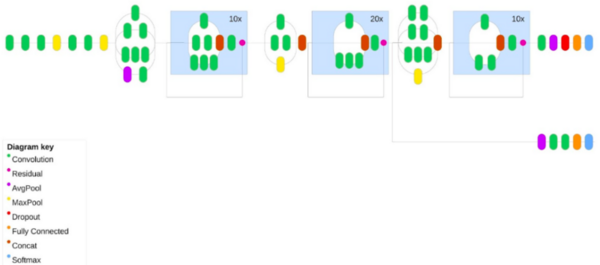
This article discusses Alopecia areata, an autoimmune disorder causing sudden hair loss due to the immune system mistakenly attacking hair follicles. The article introduces the use of deep learning (DL) techniques, particularly convolutional neural networks (CNN), for classifying images of healthy and alopecia-affected hair. The study presents a comparative analysis of newly optimized CNN models with existing ones, trained on datasets containing images of healthy and alopecia-affected hair. The Inception-Resnet-v2 model emerged as the most effective for classifying Alopecia Areata.

Read More...

Socio-economic and awareness correlates of physical activity of government school children in India

Nandivada et al. | Dec 11, 2022

Socio-economic and awareness correlates of physical activity of government school children in India

Here, based on the identified importance of physical activity in the development of young children, the authors investigated the effects of socioeconomic factors on the amount of physical activity of government-school children in India. They found significant differences between boys and girls, rural and urban, and children who were encouraged to exercise and those who were not. Overall, they suggest that their findings point to the important role of schools and communities in promoting healthy active lifestyles for developing children.

Read More...