The authors test the effect of petroleum-based and bio-based microplastics on the growth of two microalgae species.
Read More...Differential physiological response of microalgae exposed to petroleum- and bio-based microplastics
The authors test the effect of petroleum-based and bio-based microplastics on the growth of two microalgae species.
Read More...The characterizations and the anonymity of comments: A case study on Lizzo’s videos
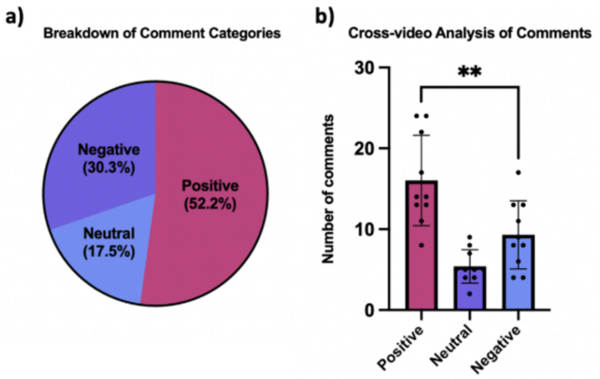
Social media, especially among adolescents, has become a popular communication tool, but its link to negative mental health outcomes is a growing concern. This study analyzed public comments on Lizzo's social media, focusing on the nature of praise and criticism.
Read More...Mitigating microplastic exposure from water consumption in junior high students and teachers
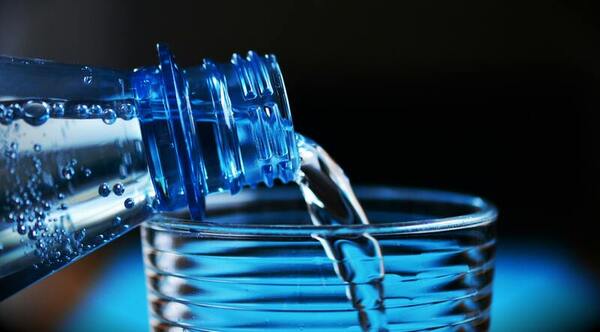
Microplastics (MPs) are inorganic material that have been observed within items destined for human consumption, including water, and may pose a potential health hazard. Here we estimated the average amount of MPs junior high students and teachers consumed from different water sources and determined whether promoting awareness of microplastic (MP) exposure influenced choice of water source and potential MPs consumed.
Read More...An analysis of the feasibility of SARIMAX-GARCH through load forecasting
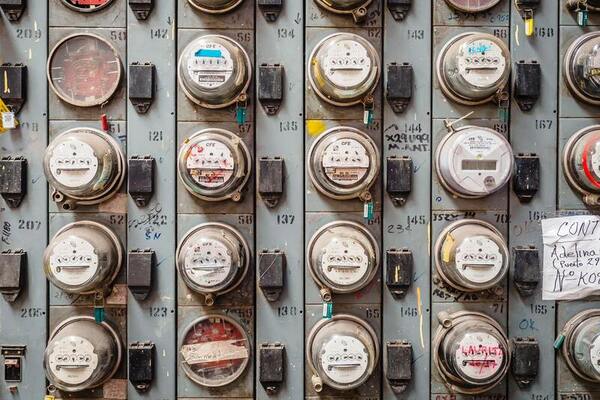
The authors found that SARIMAX-GARCH is more accurate than SARIMAX for load forecasting with respect to energy consumption.
Read More...A Juxtaposition of Airborne Microplastics and Fiber Contamination in Various Environments
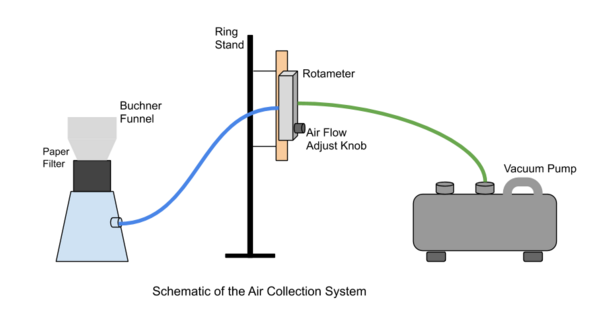
Microplastics can have detrimental effects on various wildlife, as well as pollute aquatic and atmospheric environments. This study focused on air samples collected from five locations to investigate microplastic concentrations in atmospheric fallout from indoor and outdoor settings, through a process utilizing a hand-held vacuum pump and a rotameter. The authors found that the difference between the average number of microplastic fragments and fibers collected from all locations was not large enough to be statistically significant. The results collected in this study will contribute to knowledge of the prevalence of airborne microplastics.
Read More...The effectiveness of glass fines on the fire resistance of mycelium-based biocomposites
Analysis of the catalytic efficiency of spent coffee grounds and titanium dioxide using UV-Vis spectroscopy
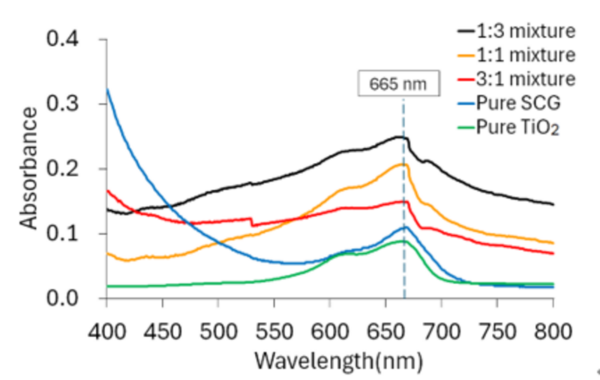
This paper looks at using spent coffee grounds as a partial substitute for titanium dioxide (TiO2) as a catalyst for chemical reactions. Using UV-Vis spectrophotometry, they found that adding the coffee grounds to TiO2 in a 3:1 ratio, there is still meaningful catalytic activity. This offers a cheaper solution than just using pure TiO2.
Read More...Efficacy of electrolytic treatment on degrading microplastics in tap water
Here seeking to identify a method to remove harmful microplastics from water, the authors investigated the viability of using electrolysis to degrade microplastics in tap water. Compared to control samples, they found electrolysis treatment to significantly the number of net microplastics, suggesting that this treatment could potentially implemented into homes or drinking water treatment facilities.
Read More...Studying habitability of the exoplanents Kepler-504 b, Kepler-315 b, and Kepler-315 c

The authors explore how similar exoplanets are to Earth and whether they could be inhabited by humans and other living organisms.
Read More...Do Attractants Bias the Results of Malaise Trap Research?

Malaise traps are commonly used to collect flying insects for a variety of research. In this study, researchers hypothesized the attractants used in these traps may create bias in insect studies that could lead to misinterpreted data. To test this hypothesis two different kinds of attractant were used in malaise traps, and insect diversity was assessed. Attractants were found to alter the dispersion of insects caught in traps. These findings can inform future malaise traps studies on insect diversity.
Read More...