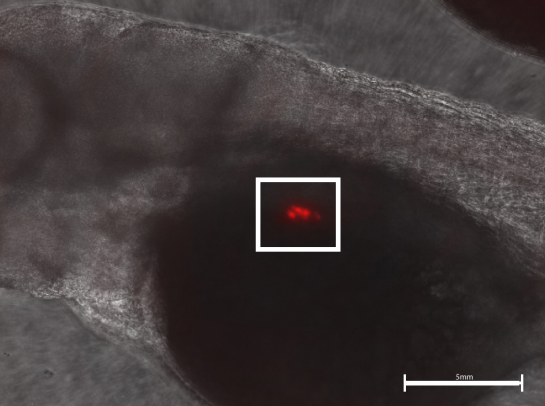
Alcohol is known to cause various developmental diseases including Fetal Alcohol Syndrome. Here the authors investigate the effect of ethanol on the development of zebrafish beta cells, the part of the pancreas associated with Type 1 Diabetes. They find that exposure to ethanol does adversely affect beta-cell development, suggesting that alcohol ingestion during pregnancy may be linked to diabetes in newborns.
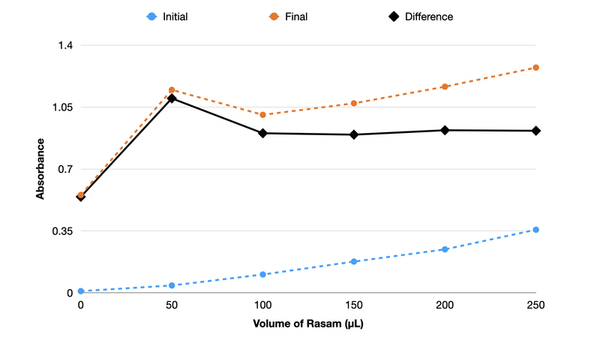
Systematic consumption of traditional foods is a popular way of treating diseases in India. Rasam, a soup of spices and tomato with a tamarind base, is a home remedy for viral infections such as the common cold. Here, we investigate if rasam, prepared under household conditions, exhibits antibacterial activity against Escherichia coli and Staphylococcus aureus, two common pathogenic bacteria. Our results show rasam prepared under household conditions lacks antibacterial activity despite its ingredients possessing such properties.
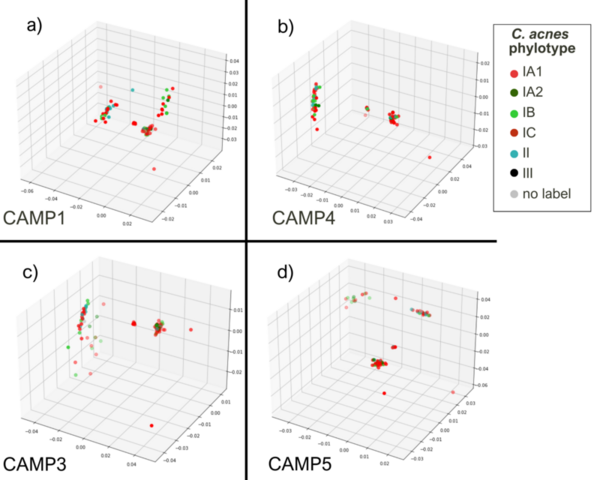
Cutibacterium acnes is a bacterium believed to play an important role in the pathogenesis of common skin diseases such as acne vulgaris. Currently, acne is known to be associated with strains from the type IA1 and IC clades of C. acnes, while those from the type IA2, IB, II, and III phylogroups are associated with skin health. This is the first study to explore the sequence space of individual gene products of different C. acnes phylogroups. Our analysis compared the sequence space topology of virulence factors to proteins with unknown functions and housekeeping proteins. We hypothesized that sequence space features of virulence factors are different from housekeeping protein features, which potentially provides an avenue to deduce unknown proteins’ functions. This proposition should be confirmed based on further experimental outcomes. A notable similarity in the sequence spaces’ topological features of previously known as housekeeping proteins encoded by recA and guaA genes to ‘putative virulence’ genes camp2 and tly was observed. Our research suggests further investigation of recA and guaA’s potential virulence properties to better understand acne pathogenesis and develop more targeted acne treatments.
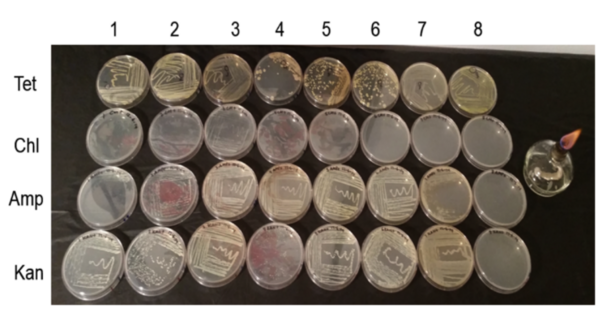
The emergence of antibiotic-resistant pathogenic bacteria is a major concern for human health, rendering some antibiotics ineffective in treating diseases. The authors of this study tested the hypothesis that exposing rumen bacteria to tetracycline will gradually lead to the development of tetracycline-resistant bacteria, some of which will develop multidrug resistance.
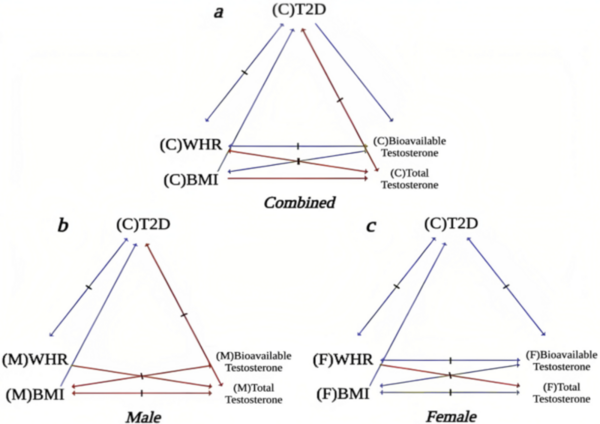
The study explored the role of testosterone beyond its well-established effects on male sex characteristics, focusing on its association with non-communicable diseases (NCDs) like obesity and type 2 diabetes (T2D), using Mendelian randomization (MR) analysis on genomic data.
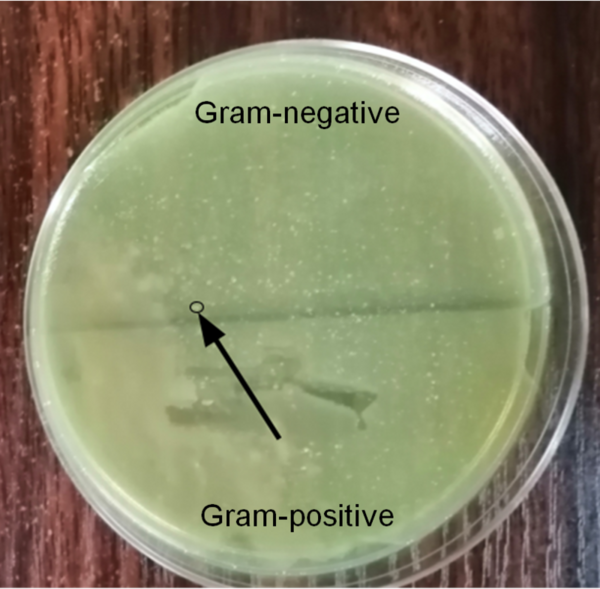
Antibiotics are one of the most common treatments for bacterial infections, but the emergence of antibiotic resistance is a major threat to the control of infectious diseases. Many factors contribute to the development of antibiotic resistance. One is bacterial conjugation from Gram-positive to Gram-negative bacteria where there is a transfer of resistance genes from Gram-positive to Gram-negative bacteria that could increase antibiotic resistance in the latter. In light of these observations, we decided to test whether Gram-negative bacteria that came into contact with Gram-positive bacteria had a higher resistance to the antimicrobial properties of spices than Gram-negative bacteria that did not come into contact with Gram-positive bacteria.
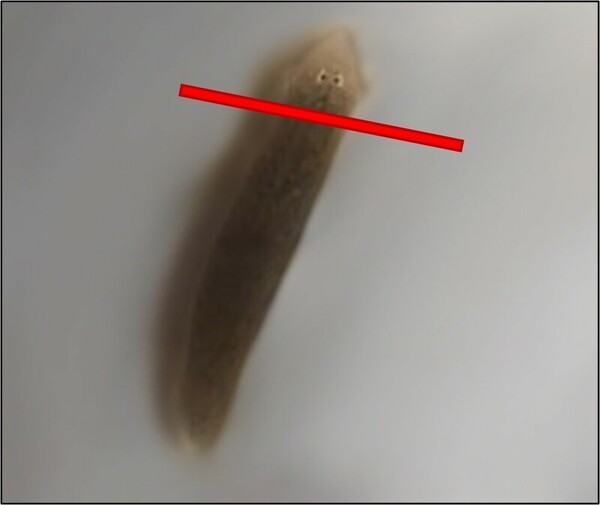
The consumption of sugar substitute non-nutritive sweeteners (NNS) has dramatically increased in recent years. Despite being advertised as a healthy alternative, NNS have been linked to adverse effects on the body, such as neurodegenerative diseases (NDs). In NDs, neural stem cell function is impaired, which inhibits neuron regeneration. The purpose of this study was to determine if the NNS acesulfame potassium (Ace-K) and neotame affect planaria neuron regeneration rates. Since human neurons may regenerate, planaria, organisms with extensive regenerative capabilities due to stem cells called neoblasts, were used as the model organism. The heads of planaria exposed to either a control or non-toxic concentrations of NNS were amputated. The posterior regions of the planaria were observed every 24 hours to see the following regeneration stages: (1) wound healing, (2) blastema development, (3) growth, and (4) differentiation. The authors hypothesized that exposure to the NNS would slow planaria regeneration rates. The time it took for the planaria in the Ace-K group and the neotame group to reach the second, third, and fourth regeneration stage was significantly greater than that of the control. The results of this study indicated that exposure to the NNS significantly slowed regeneration rates in planaria. This suggests that the NNS may adversely impact neoblast proliferation rates in planaria, implying that it could impair neural stem cell proliferation in humans, which plays a role in NDs. This study may provide insight into the connection between NNS, human neuron regeneration, and NDs.
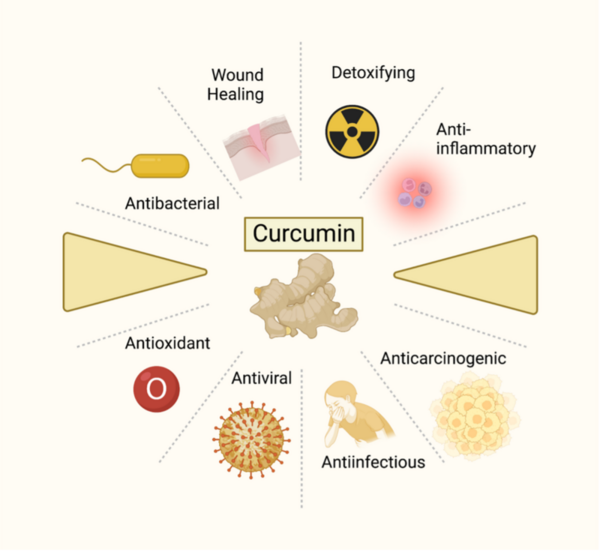
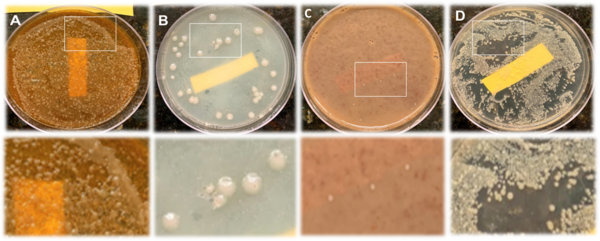
Some spices have antimicrobial or antibacterial properties that people have already tested. Turmeric has a wide variety of uses and has even been implemented in alternative medicine as a treatment for cancer, inflammation, osteoarthritis, and other diseases. We tested the antimicrobial effects of turmeric under two different pHs to characterize this effect in vitro. Decreasing the pH of a solution of turmeric may increase antibacterial properties.
Bacteria cause tooth decay, plaque, bad breath, and other diseases. Despite being cleaned with water and toothpaste, oral bacteria live on our toothbrushes. Bacterial growth has been shown to be inhibited by different toothpastes and common household spices. This study tested how different toothpastes and common household spices, including cinnamon, cumin, nutmeg, and ground white pepper, can inhibit bacteria from growing on toothbrushes
The Wnt signaling pathway, known to coordinate important aspects of cellular homeostasis ranging from differentiation, proliferation, migration, and much more, is dysregulated in many human diseases. This study demonstrates that aminomethylphosphonic acid, which is the main metabolite found in the common herbicide Glyphosate, is toxic to planaria and capable of binding to canonical Wnt proteins.