Browse Articles

Survival analysis in cardiovascular epidemiology: nexus between heart disease and mortality

Lachwani et al. | Oct 23, 2024

Survival analysis in cardiovascular epidemiology: nexus between heart disease and mortality

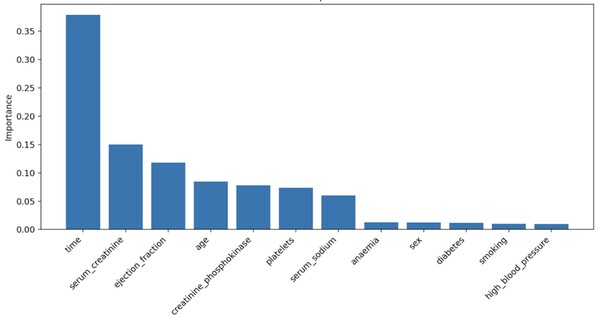
In 2021, over 20 million people died from cardiovascular diseases, highlighting the need for a deeper understanding of factors influencing heart failure outcomes. This study examined multiple variables affecting mortality after heart failure, using random forest models to identify time, serum creatinine, and ejection fraction as key predictors. These findings could contribute to personalized medicine, improving survival rates by tailoring treatment strategies for heart failure patients.

Read More...

Analyzing market dynamics and optimizing sales performance with machine learning

Kamat et al. | May 31, 2025

Analyzing market dynamics and optimizing sales performance with machine learning

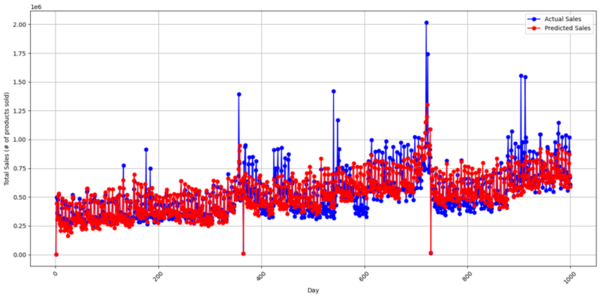
This study uses interpretable machine learning models, lasso and ridge regression with Shapley analysis, to identify key sales drivers for Corporación Favorita, Ecuador’s largest grocery chain. The results show that macroeconomic factors, especially labor force size, have the greatest impact on sales, though geographic and seasonal variables like city altitude and holiday proximity also play important roles. These insights can help businesses focus on the most influential market conditions to enhance competitiveness and profitability.

Read More...

The influence of implicit social pressure on prosocial behavior of adolescents

Carroll et al. | Dec 13, 2021

The influence of implicit social pressure on prosocial behavior of adolescents

In this study the authors sought to understand the influence of implicit social pressure on prosocial behavior (voluntary acts that benefit someone else) in adolescents age 12–19. They considered how participants divided money between themselves and four teammate they did a school project with. Despite being shown examples of how to divide money (social pressure), their results showed that both boys and girls were unaffected by prosocial, neutral, and antisocial pressures.

Read More...

Risk factors contributing to Pennsylvania childhood asthma

Li et al. | Oct 30, 2024

Risk factors contributing to Pennsylvania childhood asthma
Image credit: The authors

Asthma is one of the most prevalent chronic conditions in the United States. But not all people experience asthma equally, with factors like healthcare access and environmental pollution impacting whether children are likely to be hospitalized for asthma's effects. Li, Li, and Ruffolo investigate what demographic and environmental factors are predictive of childhood asthma hospitalization rates across Pennsylvania.

Read More...

Does language familiarity affect typing speed?

Shin et al. | Aug 23, 2024

Does language familiarity affect typing speed?

In cognitive psychology, typed responses are used to assess thinking skills and creativity, but research on factors influencing typing speed is limited. This study examined how language familiarity affects typing speed, hypothesizing that familiarity with a language would correlate with faster typing. Participants typed faster in English than Latin, with those unfamiliar with Latin showing a larger discrepancy between the two languages, though Latin education level did not significantly impact typing speed, highlighting the role of language familiarity in typing performance.

Read More...

Risk assessment modeling for childhood stunting using automated machine learning and demographic analysis

Sirohi et al. | Sep 25, 2022

Risk assessment modeling for childhood stunting using automated machine learning and demographic analysis

Over the last few decades, childhood stunting has persisted as a major global challenge. This study hypothesized that TPTO (Tree-based Pipeline Optimization Tool), an AutoML (automated machine learning) tool, would outperform all pre-existing machine learning models and reveal the positive impact of economic prosperity, strong familial traits, and resource attainability on reducing stunting risk. Feature correlation plots revealed that maternal height, wealth indicators, and parental education were universally important features for determining stunting outcomes approximately two years after birth. These results help inform future research by highlighting how demographic, familial, and socio-economic conditions influence stunting and providing medical professionals with a deployable risk assessment tool for predicting childhood stunting.

Read More...