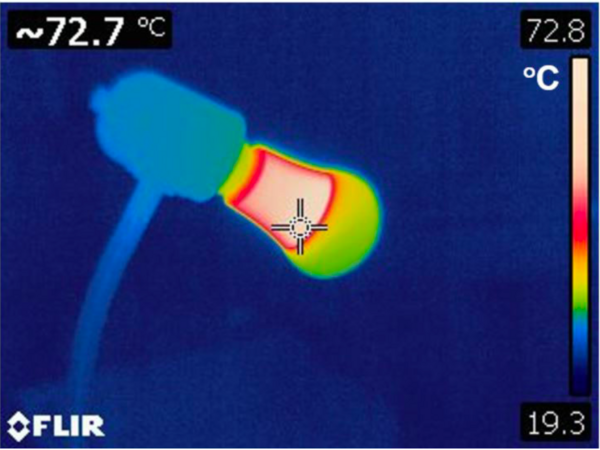
Here the author investigates how much heat energy is output and recovered from a conventional electric light bulb.
Read More...Examining Heat Recovery from Electric Light Bulbs Using Thermoelectric Generators
Here the author investigates how much heat energy is output and recovered from a conventional electric light bulb.
Read More...Don’t Waste the Medical Waste: Reducing Improperly Classified Hazardous Waste in a Medical Facility
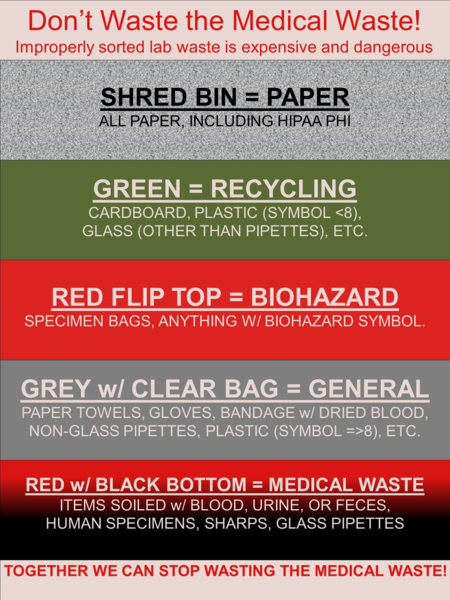
Hemani et al. tackled the problem of rampant hospital waste by implementing staff training to help inform hospital workers about proper waste disposal. The authors observed a significant increase in proper waste disposal after the training, showing that simple strategies, such as in-person classroom training and posters, can have a profound effect on limiting improper waste handling.
Read More...Impact of NaCl concentration in crystalline nanocellulose for printed ionic dielectrics
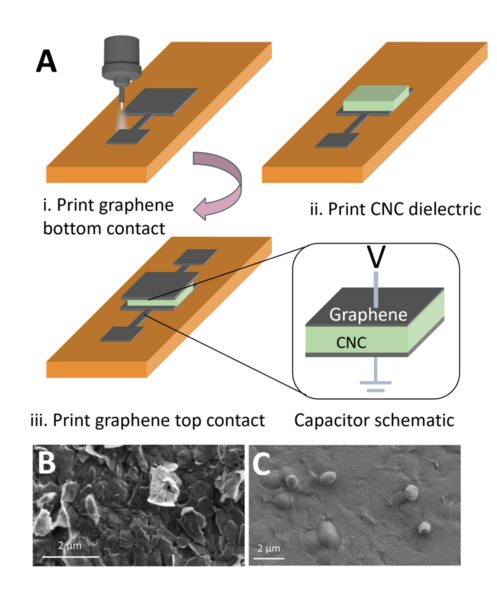
The authors looked at how the addition of NaCl to crystalline nanocellulose capacitors could improve performance in transistor applications. They found that NaCl can improve performance, but that further work is needed to determine the optimal concentration used depending on the intended application.
Read More...Decolorization of textile dyes by edible white rot fungi

As fast fashion explodes in popularity, the fashion industry remains one of the most prominent industries responsible for pollution. This pollution includes a lack of treatment for textile dyes that remain toxic or carcinogenic as they persist in wastewater. To resolve this, the authors of this study set out to determine the efficacy of using edible white rot fungi for cell-based biodegradation of textile dyes into harmless chemicals. This method takes advantage of fungi found in excess from the fungi industry, decreasing food waste while addressing textile waste in tandem.
Read More...Probiotic biosorption as a way to remove heavy metal in seawater

In this study, the authors address the concerns of heavy metal contamination in industrial and feedlot water waste. They test whether added probiotics are capable of taking up heavy metals in water to attenuate pollution.
Read More...Differential physiological response of microalgae exposed to petroleum- and bio-based microplastics
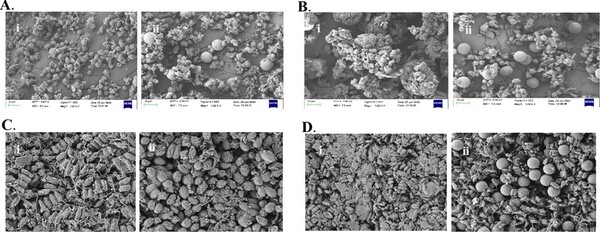
The authors test the effect of petroleum-based and bio-based microplastics on the growth of two microalgae species.
Read More...The effect of natural phenolic compounds on reducing oxidative stress
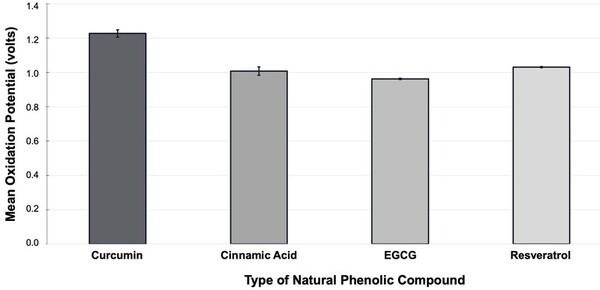
The authors looked at the potential of different phenolic compounds to reduce oxidative stress (i.e., act as antioxidants).
Read More...A five-year retrospective analysis of Tuberculosis risk factors and their variability in the United States
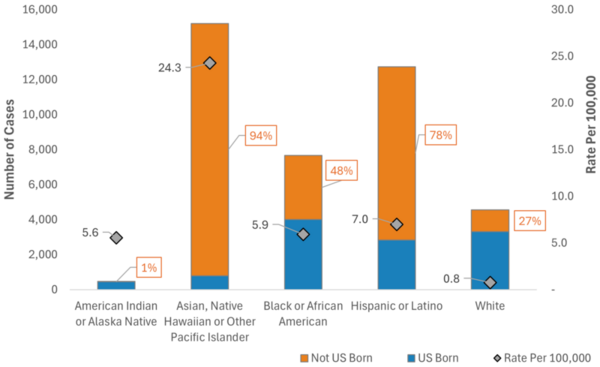
The main goal of this study is to determine what demographics are related to tuberculosis incidence in the United States populations, particularly if changing demographics are related to differences in tuberculosis risk over two discrete time periods. The major finding is that in the two studied time periods, tuberculosis risk factors were somewhat consistent and may be influenced by things such as immigration, healthcare access, and race or ethnicity, although the top predictor did change.
Read More...Mendelian randomization reveals shared genetic landscape in autism spectrum disorder and Alzheimer's disease
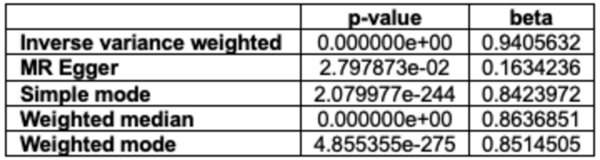
Autism Spectrum Disorder (ASD) and Alzheimer's Disease (AD) are distinct conditions, but research suggests a link, as individuals with ASD are 2.5 times more likely to develop AD. A study employing genome-wide association studies and Mendelian randomization revealed shared genetic factors, particularly in synaptic regulation pathways, that may increase the risk of AD in those with ASD. These findings provide insights into the genetic underpinnings connecting the two disorders.
Read More...A novel approach for predicting Alzheimer’s disease using machine learning on DNA methylation in blood
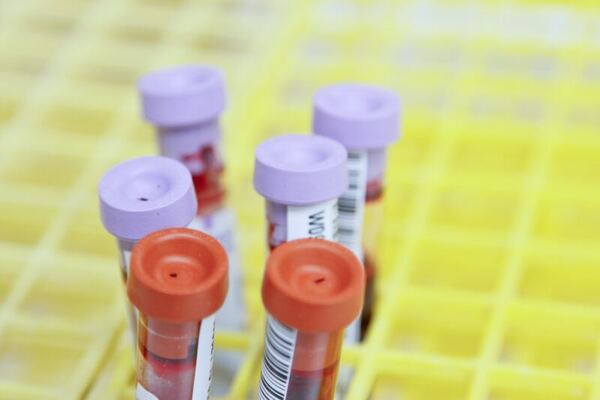
Here, recognizing the difficulty associated with tracking the progression of dementia, the authors used machine learning models to predict between the presence of cognitive normalcy, mild cognitive impairment, and Alzheimer's Disease, based on blood DNA methylation levels, sex, and age. With four machine learning models and two dataset dimensionality reduction methods they achieved an accuracy of 53.33%.
Read More...