Browse Articles

Qualitative tracking of human and animation motions reveals differences in their walking gaits

Baily et al. | Oct 04, 2024

Qualitative tracking of human and animation motions reveals differences in their walking gaits

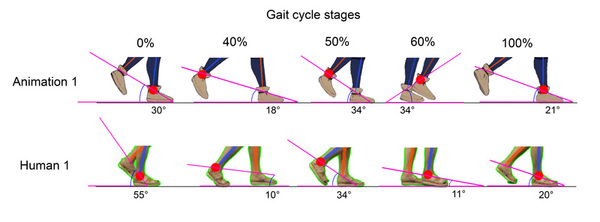
In their attempt to evoke a greater emotional connection with viewers, animators have strived to replicate human movements in their animations. However, animation movements still appear distinct from human movements. With a focus on walking, we hypothesized that animations, unaffected by real external forces (e.g. gravity), would move with a universally distinct, gliding gait that is discernible from humans.

Read More...
Using Artificial Intelligence to Forecast Continuous Glucose Monitor(CGM) readings for Type One Diabetes

Jalla et al. | Aug 07, 2024

Using Artificial Intelligence to Forecast Continuous Glucose Monitor(CGM) readings for Type One Diabetes
Image credit: The authors

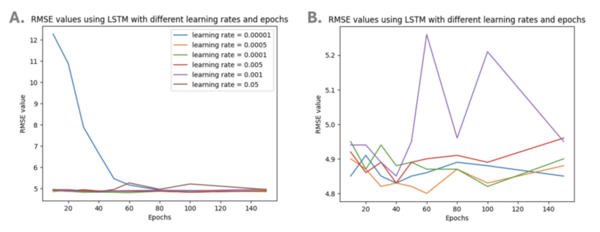
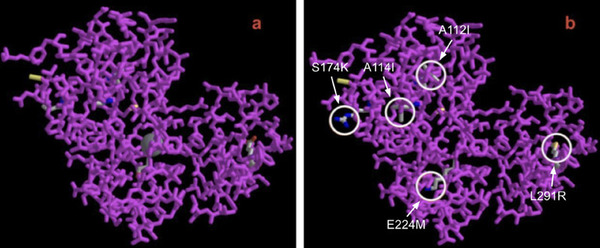
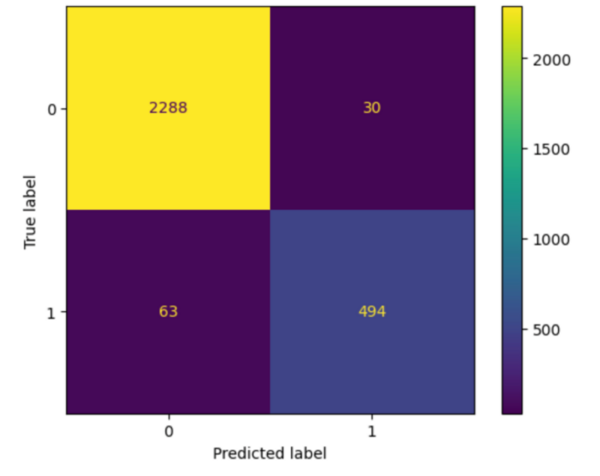
People with Type One diabetes often rely on Continuous Blood Glucose Monitors (CGMs) to track their blood glucose and manage their condition. Researchers are now working to help people with Type One diabetes more easily monitor their health by developing models that will future blood glucose levels based on CGM readings. Jalla and Ghanta tackle this issue by exploring the use of AI models to forecast blood glucose levels with CGM data.

Read More...

Improving measurement of reducing sugar content in carbonated beverages using Fehling’s reagent

Zhang et al. | Jul 21, 2020

Improving measurement of reducing sugar content in carbonated beverages using Fehling’s reagent

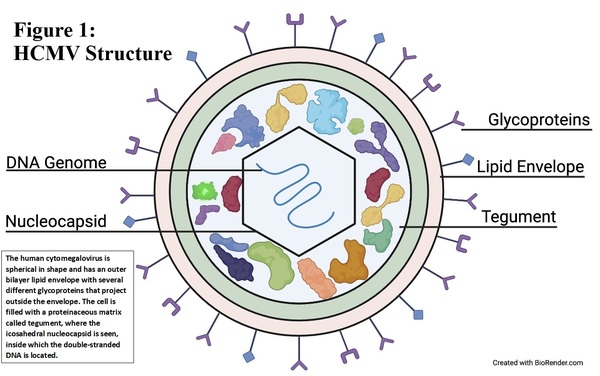
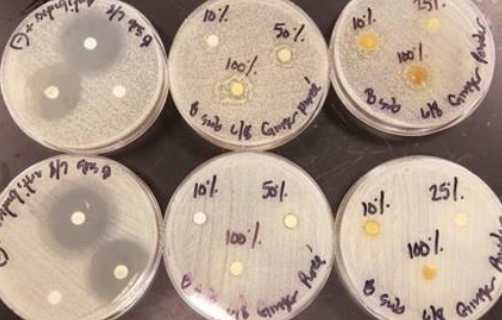
The sugar-rich modern diet underlies a suite of metabolic disorders, most common of which is diabetes. Accurately reporting the sugar content of pre-packaged food and drink items can help consumers track their sugar intake better, facilitating more cognisant and, eventually, moderate consumption of high-sugar items. In this article, the authors examine the effect of several variables on the accuracy of Fehling's reaction, a colorimetric reaction used to estimate sugar content.

Read More...

Redesigning an Experiment to Determine the Coefficient of Friction

Hu et al. | Jun 27, 2016

Redesigning an Experiment to Determine the Coefficient of Friction

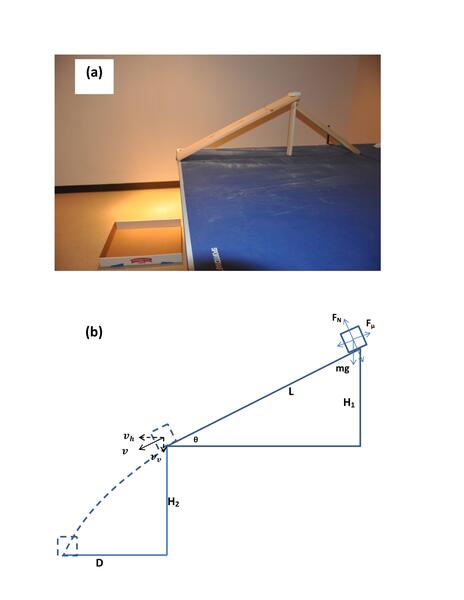
In a common high school experiment to measure friction coefficients, a weighted mass attached to a spring scale is dragged across a surface at a constant velocity. While the constant velocity is necessary for an accurate measurement, it can be difficult to maintain and this can lead to large errors. Here, the authors designed a new experiment to measure friction coefficients in the classroom using only static force and show that their method has a lower standard deviation than the traditional experiment.

Read More...