Browse Articles

Predicting baseball pitcher efficacy using physical pitch characteristics

Oberoi et al. | Jan 11, 2024

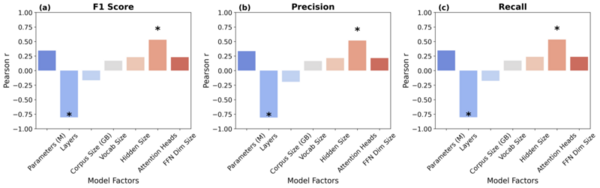
Predicting baseball pitcher efficacy using physical pitch characteristics
Image credit: Antoine Schibler

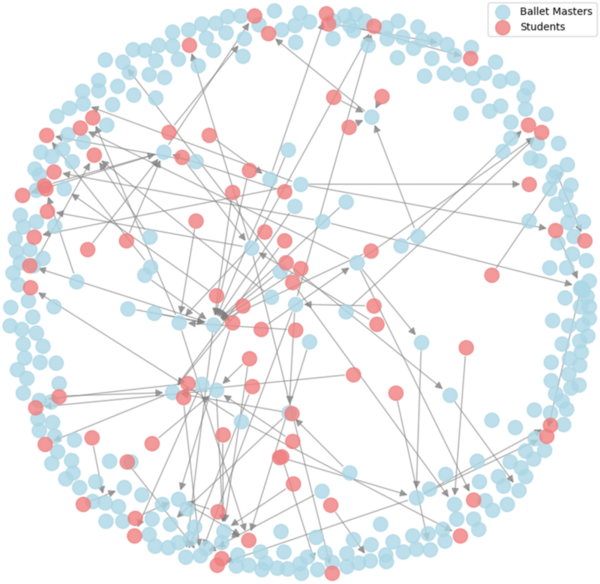
Here, the authors sought to develop a new metric to evaluate the efficacy of baseball pitchers using machine learning models. They found that the frequency of balls, was the most predictive feature for their walks/hits allowed per inning (WHIP) metric. While their machine learning models did not identify a defining trait, such as high velocity, spin rate, or types of pitches, they found that consistently pitching within the strike zone resulted in significantly lower WHIPs.

Read More...

Locating sources of a high energy cosmic ray extensive air shower using HiSPARC data

Aziz et al. | Oct 24, 2023

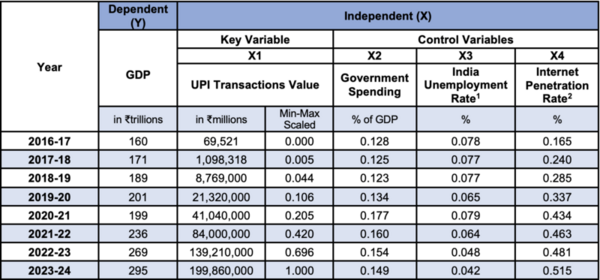
Locating sources of a high energy cosmic ray extensive air shower using HiSPARC data

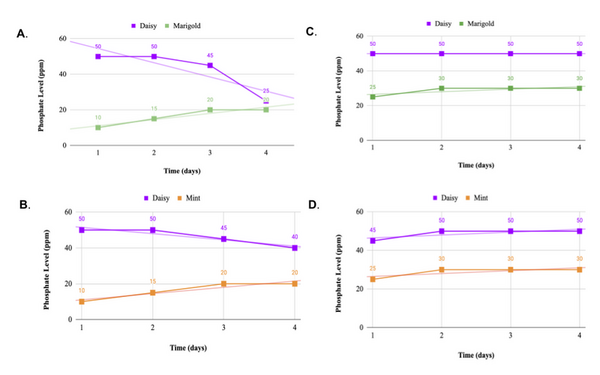
Using the data provided by the University of Twente High School Project on Astrophysics Research with Cosmics (HiSPARC), an analysis of locations for possible high-energy cosmic ray air showers was conducted. An example includes an analysis conducted of the high-energy rain shower recorded in January 2014 and the use of Stellariumâ„¢ to discern its location.

Read More...

A novel deep learning model for visibility correction of environmental factors in autonomous vehicles

Dey et al. | Oct 31, 2022

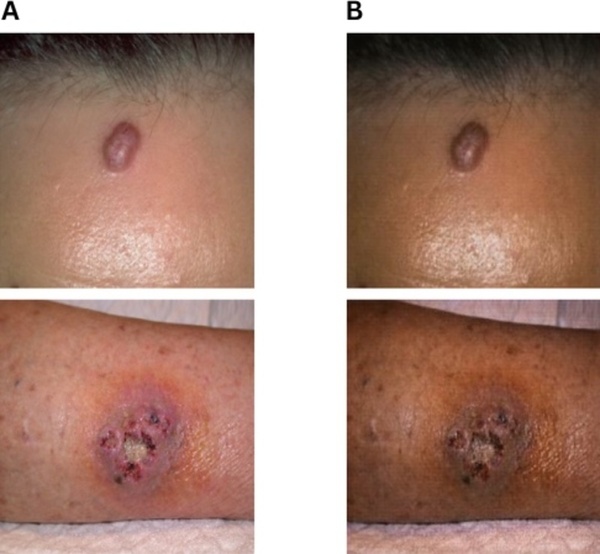
A novel deep learning model for visibility correction of environmental factors in autonomous vehicles

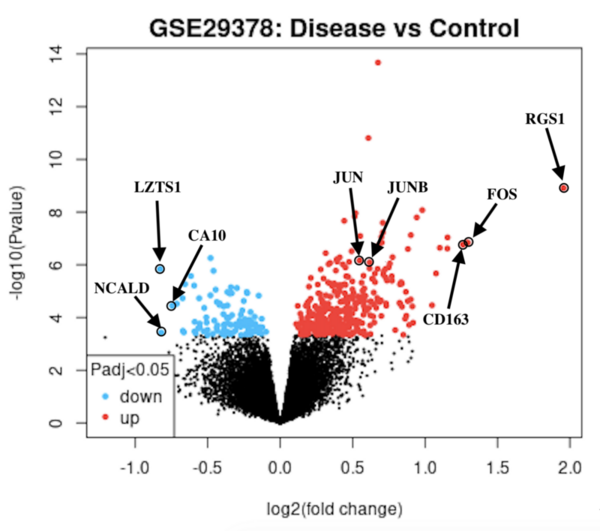
Intelligent vehicles utilize a combination of video-enabled object detection and radar data to traverse safely through surrounding environments. However, since the most momentary missteps in these systems can cause devastating collisions, the margin of error in the software for these systems is small. In this paper, we hypothesized that a novel object detection system that improves detection accuracy and speed of detection during adverse weather conditions would outperform industry alternatives in an average comparison.

Read More...

Zinc-related Treatments Combined with Chloroquine and Gemcitabine for Treating Pancreatic Cancer

Ma et al. | Sep 11, 2021

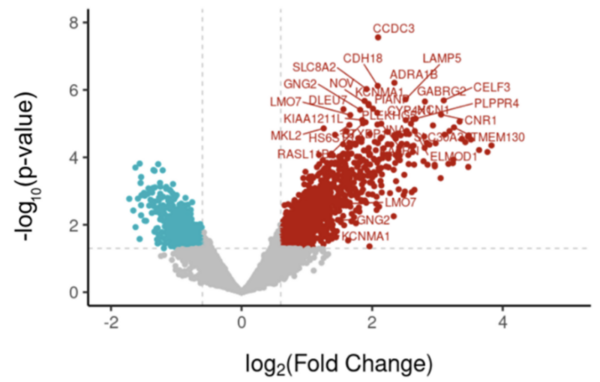
Zinc-related Treatments Combined with Chloroquine and Gemcitabine for Treating Pancreatic Cancer

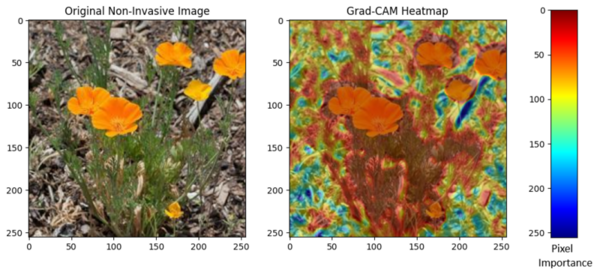
Pancreatic cancer is one of the deadliest cancers, with a 10% 5-year survival rate. The authors studied various dosages of TPEN and zinc in combination with Chloroquine and Gemcitabine as treatments to reduce cell proliferation. Results showed that when combined with Chloroquine and Gemcitabine, zinc and TPEN both significantly lowered cell proliferation compared to Gemcitabine, suggesting a synergistic effect that resulted in a more cytotoxic treatment. Further research and clinical trials on this topic are needed to determine whether this could be a viable treatment for pancreatic cancer.

Read More...