
In this study, the authors use quantitative digit ratio measurements and a survey of personality traits to evaluate the potential relationship between sex and levels of conscientiousness.
Read More...The relationship between digit ratio and personality: 4D:5D digit ratio, sex, and the trait of conscientiousness
In this study, the authors use quantitative digit ratio measurements and a survey of personality traits to evaluate the potential relationship between sex and levels of conscientiousness.
Read More...Comparing Consumer Personality and Brand Personality: Do Fashion Styles Speak of Who You Are?

This study investigated how fashion brand personalities are similar to people’s personalities and whether people may prefer a particular clothing brand based on their own personal traits. All together, Stevenson and Scott found that the Big Five Personality Factors are generally not related to participants’ preferred brand personalities. Generally, brands should consider different factors besides the Big Five Personality Factors for identifying potential customers.
Read More...Extroverts as Materialists: Correlating Personality Traits, Materialism, and Spending Behavior
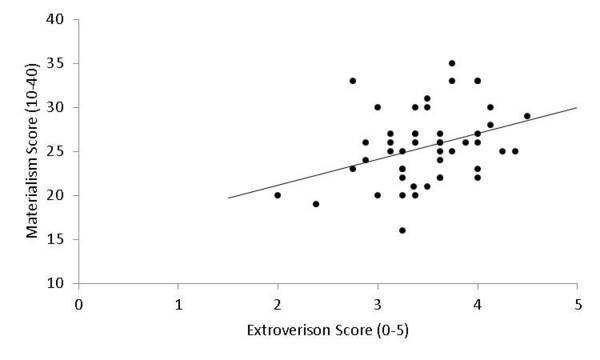
The authors investigated the relationship between personality traits and adolescent materialism, as well as how materialism relates to spending habits. Results indicate that extroversion was positively correlated with materialism, and that adolescents' purchases were affected by the purchasing behaviors of their friends or peers. Moreover, materialistic youth were more likely than non-materialistic youth to spend money on themselves when given a hypothetical windfall of $500.
Read More...The Effects of Birth Order on Indicators of Academic Success Among High School Students of Multiple Ethnicities
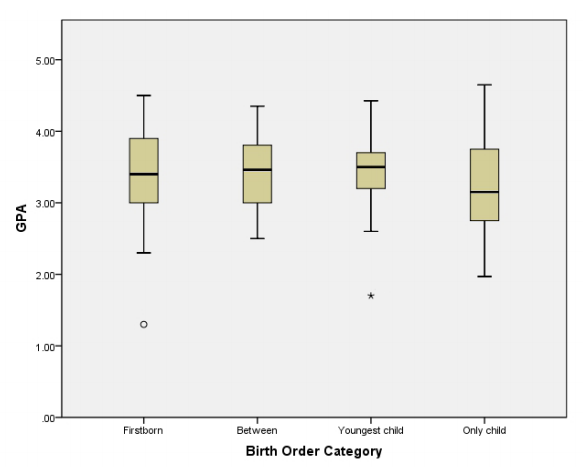
In many cultures and for many centuries, the implications of birth order have been examined. Birth order has been shown to affect personality, accomplishments, and even career choice. This study investigated the impact of birth order and ethnicity on two measures of academic success in high school: a student’s grade point average (GPA) and the number of Advanced Placement (AP) classes he or she took.
Read More...Examining cognitive differences between experienced and novice entrepreneurs
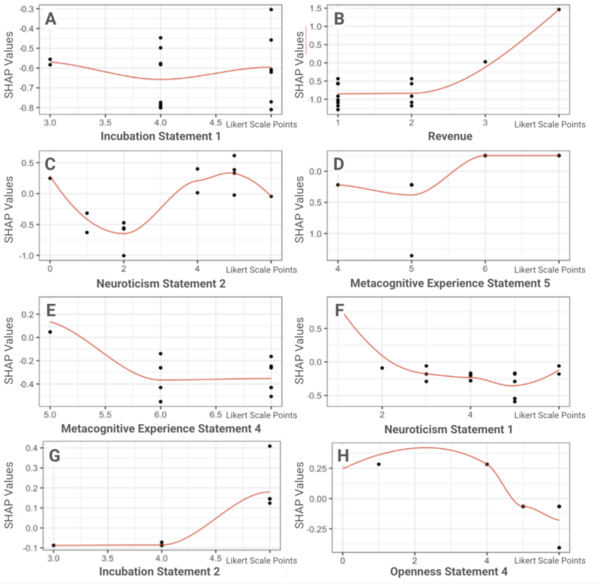
This study used surveys, interviews, and XGBoost analysis to examine how experienced and novice entrepreneurs differ in their thinking and decision-making.
Read More...High school students’ perceptions of third-party tracking and personalization
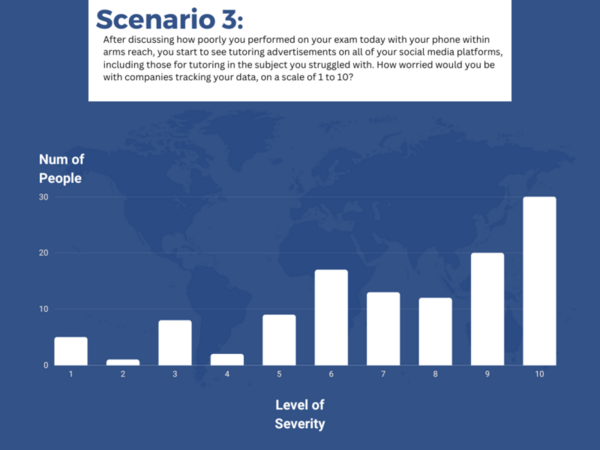
The authors looked at student perception on various situations involving third-party tracking to personalize recommendations.
Read More...Evaluating key factors in emotion detection models for AI-driven personalized bibliotherapy
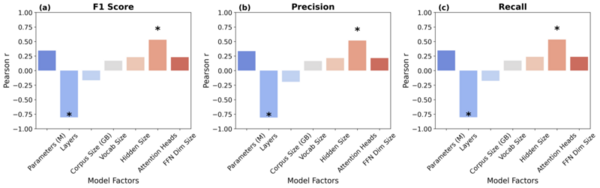
This study evaluates the potential of natural language processing (NLP) models in an emotion-driven bibliotherapy framework to improve mental health challenges.
Read More...Advancing pediatric cancer predictions through generative artificial intelligence and machine learning
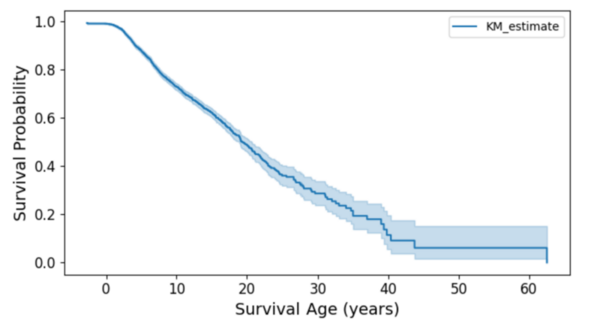
Pediatric cancers pose unique challenges due to their rarity and distinct biological factors, emphasizing the need for accurate survival prediction to guide treatment. This study integrated generative AI and machine learning, including synthetic data, to analyze 9,184 pediatric cancer patients, identifying age at diagnosis, cancer types, and anatomical sites as significant survival predictors. The findings highlight the potential of AI-driven approaches to improve survival prediction and inform personalized treatment strategies, with broader implications for innovative healthcare applications.
Read More...Upregulation of the Ribosomal Pathway as a Potential Blood-Based Genetic Biomarker for Comorbid Major Depressive Disorder (MDD) and PTSD
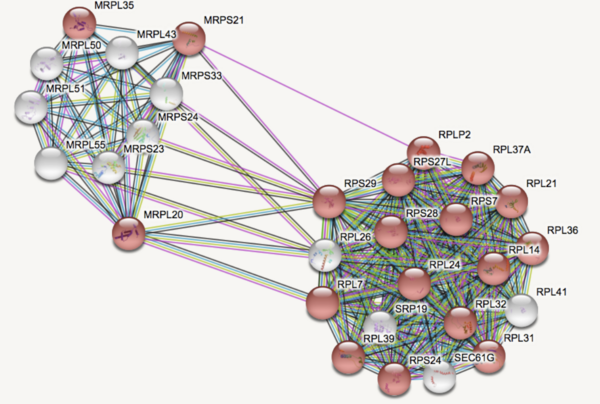
Major Depressive Disorder (MDD), and Post-Traumatic Stress Disorder (PTSD) are two of the fastest growing comorbid diseases in the world. Using publicly available datasets from the National Institute for Biotechnology Information (NCBI), Ravi and Lee conducted a differential gene expression analysis using 184 blood samples from either control individuals or individuals with comorbid MDD and PTSD. As a result, the authors identified 253 highly differentially-expressed genes, with enrichment for proteins in the gene ontology group 'Ribosomal Pathway'. These genes may be used as blood-based biomarkers for susceptibility to MDD or PTSD, and to tailor treatments within a personalized medicine regime.
Read More...Linear relationship between nanostructural features and coloring of biomimetic photonic material

Iridescent materials reflect different colored depending on viewing angle. This specific effect can be achieved by biomimetic photonic materials. This project models the quantitative relationship between these material’s coloring and its nanostructure to facilitate personalized design of art materials.
Read More...