Browse Articles

The extent to which storefront alcohol advertising differs by community profile in Michigan

Voyt et al. | May 17, 2023

The extent to which storefront alcohol advertising differs by community profile in Michigan
Image credit: Steve Harvey

Here, recognizing that alcohol manufacturers may target ethnic minorities and youths with specific forms of advertisements based on previous studies, the authors considered how alcohol storefronts differ depending on the community they are located in. Specifically, they looked at differences between Metro-Dtroit suburban communities of high- and low-incomes. They found that alcohol stores in the low-income areas had more and larger alcohol and malt liquor advertisements per store along with being within 1,000 feet of a school.

Read More...

Rethinking the electric vehicle tax policy: prioritizing affordable solutions for environmental impact

Miao et al. | Jan 26, 2026

Rethinking the electric vehicle tax policy: prioritizing affordable solutions for environmental impact

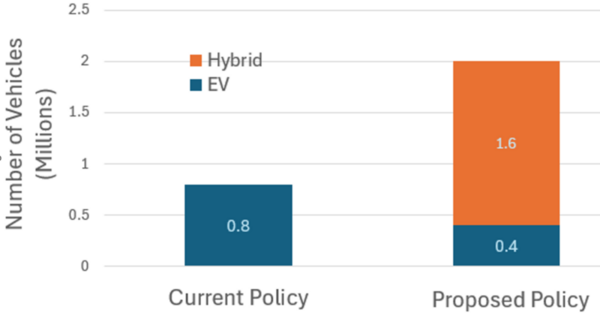
Car emissions harm both the environment and human health, and current U.S. EV tax credits mainly benefit high-income households because EVs are expensive. This study evaluates U.S. vehicle emissions policies by analyzing 2022 national vehicle data to compare the fuel economy and greenhouse gas impacts of the current EV tax credit with a proposed policy that incentivizes hybrid vehicle purchases.

Read More...

A Scientific Investigation of Alternative Growing Methods to Cultivate Lactuca sativa

Fishback et al. | Apr 23, 2020

A Scientific Investigation of Alternative Growing Methods to Cultivate Lactuca sativa

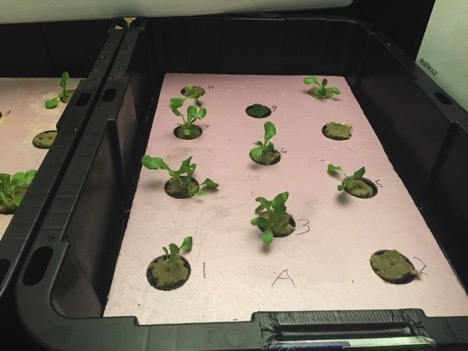
In this article, the authors compare different resource-efficient farming methods for the vegetable Lactuca sativa. They compared hydroponics (solid growth medium with added nutrients) to aquaponics (water with fish waste to provide nutrients) and determined efficacy by measuring plant height over time. While both systems supported plant growth, the authors concluded that aquaponics was the superior method for supporting Lactuca sativa growth. These findings are of great relevance as we continue to find the most sustainable and efficient means for farming.

Read More...

Determination of Optimal Relevant Joint Angles for Vertical Jump Height Across Teenagers with Differing Amounts of Jumping Experience

Bahng et al. | May 09, 2021

Determination of Optimal Relevant Joint Angles for Vertical Jump Height Across Teenagers with Differing Amounts of Jumping Experience

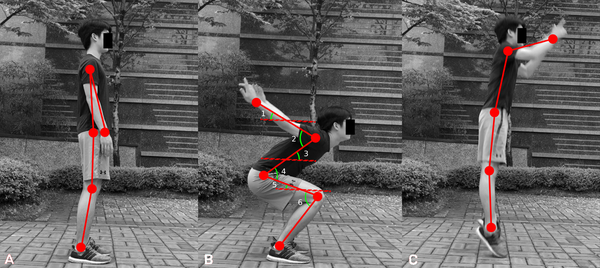
Reaching one’s maximum jump height requires optimizing one’s jump techniques. In order to find this optimal jump technique, three high school participants with varying vertical jump (VJ) abilities recorded videos of themselves with varying degrees of maximum/minimum shoulder, knee, and hip angles—with or without respect to the horizontal—at the isometric phase of a regular countermovement (CM) VJ or countermovement jump (CMJ). Results showed that the shoulder angle without respect to the horizontal (SA), knee angle with respect to the horizontal (KAH), and the hip angle with respect to the horizontal (HAH) possessed a more consistent correlation with VJ height across the subjects compared to the same respective angles with opposite relations to the horizontal.

Read More...

Correlation of socioeconomic status and lead concentration in tap water in Missouri

Rabbani et al. | Feb 03, 2022

Correlation of socioeconomic status and lead concentration in tap water in Missouri

Organic and non-organic contaminants in tap water have been linked to adverse health effects. Tap water is a major source of lead, which is neurotoxic and poses a major health risk, particularly to children and pregnant women. Using publicly available annual water quality reports data for the state of Missouri, the authors show that communities with lower median household income and lower per capita incomes had significantly higher lead levels in their tap water.

Read More...