
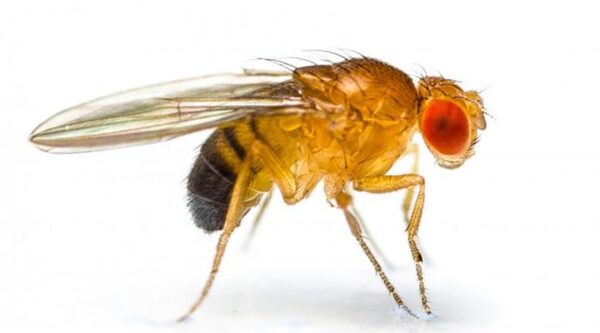
In this study, the authors examined the effects of commonly used pesticides (metolachlor, glyphosate, chlorpyrifos, and atrazine) on population size, motor function, and learning in Drosophila melanogaster.
Read More...Effects of Common Pesticides on Population Size, Motor Function, and Learning Capabilities in Drosophilia melanogaster
In this study, the authors examined the effects of commonly used pesticides (metolachlor, glyphosate, chlorpyrifos, and atrazine) on population size, motor function, and learning in Drosophila melanogaster.
Read More...RETRACTED: Effect of Curcumin on Motor Behaviors in Drosophila melanogaster PINK1 Mutant Parkinson’s Model
This manuscript was retracted on March 22, 2021 as it did not adhere to JEI's submission requirements with respect to author permissions. All authors on the manuscript agreed to its removal.
Read More...Initiating astrocyte to neuron transdifferentiation via miR-124a: implications in neurodegenerative disease
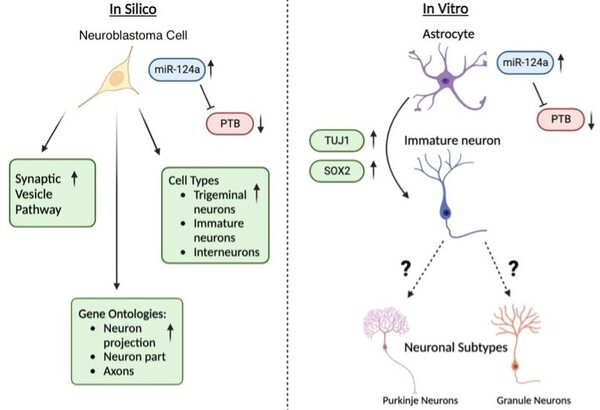
The authors looked at whether they could induce the formation of new neurons from astrocytes via the upregulation of a microRNA (miR-124a). They found that upregulation of miR-124a started transdifferentiation of neurons, but was not enough to lead to full conversion of astrocytes to neurons.
Read More...Starts and Stops of Rhythmic and Discrete Movements: Modulation in the Excitability of the Corticomotor Tract During Transition to a Different Type of Movement
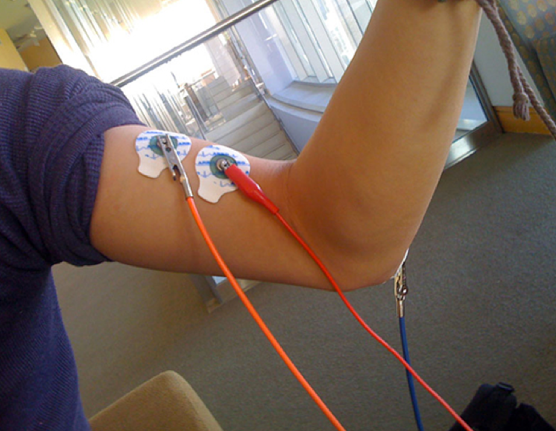
Control of voluntary and involuntary movements is one of the most important aspects of human neurological function, but the mechanisms of motor control are not completely understood. In this study, the authors use transcranial magnetic stimulation (TMS) to stimulate a portion of the motor cortex while subjects performed either discrete (e.g. throwing) or rhythmic (e.g. walking) movements. By recording electrical activity in the muscles during this process, the authors showed that motor evoked potentials (MEPs) measured in the muscles during TMS stimulation are larger in amplitude for discrete movements than for rhythmic movements. Interestingly, they also found that MEPs during transitions between rhythmic and discrete movements were nearly identical and larger in amplitude than those recorded during either rhythmic or discrete movements. This research provides important insights into the mechanisms of neurological control of movement and will serve as the foundation for future studies to learn more about temporal variability in neural activity during different movement types.
Read More...High-throughput virtual screening of novel dihydropyrimidine monastrol analogs reveals robust structure-activity relationship to kinesin Eg5 binding thermodynamics
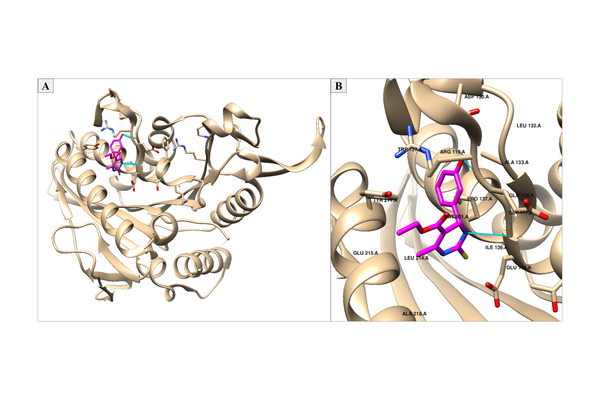
As cancer continues to take millions of lives worldwide, the need to create effective therapeutics for the disease persists. The kinesin Eg5 assembly motor protein is a promising target for cancer therapeutics as inhibition of this protein leads to cell cycle arrest. Monastrol, a small dihydropyrimidine-based molecule capable of inhibiting the kinesin Eg5 function, has attracted the attention of medicinal chemists with its potency, affinity, and specificity to the highly targeted loop5/α2/α3 allosteric binding pocket. In this work, we employed high-throughput virtual screening (HTVS) to identify potential small molecule Eg5 inhibitors from a designed set of novel dihydropyrimidine analogs structurally similar to monastrol.
Read More...The development of FeO(OH) nanoparticles to extract synthetic motor oil from freshwater
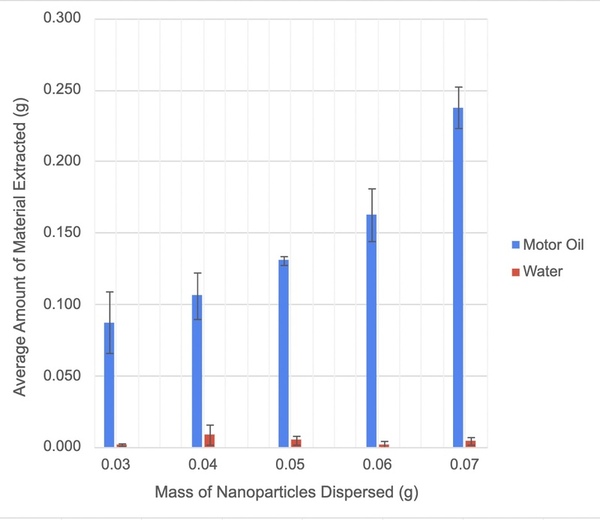
This study aimed to combat widespread hydrocarbon residue persistently polluting global water sources by developing and testing the ability of modified iron(III) oxide-hydroxide (FeO(OH)) nanoparticles to remove small amounts of motor oil from freshwater
Read More...Can Children Acquire Their Parents’ History of Fracture?
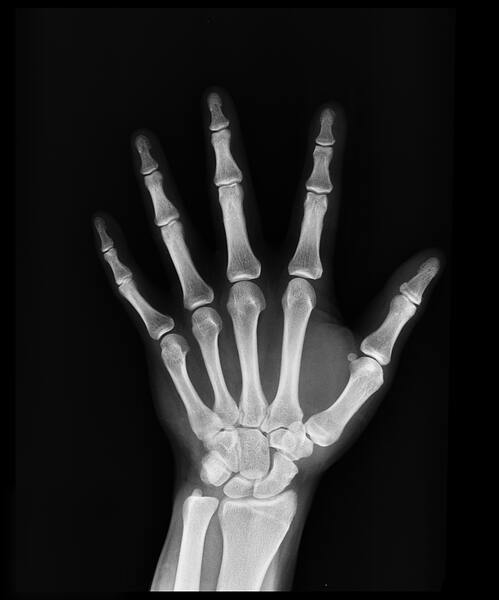
While the genetic basis of hip fracture risk has been studied extensively in adults, it is not known whether parental history of bone fractures affects their children's fracture risk. In this article, the authors investigated whether a parental history of bone fractures influences the rate of fractures in their children. They found that adolescent children whose parents had a more extensive history of fractures were more likely to have a history of fractures themselves, suggesting that parents' medical histories may be an important consideration in future pediatric health research.
Read More...A Novel Method for Assessment of Proprioception

Trevithick & Park were interested in whether proprioception, the sense of the relative position of body parts and movement, differed between varsity and non-varsity athletes, as well as between the sport practiced. The authors found that there was no correlation between athleticism and better proprioception, but that dancers had superior proprioceptive abilities compared to those that practiced other sports.
Read More...Governing Glioblastoma: A novel therapy to restore motor control and mitigate glioblastoma proliferation
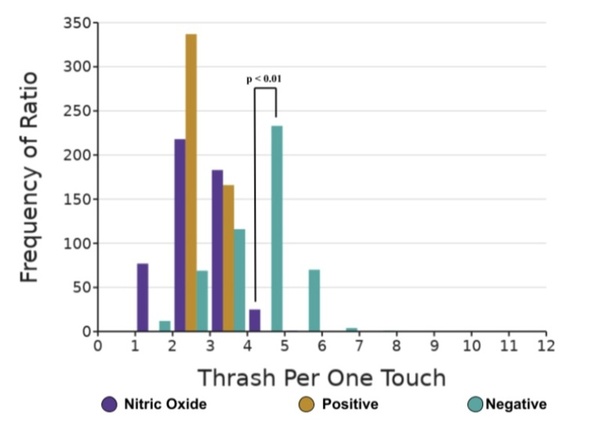
The authors looked at ways that seizures in patients with glioblastoma could be treated using C. elegans as a model system.
Read More...Comparing transformer and RNN models in BCIs for handwritten text decoding via neural signals
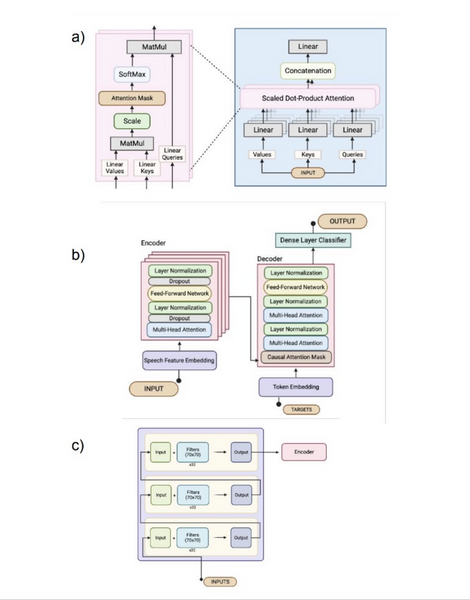
Brain-Computer Interface (BCI) allows users, especially those with paralysis, to control devices through brain activity. This study explored using a custom transformer model to decode neural signals into handwritten text for individuals with limited motor skills, comparing its performance to a traditional RNN-based BCI.
Read More...