Browse Articles

Public Perception of the Effects of Artificial Sweeteners on Diabetes Based on YouTube Comments

Kim et al. | Jun 25, 2024

Public Perception of the Effects of Artificial Sweeteners on Diabetes Based on YouTube Comments
Image credit: The authors

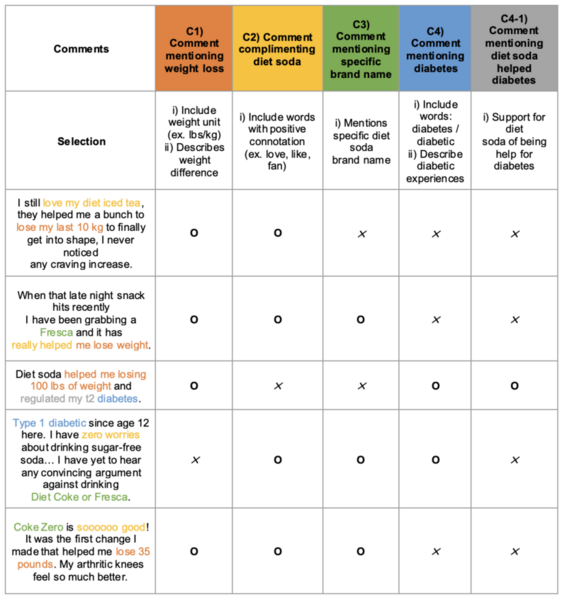
Artificial sweeteners are rising in popularity, in part due to the influence of social media platforms like YouTube. However, YouTube commenters often repeat information about artificial sweeteners that is not supported by scientific research. To investigate how misinformation about sweeteners spreads through social media, Kim and Yoo conduct a content analysis of YouTube comments to reveal how many comments repeat misinformation about artificial sweeteners' effects.

Read More...
A five-year retrospective analysis of Tuberculosis risk factors and their variability in the United States

Kini et al. | Mar 14, 2026

A five-year retrospective analysis of Tuberculosis risk factors and their variability in the United States
Image credit: Kini, Diaz Gaviria, Diaz, and Kini

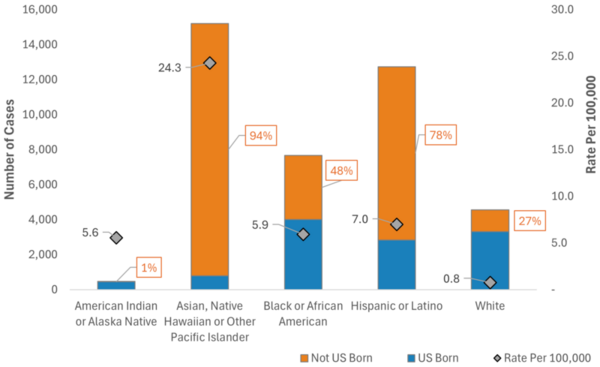
The main goal of this study is to determine what demographics are related to tuberculosis incidence in the United States populations, particularly if changing demographics are related to differences in tuberculosis risk over two discrete time periods. The major finding is that in the two studied time periods, tuberculosis risk factors were somewhat consistent and may be influenced by things such as immigration, healthcare access, and race or ethnicity, although the top predictor did change.

Read More...

Who is at Risk for a Spinal Fracture? – A Comparative Study of National Health and Nutrition Examination Survey Data

He et al. | Mar 01, 2018

Who is at Risk for a Spinal Fracture? – A Comparative Study of National Health and Nutrition Examination Survey Data

One common age-related health problem is the loss of bone mineral density (BMD), which can lead to a variety of negative health outcomes, including increased risk of spinal fracture. In this study, the authors investigate risk factors that may be predictive of an individual's risk of spinal fracture. Their findings provide valuable information that clinicians can use in patient evaluations.

Read More...

How are genetically modified foods discussed on TikTok? An analysis of #GMOFOODS

Basch et al. | Nov 20, 2023

How are genetically modified foods discussed on TikTok? An analysis of #GMOFOODS
Image credit: Camilo Jimenez

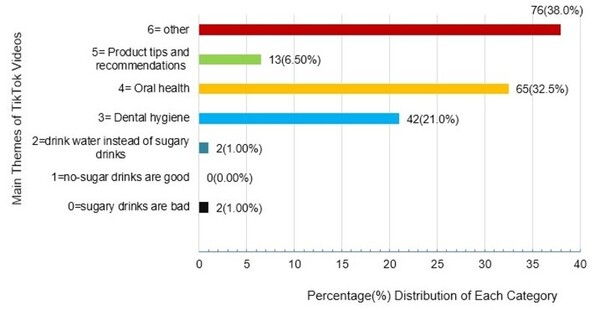
Here, the authors investigated engagement with #GMOFOODS, a hashtag on TikTok. They hypothesized that content focused on the negative effects of genetically modified organisms would receive more interaction driven by consumers. They found that the most common cateogry focused on the disadvantages of GMOs related to nutrition and health with the number of views determining if the video would be provided to users.

Read More...

The Effects of Antioxidants on the Climbing Abilities of Drosophila melanogaster Exposed to Dental Resin

Prashanth et al. | Jan 17, 2019

The Effects of Antioxidants on the Climbing Abilities of <em>Drosophila melanogaster</em> Exposed to Dental Resin

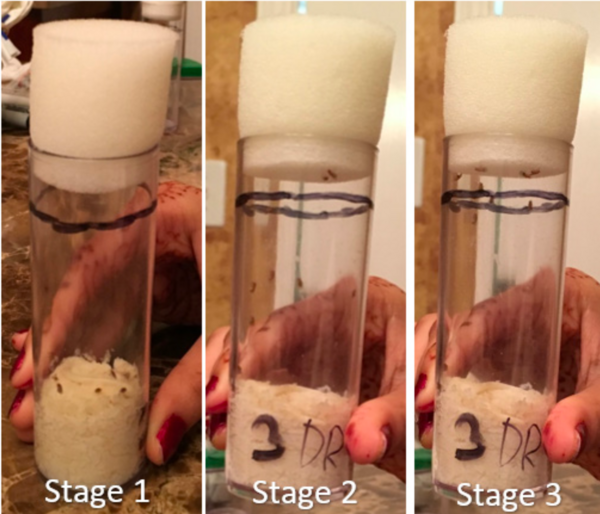
Dental resins can be a source of reactive oxygen species (ROS) which in unruly amounts can be toxic to cellular and overall health. In this report, the authors test whether the consumption of antioxidant rich foods like avocado and asparagus can protect against the effect of dental resin-derived ROS. However, rather than testing humans, they use fruit flies and their climbing abilities as an experimental readout.

Read More...

Analyzing relationships and distribution between age, sex, and eye disease at IGMCH eye OPD

Sareen et al. | Feb 20, 2025

Analyzing relationships and distribution between age, sex, and eye disease at IGMCH eye OPD
Image credit: Amanda Dalbjörn

This study analyzed patient demographics in the ophthalmology department at Indira Gandhi Medical College and Hospital (IGMCH) to assess relationships between age, sex, and eye conditions. While the overall sex distribution was equal, individual conditions varied, with cataracts and retinal disorders more common in males and conjunctival conditions slightly more prevalent in females, though none were statistically significant (p > 0.05) except for cataract patients aged 50–89 (p < 0.001). Understanding these trends can help medical facilities allocate resources more effectively for improved patient care.

Read More...