Water tubing injury patterns among different demographics: A NEISS study
(1) The Haverford School
https://doi.org/10.59720/24-325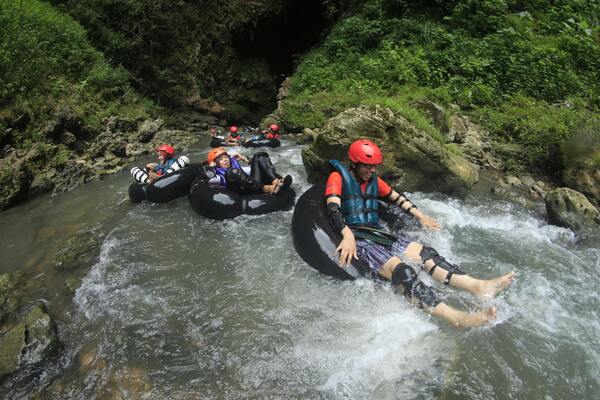
Water tubing/rafting is a popular recreational activity in the United States, especially during warmer months. This activity results in various types of incidents such as falling off the inflatable, colliding with another person, or colliding with obstacles. Despite the widespread participation in water tubing and the related high injury risks, there is insufficient research on water tubing injury patterns. To address this gap in knowledge, we sought to analyze water tubing injury patterns across different sex and age groups to determine whether additional safety measures should be implemented. We hypothesized that there are differences in injury patterns - specifically injured anatomical regions and diagnoses - between males and females, and between age groups of people in the U.S. who present to the emergency department following water tubing injuries. Differences in injury patterns between demographics would suggest that targeted safety measures should be implemented based on the participant’s demographic characteristics. We analyzed National Electronic Injury Surveillance System (NEISS) data for water tubing related U.S emergency department visits from 2014-2023. There were no differences in injury patterns between male and female participants. Individuals aged 20+ had more trunk and lower extremity injuries than those aged 0-19. These findings reveal important information about water tubing injuries and suggest that a participant’s demographic does not have a substantial influence on injury characteristics.
This article has been tagged with: