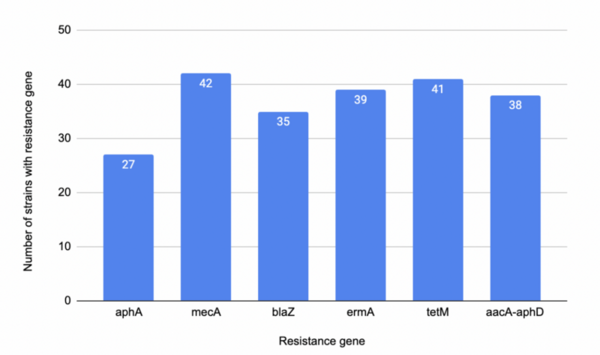
The authors looked at how the presence of difference antibiotic resistance genes would influence antibiotic resistance in Staphylococcus aureus.
Read More...Analysis of antibiotic resistance genes in publicly accessible Staphylococcus aureus genomes
The authors looked at how the presence of difference antibiotic resistance genes would influence antibiotic resistance in Staphylococcus aureus.
Read More...Expression of Anti-Neurodegeneration Genes in Mutant Caenorhabditis elegans Using CRISPR-Cas9 Improves Behavior Associated With Alzheimer’s Disease

Alzheimer's disease is one of the leading causes of death in the United States and is characterized by neurodegeneration. Mishra et al. wanted to understand the role of two transport proteins, LRP1 and AQP4, in the neurodegeneration of Alzheimer's disease. They used a model organism for Alzheimer's disease, the nematode C. elegans, and genetic engineering to look at whether they would see a decrease in neurodegeneration if they increased the amount of these two transport proteins. They found that the best improvements were caused by increased expression of both transport proteins, with smaller improvements when just one of the proteins is overly expressed. Their work has important implications for how we understand neurodegeneration in Alzheimer's disease and what we can do to slow or prevent the progression of the disease.
Read More...Plasmid Variance and Nutrient Regulation of Bioluminescence Genes
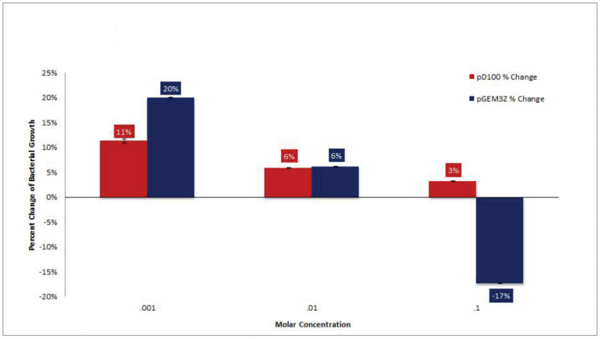
Numerous organisms, including the marine bacterium Aliivibrio fischeri, produce light. This bioluminescence is involved in many important symbioses and may one day be an important source of light for humans. In this study, the authors investigated ways to increase bioluminescence production from the model organism E. coli.
Read More...Expressional correlations between SERPINA6 and pancreatic ductal adenocarcinoma-linked genes
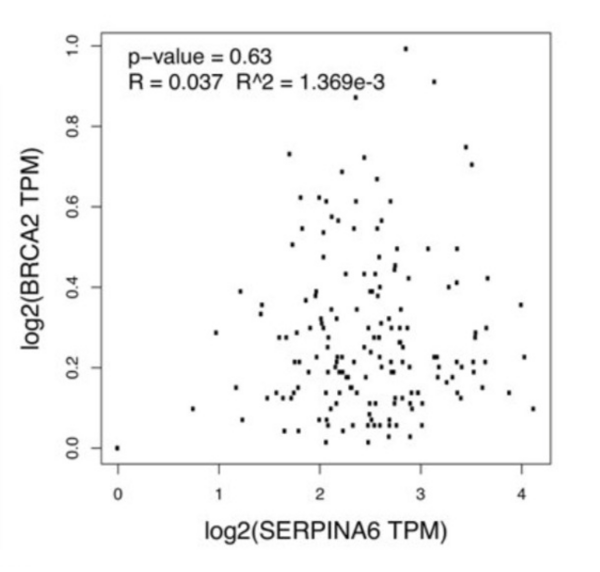
Pancreatic ductal adenocarcinoma (PDAC) is the most common form of pancreatic cancer, with early diagnosis and treatment challenges. When any of the genes KRAS, SMAD4, TP53, and BRCA2 are heavily mutated, they correlate with PDAC progression. Cellular stress, partly regulated by the gene SERPINA6, also correlates with PDAC progression. When SERPINA6 is highly expressed, corticosteroid-binding globulin inhibits the effect of the stress hormone cortisol. In this study, the authors explored whether there is an inverse correlation between the expression of SERPINA6 and PDAC-linked genes.
Read More...Applying centrality analysis on a protein interaction network to predict colorectal cancer driver genes
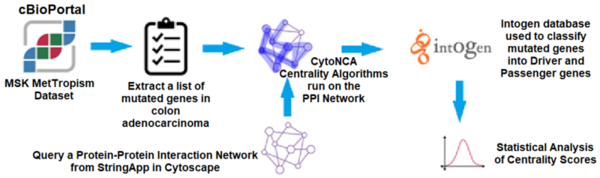
In this article the authors created an interaction map of proteins involved in colorectal cancer to look for driver vs. non-driver genes. That is they wanted to see if they could determine what genes are more likely to drive the development and progression in colorectal cancer and which are present in altered states but not necessarily driving disease progression.
Read More...Integrated expression, mutation, and survival analysis of 17 key genes in breast cancer using TCGA-BRCA data
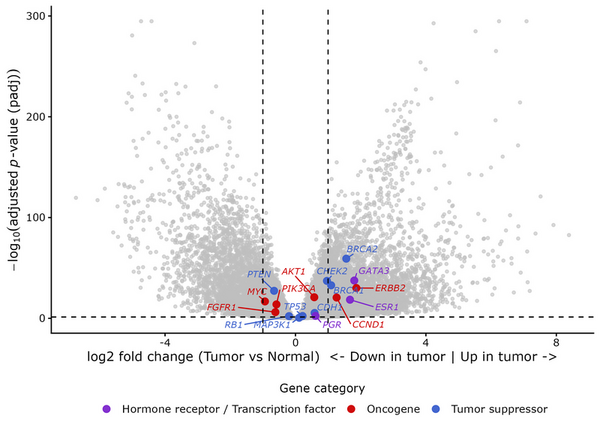
This study combines gene expression, mutation profiling, and survival analysis of 17 clinically important genes in breast cancer, utilizing the TCGA-BRCA dataset. Our results show that there are different patterns of oncogene upregulation, different levels of tumor suppressor activity, and complicated survival associations. TP53 was the most frequently mutated gene in this cohort. The results underscore the significance of multidimensional genomic analyses for a comprehensive understanding of breast cancer biology and its therapeutic ramifications.
Read More...Analyzing the effects of genetic mutations in BRCA1, BRCA2, BARD1, and MLH1 in causing different cancers
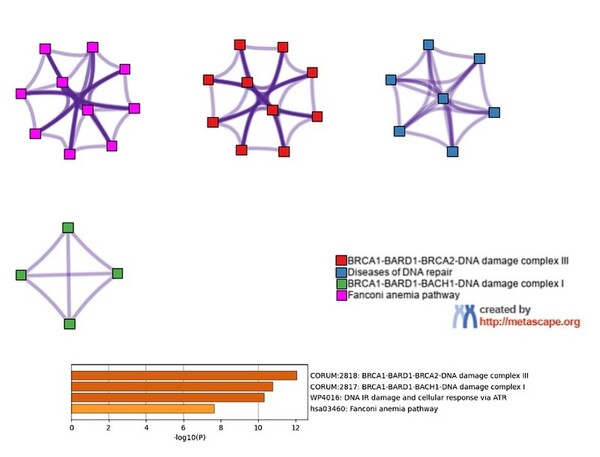
This paper utilizes multiple publicly available cancer datasets to explore the abundance of different genetic dependencies across various cancer types. They explore this by looking at four genes highly associated with cancer and their genetic and pathogenic relationships.
Read More...The effects of dysregulated ion channels and vasoconstriction in glioblastoma multiforme
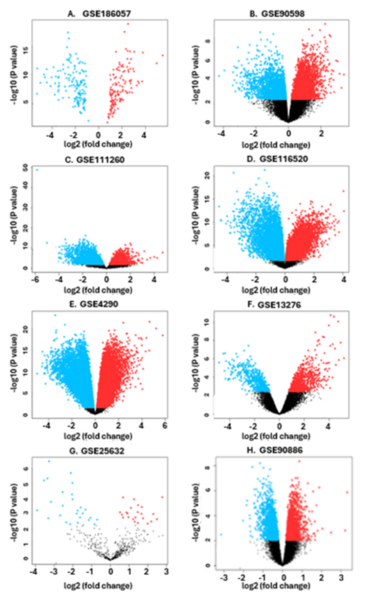
Gene expression analysis of febrile seizure’s impact on mesial temporal lobe epilepsy
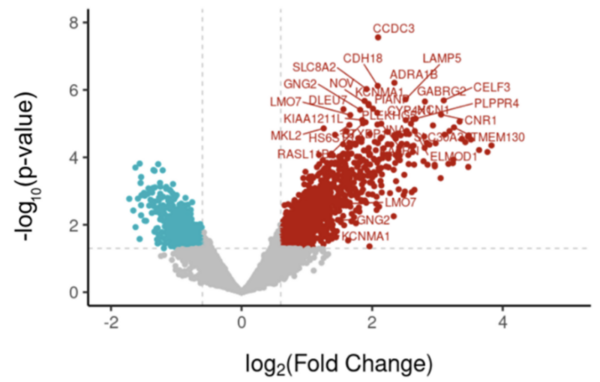
The authors looked at genes that were differentially expressed in patients who had and had not had febrile seizures to determine what differences in gene expression existed.
Read More...DNA repair protein mutations alter blood cancer sensitivity to cisplatin or gemcitabine in vitro
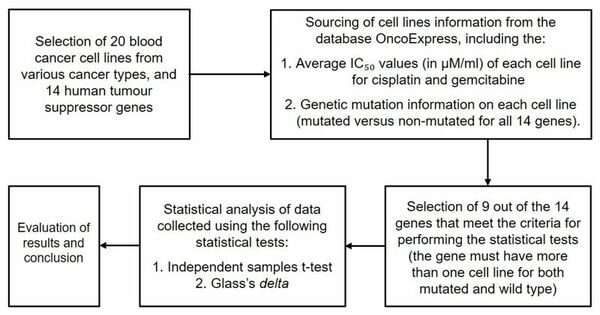
The authors investigate whether human blood cancers carrying mutations in DNA repair genes possess increased sensitivity to common chemotherapy drugs cisplatin or gemcitabine.
Read More...