Browse Articles

Investigating the inhibition of catabolic enzymes for implications in cardiovascular diseases and diabetes

Gandhi et al. | Aug 25, 2024

Investigating the inhibition of catabolic enzymes for implications in cardiovascular diseases and diabetes
Image credit: The authors

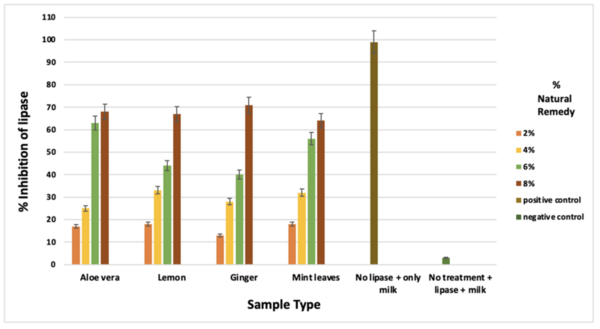
Enzymes that metabolize carbohydrates and lipids play a key role in our health, including global health challenges like cardiovascular diseases and diabetes. To learn more about these important enzymes, Gandhi and Gandhi test whether various natural substances (ginger, Aloe vera, lemon, and mint leaves) affect the activity of α-amylase and lipase enzymes.

Read More...
Modular mimics of neuroactive alkaloids - design, synthesis, and cholinesterase inhibitory activity of rivastigmine analogs

Yu et al. | Sep 12, 2022

Modular mimics of neuroactive alkaloids - design, synthesis, and cholinesterase inhibitory activity of rivastigmine analogs

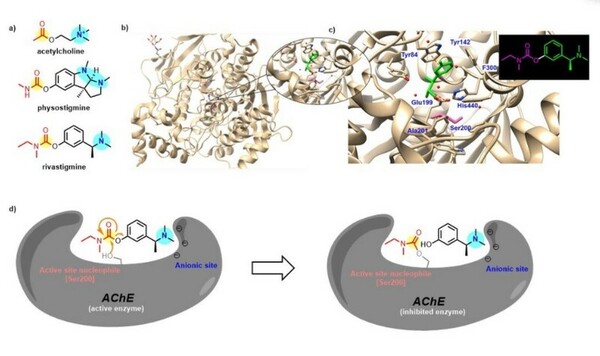
Naturally occurring neuroactive alkaloids are often studied for their potential to treat Neurological diseases. This team of students study Rivastigmine, a potent cholinesterase inhibitor that is a synthetic analog of physostigmine, which comes from the Calabar bean plant Physostigma venenosum. By comparing the effects of optimized synthetic analogs to the naturally occurring alkaloid, they determine the most favorable analog for inhibition of acetylcholinesterase (AChE), the enzyme that breaks down the neurotransmitter acetylcholine (ACh) to terminate neuronal transmission and signaling between synapses.

Read More...

Mutation of the Catalytic Cysteine in Anopheles gambiae Transglutaminase 3 (AgTG3) Abolishes Plugin Crosslinking Activity without Disrupting Protein Folding Properties

Pham et al. | May 02, 2014

Mutation of the Catalytic Cysteine in <em>Anopheles gambiae</em> Transglutaminase 3 (AgTG3) Abolishes Plugin Crosslinking Activity without Disrupting Protein Folding Properties

Malaria is a major public health issue, especially in developing countries, and vector control is a major facet of malaria eradication efforts. Recently, sterile insect technique (SIT), or the release of sterile mosquitoes into the wild, has shown significant promise as a method of keeping vector populations under control. In this study, the authors investigate the Anopheles gambiae transglutaminase 3 protein (AgT3), which is essential to the mating of the Anopheles mosquito. They show that an active site mutation is able to abolish the activity of the AgT3 enzyme and propose it as a potential target for chemosterilant inhibitors.

Read More...

Strain-selective in vitro and in silico structure activity relationship (SAR) of N-acyl β-lactam broad spectrum antibiotics

Poosarla et al. | Oct 19, 2021

Strain-selective <i>in vitro</i> and <i>in silico</i> structure activity relationship (SAR) of N-acyl β-lactam broad spectrum antibiotics

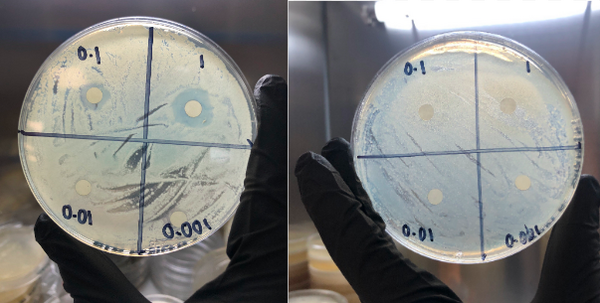
In this study, the authors investigate the antibacterial efficacy of penicillin G and its analogs amoxicillin, carbenicillin, piperacillin, cloxacillin, and ampicillin, against four species of bacteria. Results showed that all six penicillin-type antibiotics inhibit Staphylococcus epidermidis, Escherichia coli, and Neisseria sicca with varying degrees of efficacy but exhibited no inhibition against Bacillus cereus. Penicillin G had the greatest broad-spectrum antibacterial activity with a high radius of inhibition against S. epidermidis, E. coli, and N. sicca.

Read More...

Potential Multifunctional Agents for Dual Therapy of Age-Related and Associated Diseases: Alzheimer’s Disease and Type 2 Diabetes Mellitus

Kumar et al. | Nov 13, 2019

Potential Multifunctional Agents for Dual Therapy of Age-Related and Associated Diseases: Alzheimer’s Disease and Type 2 Diabetes Mellitus

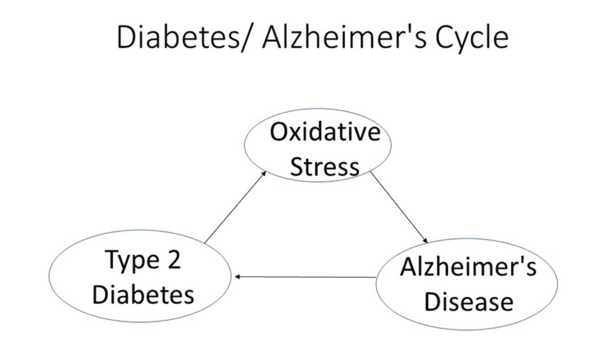
Studies show an age-related link between Alzheimer’s Disease and Type 2 Diabetes Mellitus with oxidative stress a characteristic of both. Here, methanolic fractionations and extracts of four Ayurvedic plants were assessed for their protective abilities using a number of in vitro assays. Extracts inhibited oxidative stress and reduced activity of key enzymes involved in the pathogenesis of both diseases in neuroblastoma cells.

Read More...

In silico modeling of emodin’s interactions with serine/threonine kinases and chitosan derivatives

Suresh et al. | Jan 10, 2022

<i>In silico</i> modeling of emodin’s interactions with serine/threonine kinases and chitosan derivatives

Here, through protein-ligand docking, the authors investigated the effect of the interaction of emodin with serine/threonine kinases, a subclass of kinases that is overexpressed in many cancers, which is implicated in phosphorylation cascades. Through molecular dynamics theyfound that emodin forms favorable interactions with chitosan and chitosan PEG (polyethylene glycol) copolymers, which could aid in loading drugs into nanoparticles (NPs) for targeted delivery to cancerous tissue. Both polymers demonstrated reasonable entrapment efficiencies, which encourages experimental exploration of emodin through targeted drug delivery vehicles and their anticancer activity.

Read More...