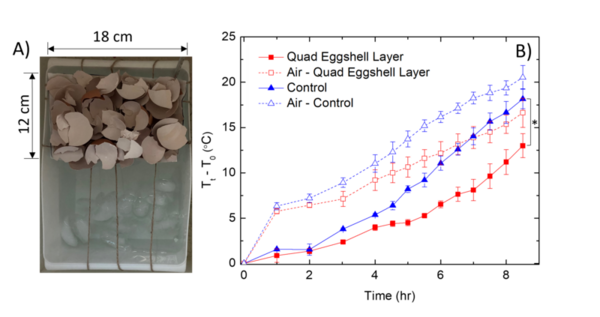
The authors looked at the ability of eggshells to slow ice melting. They found that eggshells were able to increase ice melting time when crushed showing that they were an effective thermal barrier.
Read More...Slowing ice melting from thermal radiation using sustainable, eco-friendly eggshells
The authors looked at the ability of eggshells to slow ice melting. They found that eggshells were able to increase ice melting time when crushed showing that they were an effective thermal barrier.
Read More...Ultraviolet exposure and thermal mass variation on surface temperature responses in building materials
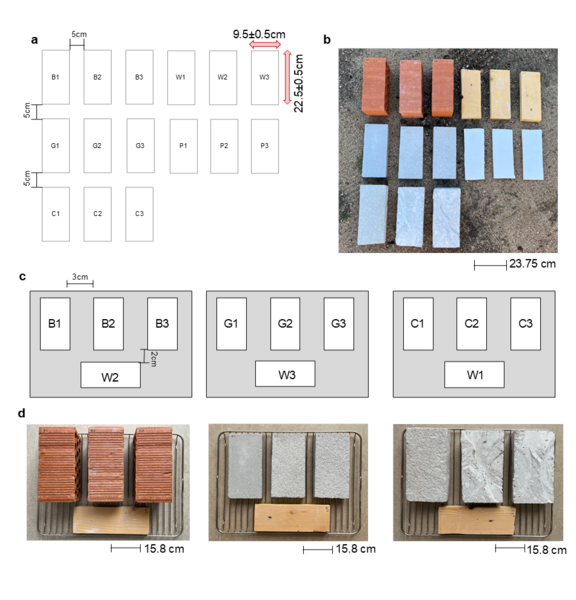
The authors studied the response of various construction materials to UV solar radiation and heat.
Read More...The Non-Thermal Effect of UV-B Irradiation on Onion Growth
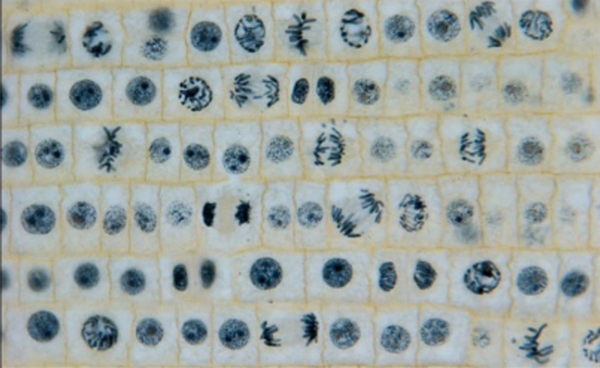
UV-B radiation due to the depletion of ozone threatens plant life, potentially damaging ecosystems and dismantling food webs. Here, the impact of UV-B radiation on the physiology and morphology of Allum cepa, the common onion, was assessed. Mitosis vitality decreased, suggesting UV-B damage can influence the plant’s physiology.
Read More...Thermoelectric Power Generation: Harnessing Solar Thermal Energy to Power an Air Conditioner
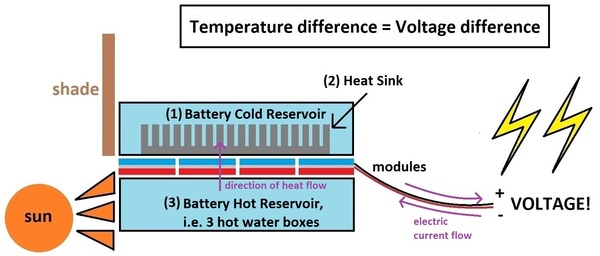
The authors test the feasibility of using thermoelectric modules as a power source and as an air conditioner to decrease reliance on fossil fuels. The results showed that, at its peak, their battery generated 27% more power – in watts per square inch – than a solar panel, and the thermoelectric air conditioner operated despite an unsteady input voltage. The battery has incredible potential, especially if its peak power output can be maintained.
Read More...Changes for Development of Al2O3 Coated PVA (Polyvinyl Alcohol) Composite Nonwoven Separator For Improving Thermal and Electrochemical Properties

Lithium-ion batteries, a breakthrough in chemistry that enabled the electronic revolution we live today have become an essential part of our day-to-day life. A phone battery running out after a heavy day of use with limited opportunities for recharging is a well-known and resented experience by almost everyone. How then can we make batteries more efficient? This paper proposes the use of a different type of separator, that improves the charging and discharging capacities of lithium ions compared to the classical separator. This and similar attempts to improve Lithium-ion battery function could facilitate the development of higher-performance batteries that work longer and withstand harsher use.
Read More...Predicting Orbital Resonance of 2867 Šteins Using the Yarkovsky Effect
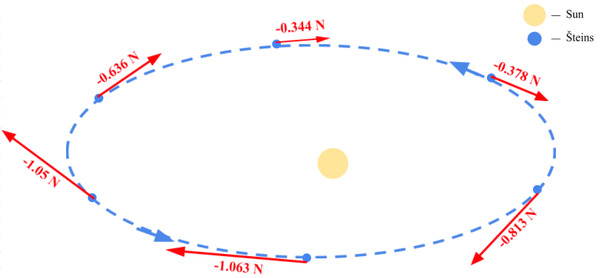
In this study, the impact of thermal effects on the orbit of an asteroid is investigated. This included determining if the asteroid's orbit would push into a region devoid of asteroids due to the gravitational pull of Jupiter.
Read More...Fundamental understanding on the dynamic reactions of liquid gallium with aluminum

This study investigates the dynamic reaction between liquid gallium and aluminum, which poses a challenge when using high-performance gallium-rich thermal interface materials for electronic cooling. Through the usage of in-situ microscopy, we show that while aluminum oxide coatings slow gallium-induced damage, nanometer-thick iridium coatings effectively prevent reaction and surface degradation at device-operating temperatures. These findings highlight a promising thermal-cooling architecture for extending the lifespan and reliability of high-power electronic heat dissipation systems.
Read More...Innovative use of recycled textile fibers in building materials: A circular economy approach
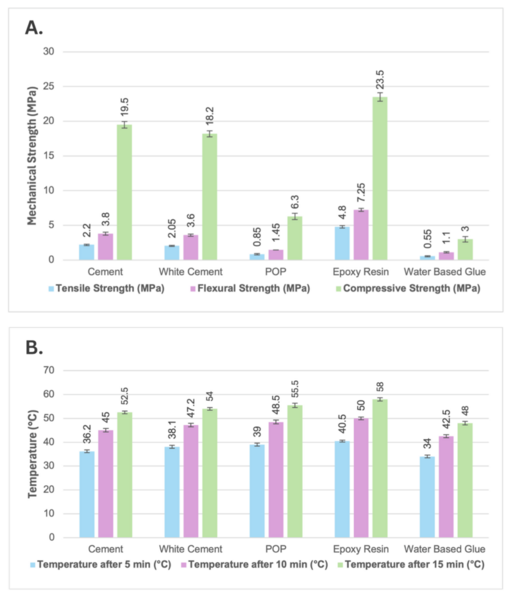
Textile waste from the fashion industry is a major environmental pollutant, but recycling waste into novel building material is a strategy to reduce the negative effects. This manuscript characterized five different binders that can be used to repurpose textile waste into bricks for construction purposes. Water-based glue, cement, white cement, plaster of Paris, and epoxy resin were mixed with shredded textile waste, and the mechanical characteristics and thermal insulation of each brick type were measured. Bricks with increased mechanical strength had the poorest thermal resistance, and the contrasting properties would suit different building purposes. This work provides a first step in generating recycled textile bricks for construction in a circular economy framework.
Read More...Machine learning-based enzyme engineering of PETase for improved efficiency in plastic degradation
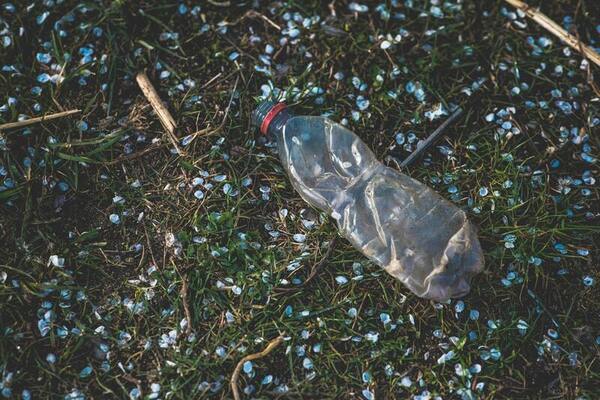
Here, recognizing the recognizing the growing threat of non-biodegradable plastic waste, the authors investigated the ability to use a modified enzyme identified in bacteria to decompose polyethylene terephthalate (PET). They used simulations to screen and identify an optimized enzyme based on machine learning models. Ultimately, they identified a potential mutant PETases capable of decomposing PET with improved thermal stability.
Read More...Investigating sustainable insulation materials: Analysis of biofoams and petroleum-derived foams
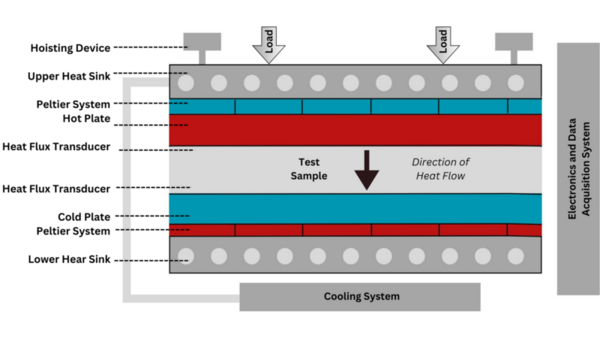
The authors looked into eco-friendly alternatives for insulating material. They ultimately found that a polyurethane derived from eggshells was an effective insulator and further research into it is warranted.
Read More...