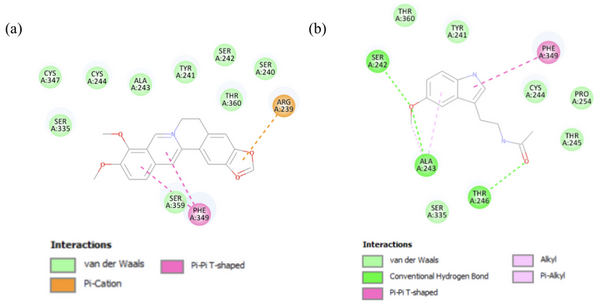
The authors looked at the ability of berberine in combination with melatonin to have anticancer effects when tested in an in vitro cell model.
Read More...Novel anticancer effects of melatonin and berberine via signaling pathways in colorectal cancer and lymphoma
The authors looked at the ability of berberine in combination with melatonin to have anticancer effects when tested in an in vitro cell model.
Read More...Combinatorial treatment by siNOTCH and retinoic acid decreases A172 brain cancer cell growth

Treatments inhibiting Notch signaling pathways have been explored by researchers as a new approach for the treatment of glioblastoma tumors, which is a fast-growing and aggressive brain tumor. Recently, retinoic acid (RA) therapy, which inhibits Notch signaling, has shown a promising effect on inhibiting glioblastoma progression. RA, which is a metabolite of vitamin A, is very important in embryonic cellular development, which includes the regulation of multiple developmental processes, such as brain neurogenesis. However, high doses of RA treatment caused many side effects such as headaches, nausea, redness around the injection site, or allergic reactions. Therefore, we hypothesized that a combination treatment of RA and siRNA targeting NOTCH1 (siNOTCH1), the essential gene that activates Notch signaling, would effectively inhibit brain cancer cell proliferation. The aim of the study was to determine whether inhibiting NOTCH1 would inhibit the growth of brain cancer cells by cell viability assay. We found that the combination treatment of siNOTCH1 and RA in low concentration effectively decreased the NOTCH1 expression level compared to the individual treatments. However, the combination treatment condition significantly decreased the number of live brain cancer cells only at a low concentration of RA. We anticipate that this novel combination treatment can provide a solution to the side effects of chemotherapy.
Read More...The Impacts of Varying Types of Light on the Growth of Five Arabidopsis Varieties
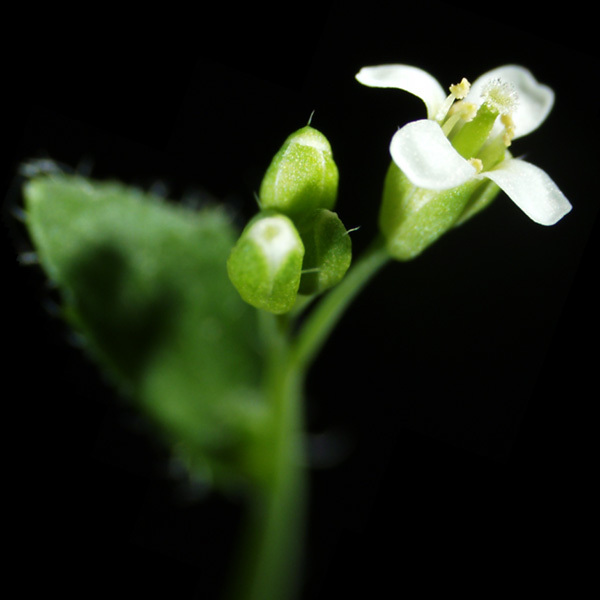
Arabadopsis, “the fruit fly of plants”, is an easy to grow plant system for genetic manipulation. Here, researchers tested the effects of varied light conditions on plants with specific mutations in the light sensing pathways.
Read More...The effects of dysregulated ion channels and vasoconstriction in glioblastoma multiforme
The impact of greenhouse gases, regions, and sectors on future temperature anomaly with the FaIR model
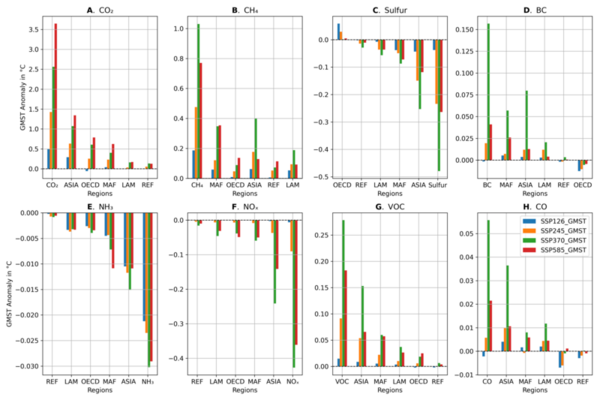
This study explores how different economic sectors, geographic regions, and greenhouse gas types might affect future global mean surface temperature (GMST) anomalies differently from historical patterns. Using the Finite Amplitude Impulse Response (FaIR) model and four Shared Socioeconomic Pathways (SSPs) — SSP126, SSP245, SSP370, and SSP585 — the research reveals that future contributions to GMST anomalies.
Read More...The novel function of PMS2 mutation on ovarian cancer proliferation
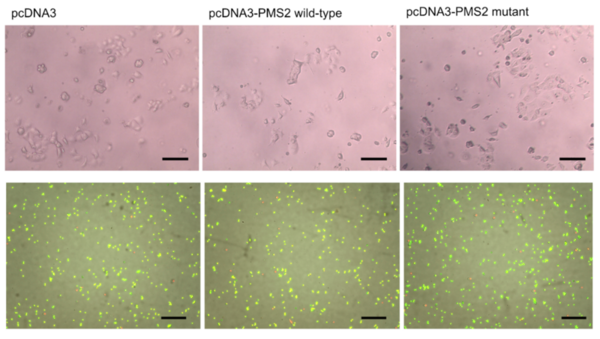
With disruption of DNA repair pathways pertinent to the timeline of cancer, thorough evaluation of mutations relevant to DNA repair proteins is crucial within cancer research. One such mutation includes S815L PMS2 - a mutation that results in significant decrease of DNA repair function by PMS2 protein. While mutation of PMS2 is associated with significantly increased colorectal and endometrial cancer risk, much work is left to do to establish the functional effects of the S815L PMS2 mutation in ovarian cancer progression. In this article, researchers contribute to this essential area of research by uncovering the tumor-progressive effects of the S815L PMS2 mutation in the context of ovarian cancer cell lines.
Read More...A Novel Alzheimer's Disease Therapeutic Model: Attenuating Hyperphosphorylated Tau and Amyloid β (Aβ) Aggregates by Characterizing Antioxidative, Anti-Inflammatory, and Neuroprotective Properties of Natural Extracts
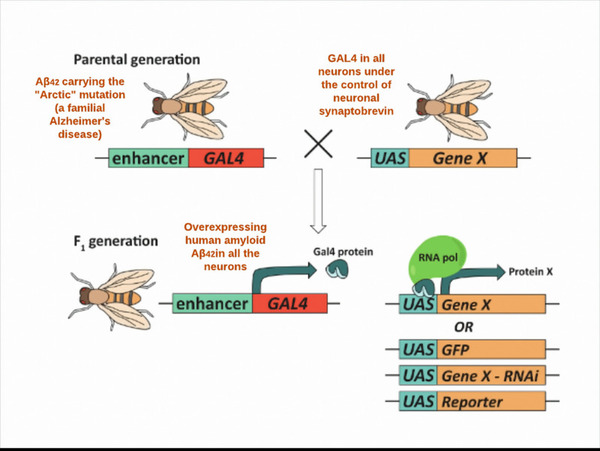
Oxidative damage and neuro-inflammation were the key pathways implicated in the pathogenesis of Alzheimer’s disease. In this study, 30 natural extracts from plant roots and leaves with extensive anti-inflammatory and anti-oxidative properties were consumed by Drosophila melanogaster. Several assays were performed to evaluate the efficacy of these combinational extracts on delaying the progression of Alzheimer’s disease. The experimental group showed increased motor activity, improved associative memory, and decreased lifespan decline relative to the control group.
Read More...CDK7 inhibition disrupts androgen signaling and induces metabolic rewiring in prostate cancer cells
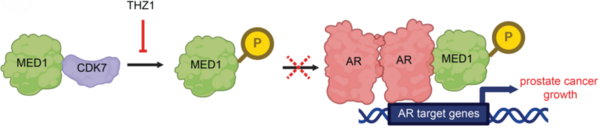
The authors used RNA-seq datasets to assess the effect of CDK7 inhibition on transcriptional pathways in castration-resistant prostate cancer cells.
Read More...Elucidating the Genotoxicity of Synthetic Food Preservatives with the SOS Chromotest
.jpg)
Evidence suggests certain food preservatives may be genotoxic due to their ability to impair normal cellular pathways. The authors investigated the genotoxic potential and effects of commonly used synthetic food preservatives, specifically sodium nitrite, potassium sulfate, and hydrogen peroxide.
Read More...Multi-omic analysis identifies mitochondrial dysfunction as a key feature of hypertrophic cardiomyopathy
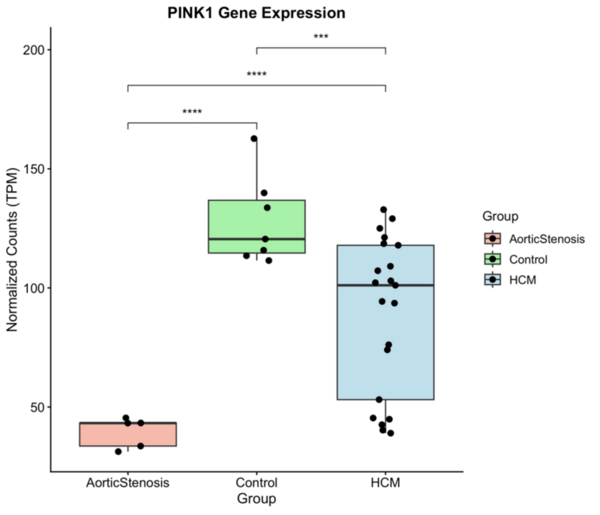
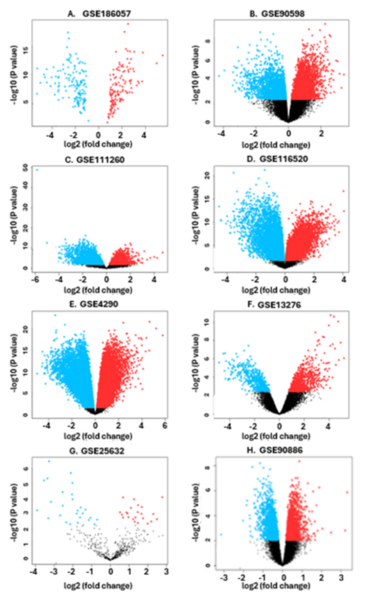
This study used multi-omic analysis to investigate gene expression and DNA methylation patterns associated with hypertrophic cardiomyopathy (HCM). The researchers found significant downregulation of mitochondrial and energy-related pathways, highlighting mitochondrial dysfunction—particularly altered PINK1 expression—as a potential contributor and therapeutic target in HCM.
Read More...