Browse Articles

Inhibiting the ERK pathway and the TRPM7 ion channel in gastric and bladder cancer cells

Yang et al. | Oct 14, 2021

Inhibiting the ERK pathway and the TRPM7 ion channel in gastric and bladder cancer cells

In this work the authors investigate new possible treatment methods for gastric and bladder cancers. They specifically targeted the transient receptor potential cation subfamily M member 7 (TRPM7), an ion channel that plays an important role in the survival of both of these cancers, and extracellular regulated kinases (ERKs),which contributes to the carcinogenesis of many cancers including gastric cancer. As a result, the authors consider the effects of Ginsenoside Rd, NS8593, curcumin, and icariin , known to inhibit TRPM7 and ERK. The authors found that these treatments decrease proliferation and induce apoptosis in studies of gastric and bladder cancer cells.

Read More...
Down-regulation of CD44 inhibits Wnt/β-catenin mediated cancer cell migration and invasion in gastric cancer

Baek et al. | May 10, 2021

Down-regulation of CD44 inhibits Wnt/β-catenin mediated cancer cell migration and invasion  in gastric cancer

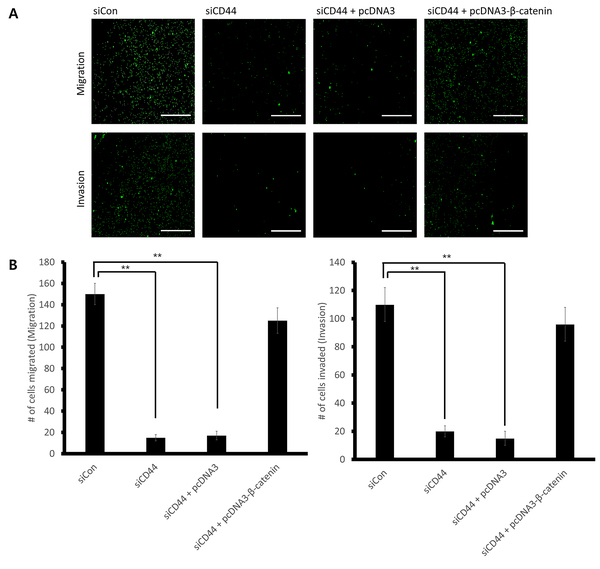
In this study, we aimed to characterize CD44-mediated regulation of the Wnt/β-catenin signaling pathway, which promotes cancer invasion and metastasis. We hypothesized that CD44 down-regulation will inhibit gastric cancer cell migration and invasion by leading to down-regulation of Wnt/β-catenin signaling. We found that CD44 up-regulation was significantly related to poor prognosis in gastric cancer patients. We demonstrated the CD44 down-regulation decreased β-catenin protein expression level. Our results suggest that CD44 down-regulation inhibits cell migration and invasion by down-regulating β-catenin expression level.

Read More...

pH-dependent drug interactions with acid reducing agents

Lin et al. | Nov 12, 2024

pH-dependent drug interactions with acid reducing agents
Image credit: The authors

Some cancer treatments lose efficacy when combined with treatments for excessive stomach acid, due to the changes in the stomach environment caused by the stomach acid treatments. Lin and Lin investigate information on oral cancer drugs to see what information is available on interactions of these drugs.

Read More...